
Preparing for Your Colonoscopy: A Brief Guide and What to Expect
Understanding the Process and Anticipating Your Colonoscopy Experience


If you've been told by your doctor that it's time for a colonoscopy, it's natural to feel a mix of emotions—nervousness, uncertainty, and perhaps a touch of dread. The word "colonoscopy" often conjures up visions of hospital gowns and cold examination rooms, but the reality is that this procedure is one of the most effective ways to detect and even prevent colon cancer, one of the leading causes of cancer-related deaths.
This guide is designed to demystify the colonoscopy process, breaking down everything you need to know, from the initial prep to the recovery period.
Understanding the Why: The Role of Colonoscopy in Your Health
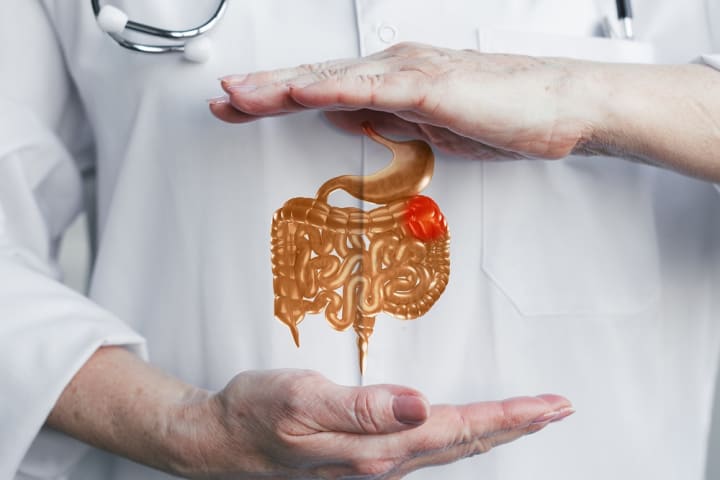
First, let's address the most common question—why is a colonoscopy necessary? A colonoscopy is a crucial tool in the prevention and early detection of colorectal cancer. During this exam, a healthcare professional will use a long, flexible tube with a camera to view the inner lining of your large intestine (colon) and rectum. Gastroenterology in Virginia Beach can identify precancerous growths, or polyps, which can be removed before they turn into cancer. For those with a family history or other risk factors, regular colonoscopies can be a lifesaver, quite literally.
Who Needs a Colonoscopy?
Age Recommendations: In general, screening colonoscopies is recommended for individuals aged 45-75, although this age range may vary depending on your risk profile.
Family History: Those with a family history of colon cancer or certain genetic conditions may need to start screening earlier and have more frequent procedures.
Previous Colorectal Issues: If you've had polyps before or a personal history of ulcerative colitis, your doctor may recommend colonoscopies at shorter intervals.
Preparing for Your Procedure: The Dreaded Colonoscopy Prep
The colonoscopy prep, notorious for being the least favorite part of the experience, begins a few days before your procedure. A successful prep is essential for accurate results as it requires a thorough cleansing of the colon. Your healthcare provider will provide detailed instructions, but the basic prep involves following a special diet and taking a prescribed laxative to clear your system.
Making the Prep More Manageable
Eat Light: A few days before your procedure, switch to a low-residue diet. This means avoiding foods that are hard to digest, such as raw fruits and vegetables, nuts, and seeds.
Stay Hydrated: Clear, non-red liquids are your best friends during the fasting period. Dehydration can make the laxative component of your prep less effective and leave you feeling worse overall.
Plan Your Prep Day: Clear your schedule for the day of the prep. You will likely need to be near a bathroom, and the process can be time-consuming.
The Day of the Procedure: What to Expect
On the day of your colorectal cancer screening, you will typically check in to a hospital or outpatient facility. The procedure itself is relatively quick, usually taking about 30 minutes to an hour, though you will likely spend more time at the facility due to pre-and post-procedure care.
The Colonoscopy Process
Check-In: You'll start the day by checking in, filling out any necessary paperwork, and getting settled.
Anesthesia: Most often, you'll receive sedation to make you feel drowsy and relaxed. In some cases, general anesthesia is used.
The Procedure: You will lie on your side as the colonoscope is inserted and guided through your large intestine.
Polyp Removal: If your doctor finds any small polyps, they can be removed during the procedure and sent for testing.
Recovering: After the procedure, you'll be monitored until the sedation wears off. You'll need someone to drive you home due to the sedatives.
Coping with Post-Colonoscopy Discomfort
It's normal to experience some discomfort after a colonoscopy, but this should subside within hours. You may experience bloating or cramping, and in some cases, a small amount of bleeding, especially if you had polyps removed.
What Helps Post-Colonoscopy
Rest: Give yourself time to rest and recover.
Monitor for Complications: While rare, it's important to watch for signs of complications, such as severe abdominal pain, fever, or rectal bleeding.
Resume Activities Gradually: There's no rush to jump back into your normal routine. Ease back in as you feel ready.
Follow-Up: You will receive the results of your colonoscopy, and your doctor will advise on any necessary follow-up or next steps.
Overcoming Colonoscopy Anxiety: Proactive Tips
Anxiety about a colonoscopy is very common and entirely understandable. Here are some proactive tips to help manage anxiety:
Discussion with Your Doctor
If there is a specific aspect of the procedure that worries you, talk it over with your doctor. Knowing exactly what to expect can alleviate concerns.
Techniques for Calming the Mind
Before the procedure date, take up calming activities such as meditation, deep breathing exercises, or yoga to reduce overall anxiety levels.
Support System
It can be helpful to have a friend or family member come along to your appointment to offer emotional support and help with logistics.
Conclusion: The Importance of Colonoscopy and its Impact on Your Health
A colonoscopy is a vital part of maintaining your health, especially when it comes to colorectal cancer, which can be greatly affected by early detection. While the preparation and temporary discomfort may seem daunting, the peace of mind and potential preventive measures it offers are invaluable.
Remember, you are taking an essential step in your well-being, and if you have any questions or concerns, the Gastroenterology Associates of Tidewater team is here to guide you through the process. The road to recovery from a colonoscopy is smooth, and with a colonoscopy in Virginia Beach, you can keep colorectal health as a priority for a long and fulfilling life.
About the Creator
Erika Phillips
Erika Phillips, a dedicated Health content writer, crafts heartfelt, insightful articles. Passionate about the power of knowledge, she simplifies complex health topics, empowering readers to take charge of their well-being.
Keep reading
More stories from Erika Phillips and writers in 01 and other communities.
A Comprehensive Guide to Colorectal Cancer Staging and Treatment
Colorectal or Colon cancer grows when polyps develop in the colon's inner lining. Healthcare experts determine it with the help of screening tests. Determining cancer ensures effective treatment and complete removal of the cancerous elements. Hence, the treatment is performed at different stages depending on how much the cancer has spread.
By Erika Phillips 3 years ago in Blush
How AI SEO Can Transform Your Service-Based Business
If you’ve recently spoken to an AI SEO Agency or even explored working with a Technical SEO Agency London, chances are you’ve heard the phrase “AI-driven search” more than once. And honestly, it’s not hype. The way people search and the way search engines respond has changed massively.
By seoBusinessa day ago in 01
How Responsive Design Boosts E-Commerce Sales and Conversions
In today’s e-commerce landscape, shoppers make decisions in seconds. They land on a website, scroll once or twice, and instantly decide whether to stay or leave. That decision is rarely based on product quality alone. More often, it comes down to how easy the site feels to use, especially on a mobile device.
By Henry Davids3 days ago in 01




Comments