
Understanding Retaining Wall Repair in Palm Bay
Retaining Wall Repair in Palm Bay

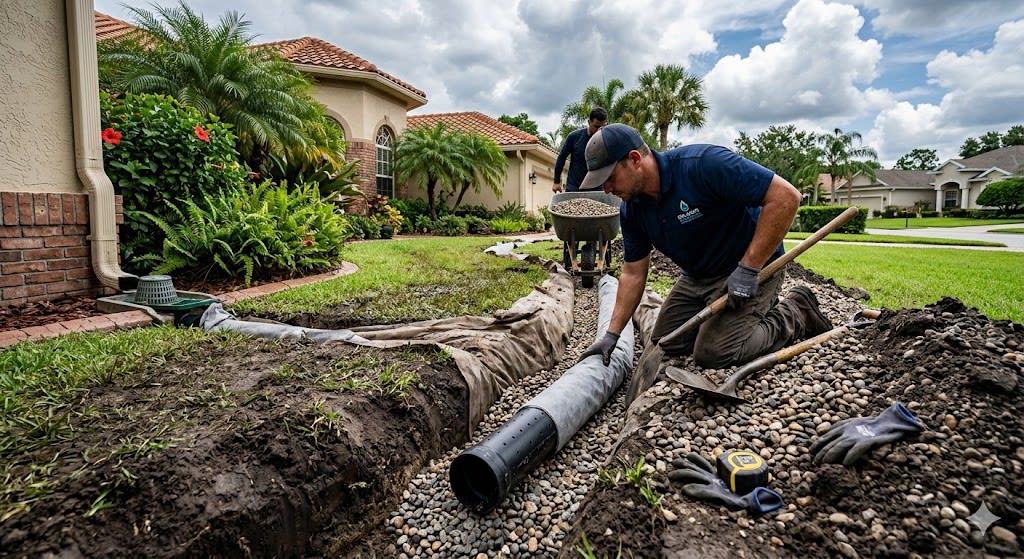
xRetaining walls play an important role in stabilizing sloped landscapes, preventing soil erosion, and shaping outdoor spaces. In areas like Palm Bay, where heavy rainfall and shifting soil conditions are common, retaining walls are often necessary to protect both residential and commercial properties.
Over time, however, even well-built walls can develop structural issues. Understanding the causes of damage and the available repair options can help property owners address problems early and avoid larger complications later.
Why Retaining Walls Experience Problems
Retaining walls are designed to hold back soil and manage pressure from behind. When conditions change, stress on the structure increases. In Palm Bay, several environmental and construction-related factors contribute to wear and deterioration.
Soil Movement
Florida’s soil composition can shift due to moisture changes. Extended rainfall or improper compaction may cause the ground behind a retaining wall to expand or settle, placing uneven pressure on the structure.
Hydrostatic Pressure
Water accumulation behind a wall increases hydrostatic pressure. Without proper drainage systems, this pressure can push the wall outward, causing cracks or leaning.
Inadequate Drainage Design
Many retaining wall failures stem from insufficient drainage. If water cannot escape efficiently, the wall absorbs more force than it was designed to handle.
Age and Material Wear
Concrete, brick, timber, and stone walls naturally degrade over time. Exposure to moisture, sun, and temperature variation can weaken materials, especially if maintenance has been limited.
Understanding these factors helps explain why retaining wall repair in Palm Bay is often related to drainage and soil management rather than just visible surface damage.
Common Warning Signs of Structural Issues
Early identification can prevent full wall replacement. Property owners should watch for:
- Horizontal or stair-step cracks
- Bowing or bulging sections
- Leaning or tilting walls
- Separation between wall segments
- Soil erosion near the base
- Water pooling behind or around the structure
These signs typically indicate increasing pressure or shifting support beneath the wall.
Types of Retaining Wall Repairs
The appropriate repair method depends on the extent of the damage and the wall’s construction type.
Crack and Surface Repairs
Minor cracks in concrete or masonry walls can sometimes be repaired using specialized fillers or sealants. Addressing small cracks early prevents moisture from entering and expanding the damage.
Structural Reinforcement
If a wall shows bowing or pressure-related movement, reinforcement methods may be required. These can include installing anchors, tiebacks, or geogrid systems to redistribute soil pressure more effectively.
Realignment or Partial Rebuilding
In cases where a wall is significantly leaning, sections may need to be removed and rebuilt. Realignment often includes correcting soil compaction and drainage issues before reconstruction.
Drainage Improvements
Many retaining wall repair projects in Palm Bay involve improving water management. This may include adding:
- Perforated drainage pipes
- Gravel backfill
- Weep holes
- Surface grading adjustments
Correct drainage reduces hydrostatic pressure and improves long-term stability.
Why Drainage Is Critical in Palm Bay
Palm Bay's seasonal rainfall patterns make drainage one of the most important aspects of retaining wall design. When heavy storms occur, water saturation increases soil weight and pressure against the wall.
Without a path for water to escape, pressure builds rapidly. Over time, this can result in cracking, shifting, or structural failure. Proper drainage planning during repairs is often as important as reinforcing the wall itself.
Professional Assessment vs. Minor DIY Repairs
While surface-level cracks may seem manageable, structural movement often involves deeper soil or foundation concerns.
Minor cosmetic fixes may temporarily improve appearance but fail to address underlying pressure issues. For walls that are leaning, separating, or experiencing consistent drainage problems, a thorough structural assessment is typically necessary.
Retaining wall repair in Palm Bay often requires evaluating:
- Soil stability
- Drainage flow patterns
- Load distribution
- Foundation integrity
Addressing only visible damage without correcting these factors may result in recurring problems.
Long-Term Benefits of Timely Repair
Responding early to structural concerns provides several long-term advantages.
Improved Safety
A failing retaining wall can collapse unexpectedly, posing risks to landscaping, driveways, patios, or nearby structures. Timely repair reduces potential hazards.
Preservation of Property Value
Well-maintained outdoor structures contribute to overall property condition. Structural issues left unaddressed can negatively affect resale value.
Cost Management
Repairing minor structural damage is generally less expensive than replacing an entire wall. Early intervention often prevents large-scale reconstruction.
Landscape Protection
Retaining walls are designed to control soil and erosion. When they fail, surrounding landscaping can be damaged quickly.
Preventative Measures for Wall Longevity
After repairs are completed, ongoing maintenance helps extend the lifespan of the structure.
Monitor Drainage Systems
Ensure that weep holes, drainage pipes, and grading remain clear of debris.
Inspect After Heavy Rainfall
Check for new cracks, soil displacement, or signs of leaning following storms.
Manage Vegetation
Large tree roots near retaining walls can increase pressure over time. Strategic landscaping reduces structural stress.
Maintain Proper Grading
Soil should slope away from the wall to prevent standing water accumulation.
Consistent monitoring allows small adjustments before major structural damage develops.
Final Thoughts
Retaining walls serve both structural and aesthetic purposes in Palm Bay properties. Over time, environmental conditions, soil movement, and drainage challenges can impact their stability.
Understanding the causes of damage, recognizing early warning signs, and addressing issues with appropriate repair methods can significantly extend a wall’s lifespan. Many retaining wall repair projects in Palm Bay focus on correcting drainage and reinforcing structural integrity rather than complete replacement.
By taking a proactive approach and maintaining proper water management, property owners can preserve both safety and landscape design for years to come
About the Creator
Abbasi Publisher
I’m a dedicated writer crafting clear, original, and value-driven content on business, digital media, and real-world topics. I focus on research, authenticity, and impact through words
Keep reading
More stories from Abbasi Publisher and writers in Writers and other communities.
Understanding Epoxy Flooring in Salt Lake City Homes and Businesses
Flooring plays a central role in how a space functions and feels. In recent years, epoxy flooring has become increasingly common in residential and commercial properties throughout Salt Lake City. Known for its durability and clean appearance, epoxy is often chosen for areas that require both strength and visual appeal.
By Abbasi Publisher2 days ago in Writers
Unofficial Challenge: Black History Celebration
Forward: February 28th, 10:53 PM, EST... The final hour of Black History Month, 2026. Hello fellow writers. I've had this challenge waiting in my drafts for most of the month. But I held off on publishing it, until now.
By Sam Spinelli4 days ago in Writers
Why Golf Is a Powerful Teacher of Emotional Stability
Golf is one of the few sports where the greatest battle takes place not against an opponent, but within the mind. Each round requires patience, discipline, and a calm response to unpredictable challenges. The quiet environment, long pauses between shots, and high degree of precision expose a player’s emotional patterns more clearly than almost any other activity.
By Jeb Kratzig3 days ago in Writers


Comments
There are no comments for this story
Be the first to respond and start the conversation.