
Top Factors That Justify Paying Over $ 25,000 for an Automatic Mixer in Ghana
Paying Over $ 25,000 for an Automatic Mixer in Ghana

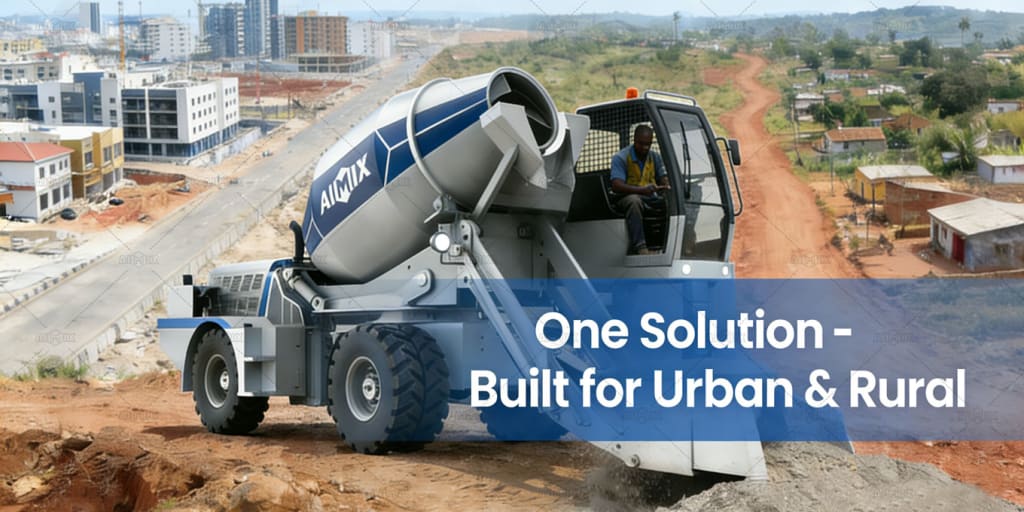
In the bustling commercial bakeries and industrial food processing hubs of Accra, Kumasi, and Takoradi, the rhythmic hum of machinery is the heartbeat of production. For the discerning entrepreneur, the decision to invest in capital equipment is never taken lightly. When confronted with a price tag surpassing $25,000 for an automatic self loading cement mixer, the initial reaction for many is often sticker shock. However, within the Ghanaian market—a landscape defined by unique logistical challenges, infrastructural peculiarities, and a demand for high-volume output—this figure is not merely a cost but a significant investment in operational sovereignty. The chasm between a standard mixer and a top-tier automatic model is not simply about mixing dough; it is about engineering resilience, ensuring consistency, and future-proofing a business against the wear and tear of relentless commercial use. To comprehend the justification for such a substantial financial outlay, one must dissect the anatomy of these machines and their specific interaction with the local commercial environment.
The Metallurgy of Endurance: Built for the Tropics and High Throughput
The primary justification for a mixer’s exorbitant cost lies in the tangible, physical substance of the machine itself. We are not discussing the lightweight alloys found in domestic appliances; we are examining industrial-grade metallurgy. High-premium automatic mixers utilize significantly thicker gauge stainless steel for the bowl, frame, and attachments. This robustness is not accidental; it is a calculated response to the physics of kneading stiff doughs like those required for traditional Ghanaian bread, which can exert immense torque on the machinery.
Corrosion Resistance in Humid Climates
Ghana’s coastal humidity presents a formidable adversary to electronic components and ferrous metals. A mixer priced under the $25,000 threshold often cuts corners by utilizing steel with a lower nickel content, which is more susceptible to pitting and rust when exposed to constant moisture. Premium manufacturers, conversely, employ austenitic stainless steel (such as 304 or 316 grade) for all food-contact surfaces. This metallurgical choice provides a sacrosanct barrier against corrosion, ensuring that the machine’s structural integrity remains uncompromised for decades, not years.
Gearing Systems and Thermal Management
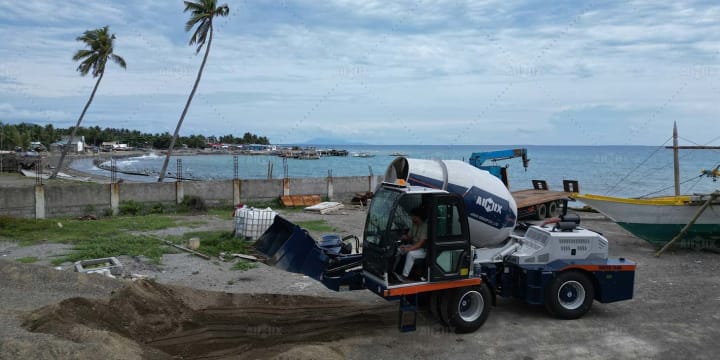
Beneath the sleek exterior lies the gearbox—the true determinant of a mixer's longevity. Inexpensive units often feature aluminum housings and nylon or sintered metal gears that degrade under sustained load. A $25,000+ machine invariably boasts a fully cast-iron gearbox with precision-cut, hardened steel gears running in an oil bath. This configuration is imperative for dissipating the intense frictional heat generated during extended mixing cycles. Without superior thermal management, a machine will seize or strip gears mid-production, leading to costly downtime that quickly eclipses the initial savings of a cheaper model.
Operational Fidelity and Throughput Maximization
Beyond mere construction, the justification for a premium outlay is cemented in the machine's performance fidelity. In the Ghanaian market, where electricity supply can be capricious and demand spikes are common, an automatic large concrete mixer must act as a stabilizing force, not a variable. The electronic architecture of these high-end machines is designed to maintain rigorous consistency, ensuring that every batch leaving the mixer is sensorially identical to the last—a non-negotiable requirement for brand reputation.
Intelligent Variable Frequency Drives (VFDs)
The inclusion of a sophisticated Variable Frequency Drive (VFD) is a hallmark of a superior machine. This component allows for meticulous control over the mixing speed, enabling the operator to fine-tune the shear force applied to the dough. More importantly, a VFD protects the machine from the electrical volatility that can plague the national grid. A premium VFD will smooth out power surges and brownouts, preventing motor burnout. This intelligent power management extends the lifespan of the motor exponentially and provides peace of mind that a sudden power fluctuation will not render a $30,000 asset inert.
Hydraulic Lifting and Automated Discharge
Ergonomics translate directly into profit margins. Manually lifting heavy bowls of dough is a bottleneck that slows production and risks workplace injury. Automatic mixers in this price bracket are equipped with robust hydraulic systems for effortless bowl lifting and tilting. Furthermore, many feature automated discharge chutes that empty the mixed product directly into awaiting troughs or dividers. This mechanization collapses the time between batches, allowing a commercial bakery to potentially double its output within the same operational window. The velocity of production enabled by such automation is a compelling economic argument for the initial investment.
Lifecycle Economics and Supply Chain Pragmatism
The final, and perhaps most compelling, justification resides in the long-term economics of ownership. A lower initial purchase concrete mixer price in Ghana is often illusory, masking a future of exorbitant maintenance costs and operational fragility. In a market like Ghana, where access to specialized spare parts and foreign technicians is not instantaneous, the paradigm of "buy cheap, buy twice" holds particularly true. The premium paid upfront for a high-end automatic mixer is, in essence, an insurance policy against logistical paralysis.
Availability of Spare Parts and Local Serviceability
Reputable manufacturers of high-cost mixers have established, or work through, established distributors in West Africa who stock critical spare parts. When a bearing fails or a seal wears out—which they inevitably will after years of service—the ability to source the component in Tema or Accra rather than waiting weeks for air freight from Europe or Asia is invaluable. These distributors often provide training for local technicians, creating a service ecosystem that surrounds the machine. This local support network dramatically reduces Mean Time To Repair (MTTR), ensuring that a minor fault does not metastasize into a business-stopping crisis.
Residual Value and Technological Obsolescence
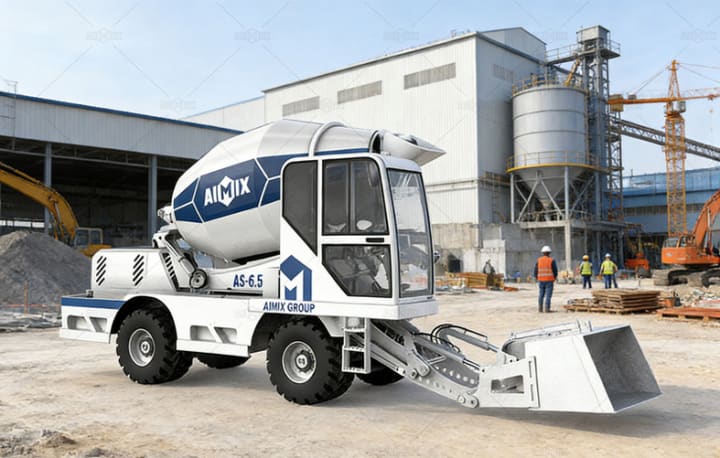
Commercial kitchen equipment depreciates, but top-tier machinery retains a significant portion of its value. A well-maintained automatic mixer from a prestigious German or Italian manufacturer can command a strong resale price on the Ghanaian second-hand market after a decade of service. This residual value acts as a capital recovery mechanism when it is time to upgrade. Conversely, a budget mixer often has a negative value at the end of its life, being worth little more than scrap metal. Furthermore, these premium machines are designed with modularity, allowing for control boards or motors to be upgraded without replacing the entire unit, thereby staving off technological obsolescence.
In conclusion, the decision to allocate over $25,000 for an automatic mixer in Ghana is a strategic choice that prioritizes total cost of ownership over initial expenditure. It is an acknowledgment that in the high-stakes environment of food production, the cost of failure—be it through spoiled batches, electrical fires, or halted production lines—far outweighs the premium for reliability. The investment purchases not just a machine, but a bedrock of metallurgical integrity, operational precision, and supply chain security that collectively empower a business to scale with confidence.
About the Creator
AIMIX
Construction Machine Manufacturer in China. Find Machines here: https://aimixconcretesolution.com/
Difficulties Of Holidays On Vocal
Introduction Last week I had a wonderful week in Alnwick, but tried to keep up on Vocal, although my time was less than I normally have, plus a little more difficult because I was using a ten-year-old laptop with a faulty keyboard (the space bar does not always register, meaning I have to keep going back to separate words).
By Mike Singleton 💜 Mikeydred 4 days ago in Writers
Bomb Scare
It was 2027, and the world never thought it would happen. A missle hit the United States, but it wasn't where they had anticipated. A little town in the northeast was hit by a missile strike, they didn't know why, and they didn't know exactly where it hit, but they did know it was a coastal community, somewhere between Maine and Delaware.
By Gregory Payton6 days ago in Fiction



Comments