
Smart Grid Market: What is It For?
The smart grid market utilizes advanced digital technology and software to manage electricity demand or supply

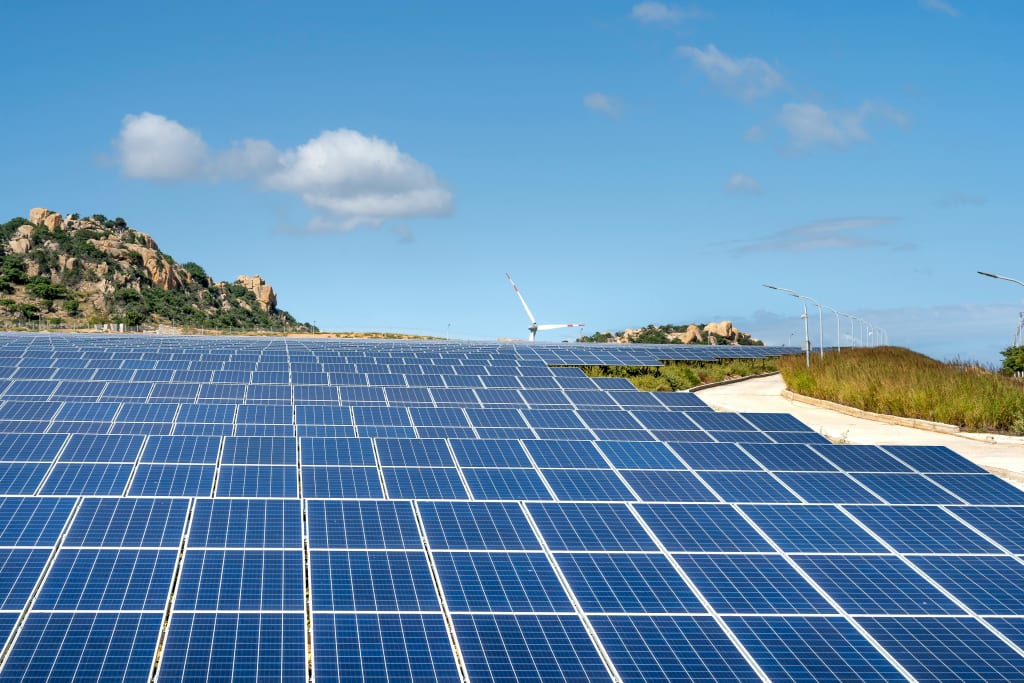
The smart grid market utilizes advanced digital technology and software to manage electricity demand or supply. It basically minimizes expenses while maintaining grid dependability and stability.
The smart grid market is crucial to the energy transition. This significantly involves a rise in electricity need and the broad adoption of variable renewable sources including solar and wind. This further makes smart grids essential for managing this shift.
The Benefits
The smart grid market size keeps expanding around the world as more countries realize its importance.
1. Better integration
Smart grids enable the smooth integration of customer power generation. It allows utility companies to monitor and adjust in real time. Bidirectional communication also provides visibility into distributed energy resources according to the grid conditions.
To put it simply, smart grids let people generate their electricity like with solar panels on their roofs. The power company and the individuals producing the energy can also track electricity production or consumption at any time. This system offers advantages such as better control over electricity use and savings on energy costs.
2. Minimize peak demand
Smart grids help cut down electricity rates by reducing peak energy demand. This can work through demand response systems that incentivize consumers to cut back on usage during peak times. By combining load shifting and grid optimization, it reduces strain. It therefore improves efficiency and dependability while also cutting expenses related to peak demand.
3. More efficient
The IEA supports the idea that smart grids enhance the electricity transmission efficiency by using digital technologies and software. It is therefore able to balance demand and supply in real time. IBM supports smart grid optimization. It also recommends that power companies leverage strategies such as predictive maintenance along with advanced analytics. Automation and energy storage are also important to achieve the greatest benefits.
4. Fast restoration
Its two-way interactive functionality allows for automatic rerouting during equipment failures or outages. It therefore reduces the number and severity of disruptions with the help of automated monitoring or predictive analytics. NEMA explains that smart grids can reduce interruptions during extreme weather events by efficiently handling unplanned outages. This also improves the energy infrastructure restoration post-storm. It thereby minimizes the effects on human life and essential infrastructure.
5. Better security
It strengthens security by implementing robust cybersecurity measures to protest against cyber attacks and illegal access. By modernizing current infrastructure and integrating distributed energy they also reduce vulnerabilities. Smart grids provide enhanced security through advanced monitoring and access controls. It allows real-time anomaly detection and protects sensitive information through encryption.
Yet its vulnerability to various cyber threats highlights the need for strong cybersecurity measures. A multi-layered approach is crucial for reducing security risks and ensuring the ongoing dependability of energy infrastructure.
6. Reduce expenses
It helps utilities lower their operational and management expenses. These savings can subsequently pass on to users. This is due to the resource allocation optimization while enabling remote monitoring. Predictive maintenance also plays a key role. While smart grids may incur some additional costs such as replacing components like smart meters, these minor expenses are outweighed by the broader saving benefits. That includes improved efficiency and the renewable energy integration.
7. Dependable
Another benefit of the smart grid market is its dependability. Smart grids greatly improve grid reliability through real-time monitoring and fault detection. It also has self-healing features that enable quicker responses to issues. It is important to note that smart grid dependability guarantees a continuous power supply by detecting and addressing faults as they occur. Greater reliability not only improves customer satisfaction but also minimizes economic losses. It also promotes higher business productivity.
About the Creator
Mark Twain
I'm dedicated to producing interesting, thoroughly researched articles, and I enjoy turning concepts into expressive language. Together, let's use the storytelling medium to make your vision a reality.
Keep reading
More stories from Mark Twain and writers in Writers and other communities.
LiDAR Drone Market and The Applications
Since their commercialization in the mid-2000s, the rising demand for drones has resulted in a various intriguing application. From aerial imagery to intricate search and rescue operations, drones have become essential tools for hobbyists and businesses globally. The LiDAR drone market development has opened up chances to map areas that were previously inaccessible or challenging to reach.
By Mark Twainabout a year ago in Writers
Unofficial Challenge: What would you do if you were rich?
I love the kind of work I get to do in my career, but as I job search and browse apartments again due to another understaffed and unsustainable work environment that I did not intend to get into, my daydreams of better days consistently lean into the same question: What would I do if I didn't have to worry about my basic needs being met?
By Kay Husnick5 days ago in Writers
What Happens When You Bless Your Day Before It Begins
Most mornings begin without pause. The alarm sounds, the phone lights up, and responsibility arrives before awareness does. Within minutes, attention is scattered. The day begins shaping you before you have chosen how to meet it.
By Shahid Khanabout 14 hours ago in Writers




Comments
There are no comments for this story
Be the first to respond and start the conversation.