
Breaking Barriers: The Dance Between Love and Prejudice
How Connection Triumphs Over Division in the Human Experience
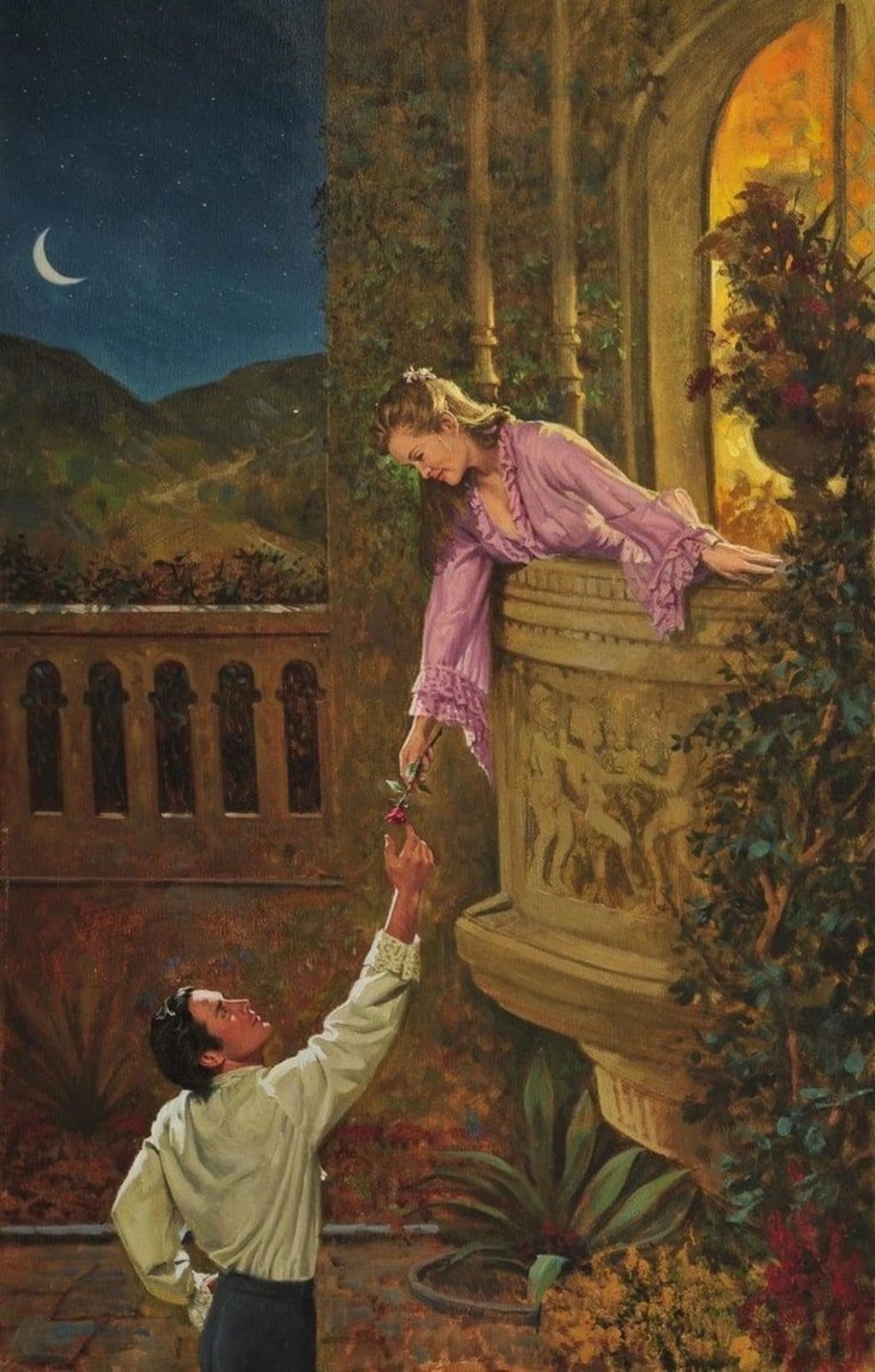
Love and Prejudice: The Everlasting Struggle
Love and prejudice have always been intertwined, creating a complex narrative that defines human relationships and societal dynamics. While love seeks to bridge gaps and foster unity, prejudice erects barriers that challenge its purity and perseverance. Together, they represent a timeless struggle, revealing much about the human condition and our shared journey toward understanding and acceptance.
The Nature of Love
Love, at its core, is a universal language. It transcends boundaries—be they cultural, racial, religious, or socioeconomic. It thrives on empathy, compassion, and the innate human desire to connect. Love is the force that drives families, friendships, and partnerships. It is what makes us vulnerable yet strong, offering hope and belonging in an often fractured world.
However, love is not always free from external influences. It exists within societal frameworks that are shaped by history, power structures, and entrenched biases. This is where prejudice often intrudes, testing the strength and resilience of love.
Understanding Prejudice
Prejudice is a preconceived notion or judgment formed without sufficient knowledge or experience. It manifests in various forms, from racial and cultural biases to gender stereotypes and class distinctions. Prejudice thrives on fear of the unknown and a desire to maintain perceived superiority or power.
In relationships, prejudice can take on subtle or overt forms. It might manifest as societal disapproval of interracial unions, cultural stigma against same-sex relationships, or even family resistance to unions between individuals of different socioeconomic backgrounds. These prejudices not only strain relationships but also perpetuate divisions within communities.
Love vs. Prejudice: A Battle for Connection
When love encounters prejudice, it often faces resistance from both individuals and society. The strength of a loving bond is tested against the weight of societal expectations and deep-seated biases. History is replete with examples of individuals who defied societal norms to pursue love, whether it be interracial couples who braved segregation or same-sex couples who fought for their right to marry.
The famous literary classic Pride and Prejudice by Jane Austen offers a microcosm of this struggle. While the story is set within the framework of class and societal expectations, it ultimately underscores the power of understanding, growth, and mutual respect to overcome prejudice.
The Role of Empathy and Education
Overcoming prejudice requires more than just individual effort—it demands collective change. Education, exposure, and dialogue are powerful tools in dismantling biases. Empathy, in particular, plays a crucial role in bridging divides. When we seek to understand others’ experiences and perspectives, we chip away at the walls that prejudice builds.
Love, in this sense, can act as a catalyst. By fostering understanding and connection, love challenges us to confront our biases and see beyond superficial differences. In the words of Martin Luther King Jr., “Love is the only force capable of transforming an enemy into a friend.”
Conclusion
The battle between love and prejudice is an enduring one, but it is not without hope. Love, when rooted in mutual respect and understanding, has the power to break down the barriers of prejudice. It challenges societal norms, inspires change, and unites people across divides.
In a world often marked by division, the triumph of love over prejudice is a reminder of what humanity is capable of when we choose connection over fear, and understanding over judgment. It is an ongoing struggle, but one that holds the promise of a more inclusive and compassionate world.
About the Creator
Keep reading
More stories from Zainab Olufemi and writers in Writers and other communities.
Laugh It Off: Finding Strength in Humor
The Healing Power of Humor Life is often described as a journey filled with twists, turns, and the occasional pothole. While challenges are inevitable, humor serves as a powerful companion, transforming life’s toughest moments into stories worth telling. More than just a tool for laughter, humor is a lens through which we can find perspective, connection, and healing.
By Zainab Olufemiabout a year ago in Humor
Hassle-Less Guide to Writing a Cover Letter for Any Country Visa Application.
There’s a moment almost every visa applicant hits: you’ve gathered documents, you’ve booked an appointment, you’ve checked your bank statements three times… and then the checklist asks for a cover letter for visa application.
By Kiaren suju6 days ago in Writers
A Gathering of Evil Bosses
“I’m the queen of chin jutting while I smooth my hair, attacking, insulting, and deflecting to protect my appointer.” “Oh, please, Blondi, my hair is curled, highlighted, and longer than yours. I feature television commercials telling immigrants that we will give them a free plane ride home, and if they voluntarily turn themselves in, they will be allowed to legally apply for re-entry. It runs everywhere, and I look good in it! You can’t compete because of your blond hair. Mine is nicer, and my lips are prettier than yours.”
By Andrea Corwin 4 days ago in The Swamp




Comments
There are no comments for this story
Be the first to respond and start the conversation.