
Pros and Cons of Squatted Trucks
What Is a Squatted Truck?

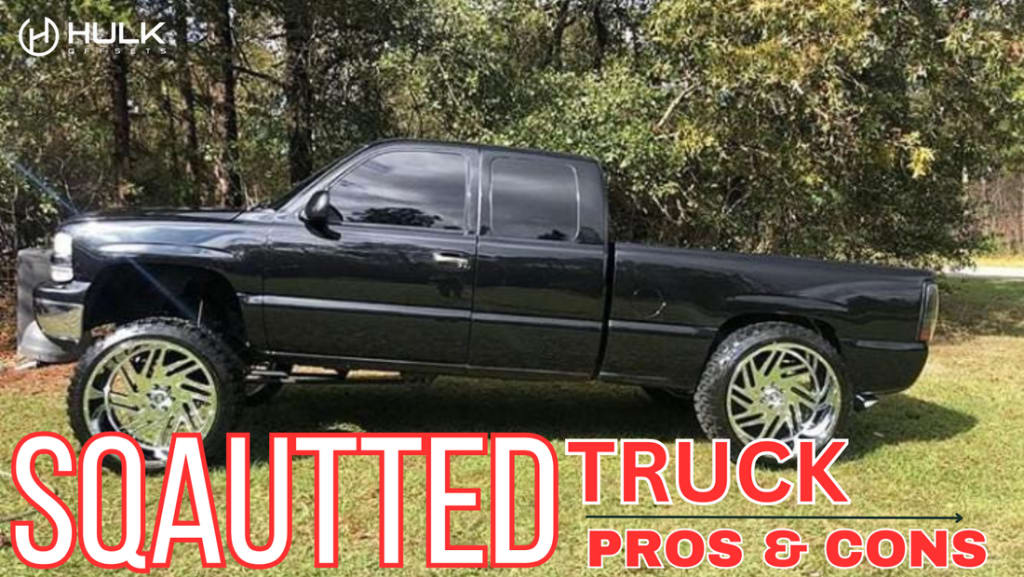
A squatted truck, often called the Carolina Squat, is a modified pickup where the front end is lifted higher than the rear. This creates a nose-up, tail-down stance that looks aggressive and dramatic. The trend became popular in the Southeast United States and quickly spread through truck shows and social media.
Unlike a leveled truck, where the front is raised to match the rear, a squatted setup intentionally tilts the vehicle. The look is inspired partly by desert racing trucks that lift the front to handle jumps. However, on public roads, it’s mostly about appearance. Love it or hate it, the squatted truck definitely grabs attention wherever it goes.
Why Do People Squat Their Trucks?
For many owners, it’s all about standing out. The squatted stance turns an ordinary pickup into something bold and unmistakable. At truck meets, a nose-high build often draws a crowd faster than a stock setup. Social media also plays a big role, with custom builds gaining thousands of views and inspiring others to follow the trend.
Some enthusiasts say the style connects to off-road racing culture, even if most of these trucks never see desert terrain. Others simply enjoy customizing their vehicle to reflect their personality. Like custom wheels or loud exhausts, squatting is a way to make a statement. It’s less about practicality and more about identity.
Pros of Squatted Trucks
There’s no denying that a squatted truck delivers a strong visual impact. For owners who care about style and uniqueness, that alone can be a major benefit. It transforms the truck’s overall presence and makes it look more aggressive.
In certain off-road-inspired builds, lifting the front suspension may provide additional clearance. Some drivers also enjoy the sense of individuality that comes with driving something different from the norm.
While critics focus on practicality, supporters appreciate the bold expression. For enthusiasts who prioritize aesthetics and truck culture over daily usability, the squatted look can feel rewarding and satisfying.
Unique and Aggressive Appearance
A squatted truck stands out instantly. The elevated front and lowered rear create a sharp angle that makes the vehicle look powerful and ready for action. For some, it gives the truck a race-inspired attitude.
This setup also makes builds look dramatic in photos and videos, which is a big reason it’s popular online. At local meets, the style often sparks conversations and debate.
While not everyone likes the look, those who do see it as fearless and bold. In a world full of similar-looking pickups, a squatted stance ensures your truck won’t blend into the background.
Increased Rear Suspension Clearance
One technical advantage sometimes mentioned is added front-end clearance, which can help in specific off-road conditions. When approaching obstacles, the higher front may reduce the risk of scraping.
However, this benefit depends heavily on how the truck is built and used. A properly engineered suspension setup matters far more than appearance alone.
For trucks designed with performance components in mind, adjusting ride height can play a role in handling uneven terrain. Still, this advantage is limited in everyday driving. Most squatted trucks are built for show, not rugged trails, so practical gains may vary.
Customization and Personal Expression
Truck culture thrives on individuality. From lift kits to wheel upgrades, personalization is part of the lifestyle. Squatting takes that customization a step further. It signals confidence and a willingness to break away from traditional builds.
For some owners, the truck represents freedom and self-expression. They enjoy modifying suspension, wheels, and stance to create something that feels unique.
Car enthusiasts often form communities around shared styles, and the squatted look has built its own following. Whether people admire it or criticize it, the build reflects the owner’s personality. In that sense, the value goes beyond function and becomes personal.
Cons of Squatted Trucks
While the style is eye-catching, there are real drawbacks to consider. One of the biggest concerns is reduced forward visibility. When the front sits higher than normal, it can make it harder to see the road clearly.
Handling may also change due to uneven weight distribution. Steering and braking performance can feel different compared to a balanced suspension setup.
Legal restrictions add another layer of complication. Some states have introduced laws limiting extreme suspension angles. Maintenance costs can increase as well, especially if components wear out faster. Before making the modification, it’s important to weigh these practical issues carefully.
Reduced Forward Visibility
When the nose of the truck points upward, the driver’s line of sight shifts. This can make it harder to see smaller vehicles, pedestrians, or obstacles directly ahead. In busy traffic, that reduced visibility becomes a serious concern.
Driving at night or during bad weather may feel even more challenging. The altered angle can affect how headlights illuminate the road.
Even if the difference seems minor at first, safety depends on clear vision. A truck should provide confidence behind the wheel, not uncertainty. For daily drivers, visibility is one of the most important factors to think about.
Handling and Stability Issues
Changing suspension geometry affects how a truck behaves on the road. When the rear sits lower than the front, weight distribution shifts backward. This can influence braking balance and steering response.
At highway speeds, stability matters. A modified stance may increase body movement or reduce overall control during sudden maneuvers.
While experienced builders can minimize these effects with quality parts, the setup still differs from factory design. Manufacturers spend years engineering balanced handling. Altering that balance can introduce unexpected driving characteristics, especially in emergency situations where quick reactions are necessary.
Legal Issues in Certain States
In recent years, several states have addressed extreme suspension modifications. Authorities argue that heavily squatted trucks create safety risks for drivers and others on the road. As a result, some regions now enforce height difference limits.
Violating these regulations can lead to fines, failed inspections, or orders to restore the vehicle to legal standards. Insurance companies may also question coverage if a modification contributes to an accident.
Before making changes, it’s wise to check local transportation laws. Rules vary depending on location, and what’s acceptable in one state might be illegal in another. Staying informed can prevent costly surprises later.
Tire Wear and Suspension Strain
Suspension systems are designed to operate within specific angles. When dramatically altered, components such as control arms and shocks may experience added stress. Over time, this can lead to faster wear.
Tires can also wear unevenly if alignment is affected. Replacing tires more often increases long-term costs.
Even if the truck looks impressive, maintenance becomes part of the equation. Frequent inspections and adjustments may be necessary to keep everything functioning properly. Owners who choose this style should be prepared for possible extra expenses tied to suspension and tire upkeep.
Are Squatted Trucks Legal?
Legality depends largely on where the truck is registered. Some states allow minor suspension differences, while others strictly regulate front-to-rear height variations. Lawmakers focus mainly on safety and visibility concerns.
In areas where restrictions exist, vehicles may need to pass inspections that measure ride height and headlight alignment. Failing these checks can result in penalties or required modifications.
Insurance policies may also include conditions regarding vehicle alterations. If a modification contributes to an accident, claims could become complicated. Before committing to a squatted build, researching local regulations is essential. Knowing the legal landscape helps avoid fines, registration problems, and unnecessary stress.
Safety Concerns of Squatted Trucks
Safety remains the biggest debate surrounding this trend. A vehicle’s design plays a critical role in driver awareness and control. When suspension geometry changes drastically, those characteristics can shift as well.
Reduced visibility, altered braking balance, and different steering feel may all affect driving confidence. In emergency situations, predictable handling can make the difference between avoiding an accident and causing one.
Other drivers may also struggle to interpret the truck’s stance, especially at night if headlights are misaligned. While some builds are carefully engineered, extreme setups raise valid concerns. Prioritizing safety should always come before appearance when modifying any vehicle.
Squatted Trucks vs. Leveled Trucks
A leveled truck raises the front to match the rear, creating a balanced and even stance. This setup often improves appearance without dramatically changing driving dynamics. In contrast, a squatted truck intentionally tilts the vehicle.
Leveled builds tend to maintain factory handling characteristics more closely. They are popular among owners who want a cleaner look while keeping practicality intact.
Squatted trucks focus heavily on bold styling. While both styles modify suspension, their goals differ. One aims for balance, the other for dramatic impact. Choosing between them depends on priorities—visual statement or everyday drivability.
Should You Squat Your Truck?
Before modifying your truck, think about how you actually use it. Is it a daily driver, a weekend showpiece, or a project build? Your answer matters.
Consider long-term costs, possible legal restrictions, and changes in driving comfort. Suspension upgrades require planning and quality parts to avoid unnecessary problems.
It’s also worth asking whether the style will still appeal to you years down the road. Trends come and go, but practicality stays important. If the look truly excites you and you understand the trade-offs, it may feel worthwhile. Just make the decision with clear expectations, not impulse.
Final Verdict: Are Squatted Trucks Worth It?
Squatted trucks spark strong opinions. Supporters admire the bold stance and individuality. Critics point to safety concerns and legal complications. Both sides raise valid points.
If your priority is making a visual statement and participating in truck culture, the squatted look delivers impact. However, if daily usability, comfort, and road safety come first, the downsides deserve serious thought.
Ultimately, the decision comes down to balance. Style always has its place, but it shouldn’t come at the expense of responsibility. Weigh the pros and cons carefully, understand local laws, and build your truck in a way that reflects both passion and common sense.
About the Creator
SEO HUB
I’m a professional Content & SEO Specialist with 3+ years of experience. I provide placements on top-tier USA publications, sites like USAToday.com, ensuring real exposure and SEO value.
WhatsApp: +92 311 6772455
Are Online Car Buyers Better Than Dealership Trade-Ins?
If you are thinking about selling your car, you have probably asked yourself whether you should trade it in at a dealership or sell it to an online car buyer. Both options promise convenience. Both claim competitive offers. But which one actually gives you the better deal?
By Austin Peckabout an hour ago in Wheel
The beast
The beast It was early in the 1970`s and I was the geeky kid at school. You know the one that carried a briefcase instead of backpack. The occasional saving grace that kept me from complete social isolation was my brother. Six years my elder and a biker. He would, when the mood strike him, pick me up outside the gates of my all boys secondary school on his motorbike. This was not just any bike, this was "the beast". A full on cafe racer from the 1960`s These were the days before the Japanese had taken over. Before fiberglass fairings and disc brakes and engines the size and weight of a small house.. A Triumph 110, the precursor to the Bonneville although any resemblance to the factory model had long since past. The 650cc engine had been fitted with 11-1 compression pistons that made kick starting it a risky art form. Twin carbs and a 2 into 1 swept up exhaust. Four leading shoe front brakes that left the front wheel spokes no longer that a large match stick Twin leading shoe brakes on the back and an aluminium 5 gallon fuel tank. Clip-ons and rear sets forced the rider into a near prone position hunkered down with his chest embracing the tank. The whole sight was a vision of black and silver, aluminum and chrome with just one nut on the front wheel painted red as a highlight. Like I said, a classic 60`s cafe racer. Dad said "Son one say that bike will kill you". He could not have been more wrong.
By kelvin matchett4 days ago in Wheel




Comments
There are no comments for this story
Be the first to respond and start the conversation.