
Best Places to Live in Italy as an Expat in 2026-27
Best Places to Live in Italy as an Expat in 2026-27
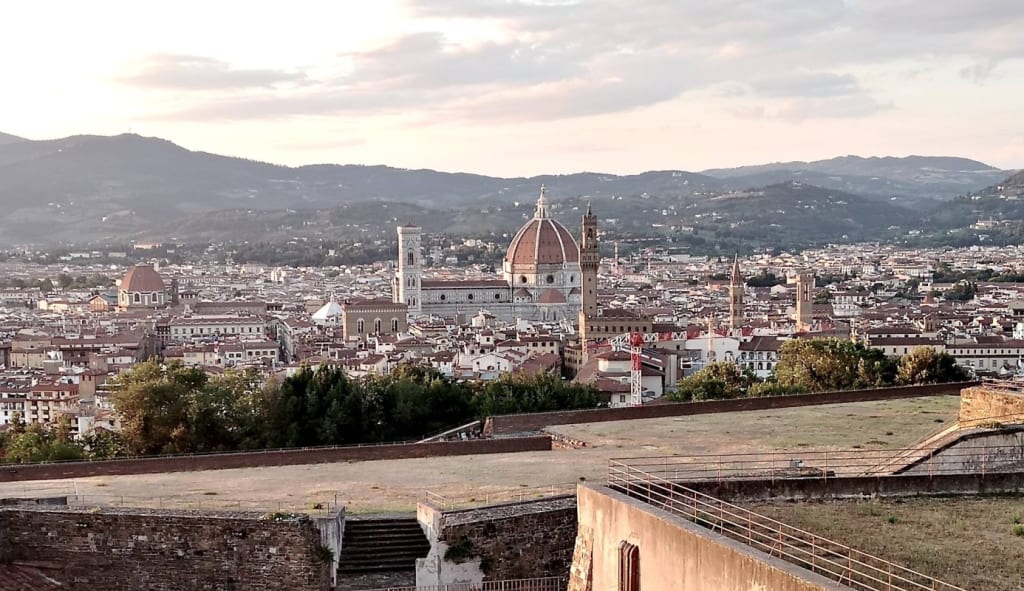
Italy has long attracted expats from around the world. By 2024, over 5.25 million foreign residents live in Italy (about 8.9% of the population). But where do most expats settle, and what regions stand out in 2026–27? This comprehensive guide explores the best regions and cities for expats, highlights where the largest foreign communities are, and even looks at up-and-coming destinations in the South and islands. We’ll also cover three essential steps to take before you move, including obtaining that all-important Italian fiscal code (codice fiscale).
Italy’s Expat Landscape: Where do Foreigners Live?
Concentration in the North
The distribution of foreigners in Italy is uneven, the majority live in the more prosperous North and Center. As of 2020, about 61% of foreign citizens lived in Northern Italy and 24% in Central regions, versus only 10.8% in the South and 3.9% on the islands. This trend continues into 2025: Lombardy, Lazio, and Emilia-Romagna alone account for nearly half of all foreign residents. It’s no surprise, these regions are home to Italy’s biggest economic hubs (Milan, Rome, Bologna) and offer more job opportunities and services for expats. By contrast, southern regions have historically seen fewer expats, though their numbers are now slowly growing.
Top Regions by Foreign Population: The table below shows the top 10 regions by number of foreign residents (as of January 2024), which gives an idea of where expat communities are strongest:
Region Foreign Residents % of All Foreigners Foreigners as % of Region Population
Lombardy (NW) 1,203,138 22.9% 12.0%
Lazio (Central) 643,312 12.2% 11.3%
Emilia-Romagna (NE) 560,953 10.7% 12.6%
Veneto (NE) 501,161 9.5% 10.3%
Piedmont (NW) 428,905 8.2% 10.1%
Tuscany (Central) 424,066 8.1% 11.6%
Campania (South) 263,680 5.0% 4.7%
Sicily (Island) 196,919 3.7% 4.1%
Liguria (NW) 155,646 3.0% 10.3%
Puglia (Apulia) (South) 147,269 2.8% 3.8%
Source: ISTAT data for 2024 foreign resident population.
As shown, Lombardy (the region of Milan) has by far the largest expat/foreign population, over 1.2 million, roughly 23% of all foreigners in Italy. Next is Lazio (Rome) with ~643k (12%), followed by Emilia-Romagna (560k, 10.7%). Veneto, Piedmont, and Tuscany each host around 400–500k foreign residents (8–9% of the total). In these northern and central regions, foreigners typically make up around 10–12% of the local population, indicating well-established international communities. By contrast, a huge region like Campania (which includes Naples) has only ~264k foreign residents (5% of Italy’s total, and under 5% of Campania’s population). Sicily and Puglia likewise each account for under 4% of Italy’s foreign populace. This doesn’t mean South and island regions aren’t welcoming, just that historically fewer expats settled there.
However, the landscape is evolving. Recent data shows foreign resident numbers rising fastest in some southern areas like Sardinia. Many expats are beginning to look beyond the usual northern hubs, drawn by the South’s lower costs and sun-soaked lifestyle.
Top Expat Destinations in Northern and Central Italy
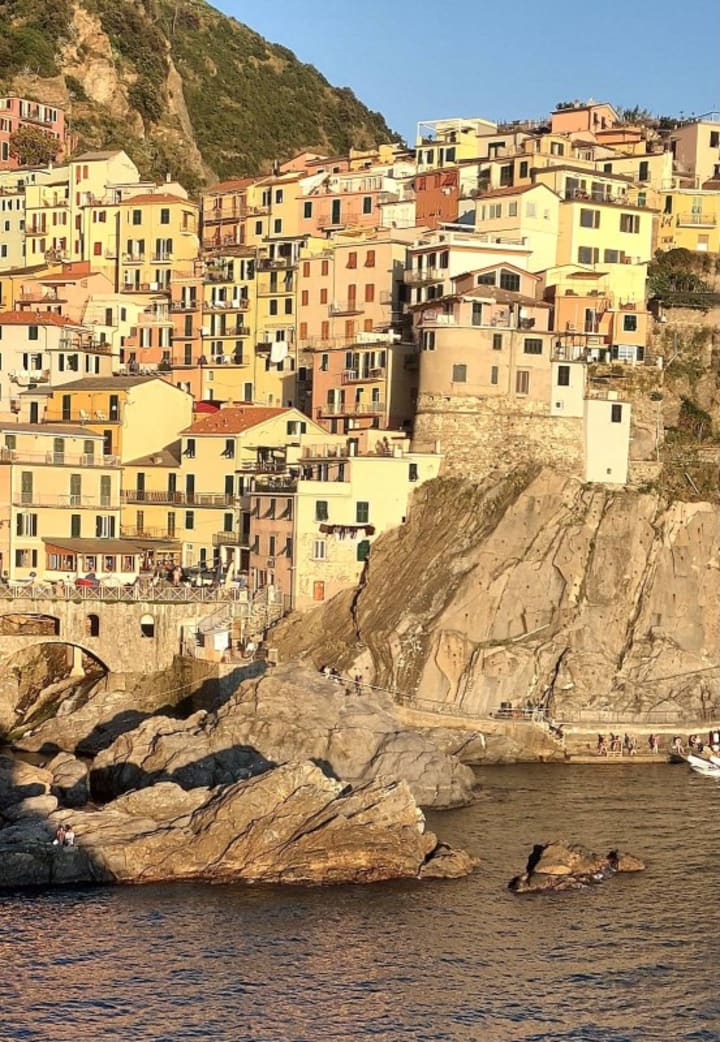
Northern and Central boasts the highest incomes and services, along with many international companies, universities, and English-speaking communities. Here are some of the most popular cities and regions for expats in 2026–27:
Rome (Lazio)
Italy’s capital and largest city offers a blend of timeless history and a cosmopolitan lifestyle. Expats are drawn to Rome for its rich culture and the presence of many international organizations and embassies. The city has a sizable English-speaking expat community and plenty of professional opportunities, especially in tourism, education, and services. Do note that Rome is one of the pricier places to live in Italy, a single person’s total monthly expenses easily range €2,100–€2,500 including rent, and a one-bedroom apartment in the city center costs around €1,000–€1,500 per month. In return, you enjoy an unparalleled setting of ancient monuments (the Colosseum, Pantheon, etc.), endless museums, vibrant piazzas and parks, and a lively social scene. Rome suits professionals, digital nomads, and history enthusiasts alike, anyone who doesn’t mind some big-city chaos in exchange for “la dolce vita” in the Eternal City.
Milan (Lombardy)
Modern, wealthy, and international, Milan is Italy’s financial hub and a top choice for career-oriented expats. The city is famous for fashion and design, banking and tech industries, and it hosts many multinational companies. Milan has a distinctly cosmopolitan feel and a large international community, making it relatively easy for newcomers to integrate. English is commonly spoken in professional settings here. The downside is cost: Milan consistently ranks as one of the most expensive Italian cities. A single person might spend about €1,000+ monthly before rent, and renting a one-bedroom in the central areas costs roughly €1,200–€1,600 per month. On the plus side, salaries tend to be higher, and the city offers world-class shopping, dining, arts (La Scala opera, Da Vinci’s Last Supper), nightlife, and efficient transport links. Milan is ideal for young professionals, entrepreneurs, and anyone who loves fast-paced city life with a European flair.
Bologna (Emilia-Romagna)
Known for its excellent quality of life, Bologna is a medium-sized city with a big reputation among expats and students. Home to the world’s oldest university, it has a vibrant student population and a welcoming atmosphere for foreigners. Many locals speak some English (thanks to the university influence), and the city’s size is very manageable, you can walk under its famous porticoed sidewalks or bike across town easily. Bologna offers a mix of medieval charm and modern innovation, with strong industries in food, automotive, and academia. Importantly, it’s more affordable than Rome or Milan: a single person’s monthly expenses (excluding rent) average around €800 in Bologna, and a one-bedroom downtown rents for about €850–€1,000. Families appreciate the good schools and services, while foodies love that Bologna is Italy’s gastronomic capital (famed for tortellini, ragù, and parmesan cheese!). This city in Emilia-Romagna is ideal for students, families, and anyone seeking a balanced, community-oriented lifestyle with plenty of cultural events year-round.
Florence (Tuscany)
For those enamored with art, culture, and a slower pace, Florence is a top pick. This Renaissance jewel is great for retirees, creatives, and culture enthusiasts who want a beautiful and human-scaled city. Florence offers an inspiring setting, from Michelangelo’s David to the Uffizi Gallery, and a relaxed daily rhythm surrounded by art and history. The expat community here includes many Americans and Europeans (some retirees, some digital workers) drawn to Tuscany’s lifestyle. The city is generally safe, with plenty of parks, cafes, and local markets. Cost of living is moderate-to-high; a single person spends around €800 a month besides rent, and monolocale in the center goes for €900–€1,200 monthly. Houses for sale here are not so many, but true connoisseurs consider them to be the best options in the peninsula. That said, many expats find it worth the price to wake up in a city of stunning architecture and Tuscan charm. Florence’s central location also makes it easy to explore the rest of Italy. It’s an excellent choice if you value art, wine, and a relaxed lifestyle (and don’t mind ample tourists).
Turin (Piedmont)
Often overlooked, Turin (Torino) is one of Italy’s best-kept secrets for expats. This northern city offers an affordable, family-friendly urban environment with a rich cultural scene. Once Italy’s royal capital, Turin is elegant and green, filled with cafes, museums, and Baroque architecture, often likened to Paris or Vienna in atmosphere. It’s also a major center for the automotive and tech industries (home to Fiat and growing start-ups), so there are jobs for skilled expats. Living costs in Turin are significantly lower than in Milan or Rome: for example, renting a decent one-bedroom apartment can cost ~€600–€700 in the center. Overall consumer prices are about 15–20% lower than Milan. The city provides excellent public services, healthcare, and transport, and it’s close to the Alps (great for weekend skiing or hiking). Turin’s population isn’t as international as Rome/Milan, but it’s growing, and those who come appreciate the high quality of life at a reasonable price. This makes Turin ideal for families, professionals seeking value, or students (it hosts major universities) who want an authentic Italian city experience.
Lake Como & Northern Lakes (Lombardy)
Not a city, but worth mentioning, Italy’s northern lake districts (Como, Garda, Maggiore) are hugely popular among expat retirees and second-home seekers. In particular, Lake Como offers quiet, stunning scenery with the convenience of Milan less than an hour away. Picturesque towns like Bellagio, Menaggio, and Varenna provide a peaceful, luxury lifestyle, imagine lakeside villas, mountain views, and leisurely ferry rides across the lake. This area is perfect for those with flexible incomes (remote workers or retirees) who want a tranquil base. Note that due to high demand from tourists and wealthy buyers, housing in prime lake towns can be pricey, rents for a lake-view apartment can exceed €1,200 a month in hotspots, though smaller towns or those further from the water are more affordable. The payoff is a lifestyle of fresh air, outdoor activities (sailing, hiking), and la dolce vita in one of the world’s most beautiful settings. If you seek a quieter life but with access to Milan’s infrastructure, Lake Como and its region offer the best of both worlds.
Other notable mentions
Beyond these, expats also thrive in Parma (Emilia-Romagna), a smaller city famed for food and music with a peaceful, family-friendly vibe, and Trieste (Friuli-Venezia Giulia), a northern coastal city with Mitteleuropean flair and a sizable international science community. Padua and Verona in the Veneto region offer rich culture and moderate living costs, while Lucca, Pisa or Arezzo in Tuscany attract those who prefer charming smaller towns. In short, Northern and Central Italy provide a spectrum of options, whether you want big-city excitement or a quaint cultural town, all with well-established infrastructure for expats.
Southern and Island Cities: Emerging Expat Options
Traditionally, fewer expats chose Southern Italy and the islands, often due to limited job prospects and Italy’s north-south economic divide. However, the tide is changing. Lower costs of living, a warm climate, and Italy’s efforts to revitalize the South (including tax incentives for retirees in some areas) have put cities in the Mezzogiorno on the expat radar. If you’re open to a more authentic Italian lifestyle (and can handle a bit more bureaucracy or a slower pace), the South and islands offer incredible rewards. Here are some “second choice” expat-friendly locales in the South and on the islands, and why they’re worth considering:
Naples (Campania)
Chaotic, colorful, and bursting with life, Naples offers a living experience unlike any other. This is southern Italy’s largest city, famous for its historic center (a UNESCO site), passionate culture, and of course, pizza. Naples has not been a traditional expat magnet due to its reputation for disorder, but many foreigners love it for its authenticity and warmth. One clear advantage: cost of living is far lower here than in the north. The average living cost index in Naples is around 40–50% lower than in Milan or Rome. You can rent a decent one-bedroom apartment in the city center for roughly €500–€700 (or even less), a fraction of what you’d pay up north. The city’s expat community, while smaller, is tight-knit; and with new startups and tourism initiatives, opportunities are growing. Naples’ location is unbeatable, you’re on the coast with views of Capri, a short hop from the Amalfi Coast, and near historic sites like Pompeii. If you can embrace a bit of grit and noise, Naples rewards you with incredible culture, world-famous cuisine, and a cost-friendly, vibrant lifestyle.
Bari and Puglia (Apulia)
On Italy’s Adriatic coast, Bari is a port city that has quietly become a rising expat destination. Bari’s charming old town (Bari Vecchia) and seaside promenade give it an appealing character, and the city has invested heavily in safety and infrastructure in recent years. It now boasts a growing international community and a reputation as one of southern Italy’s more liveable cities. Bari is also a gateway to the beautiful Puglia (Apulia) region, which is renowned for its whitewashed towns, olive groves, and turquoise seas. Many expats (especially from the UK and US) have started buying properties or relocating to Puglia’s smaller towns, places like Ostuni, Lecce, or Polignano a Mare, attracted by the affordable real estate and idyllic surroundings. Both Bari and Puglia in general offer significantly lower costs: for example, renting a one-bedroom in central Bari can cost as little as €450–€600 per month, and overall expenses for a family of four are around €2,800 (excluding rent), much cheaper than northern cities. The region provides a relaxed, family-friendly lifestyle with plenty of beaches, historic festivals, and delicious cuisine (Puglia is famous for olive oil, burrata cheese, and wine). It’s an ideal choice for retirees, remote workers, or any expat seeking sun, sea, and a community-oriented life at a bargain price.
Palermo & Catania (Sicily)
Sicily, Italy’s largest island, stands out as one of the best places to live for expats who are drawn to rich heritage and diverse landscapes. The island’s main cities, Palermo (the regional capital) and Catania, each have unique appeals. Palermo offers a mix of Arab-Norman history, vibrant street markets, and a bohemian vibe, while Catania, in the shadow of Mount Etna, combines Baroque architecture with a lively contemporary culture. Sicily’s expat scene is smaller and tends to be spread out, you’ll find pockets of Americans, Brits, and other Europeans often living in the historic centers or in seaside towns like Cefalù, Siracusa, or Taormina. What really makes Sicily attractive is the incredibly low cost of living. The island is frequently cited as one of the most affordable places to live in Italy. For instance, in Catania or Palermo, you can rent apartments for hundreds of euros less than equivalent ones in Northern Italy. Sicily’s coastal areas (e.g. around Cefalù) offer a relaxed beach lifestyle at a fraction of the cost of, say, the French Riviera. Of course, jobs can be scarce here and the bureaucracy can be slow, but for expats who are digital nomads, retirees, or financially independent, Sicily’s beauty and affordability are a winning combination. From ancient Greek ruins and baroque towns to beach-lined coasts and volcano hikes, life in Sicily can feel like a perpetual adventure in culture and nature.
Cagliari (Sardinia)
If island living appeals to you, consider Cagliari, the capital of Sardinia. This small city (population ~150k) offers an excellent quality of life with a mellow, Mediterranean vibe. Cagliari is big enough to have urban conveniences, good hospitals, an international airport, universities, yet it’s easy to get around and even get out to nature quickly. In fact, one of Cagliari’s perks is that you can finish work and be at Poetto Beach (a gorgeous 8km city beach) in minutes. The city has historic districts perched on hills (like the Castello quarter with medieval walls) and plenty of cafes and restaurants showcasing Sardinian cuisine. It has also begun attracting a community of digital nomads and remote workers drawn by the climate and relaxed lifestyle. Living costs are quite reasonable: a single person’s monthly expenses (excl. rent) average ~€1,100, and you can rent a one-bedroom in the city for around €500–€700. Property prices in Sardinia, outside of a few tourist hotspots, are also relatively affordable. Sardinia offers incredible nature, from pristine beaches and marine reserves to hiking in the interior mountains, so it’s perfect for expats who love the outdoors. Cagliari, in particular, gives you a charming base with an island pace of life, warm Sardinian hospitality, and a climate that feels like summer for half the year.
Preparing for your Move: 3 Things to do Before leaving the US
Moving to Italy is exciting, but preparation is key to a smooth transition. Beyond choosing your destination, make sure you’ve sorted out some practical essentials. Here are three important things you should do before you move to Italy:
Handle Visas and Residency Requirements Early
If you’re not an EU/EEA citizen, you’ll likely need a visa or permit to live in Italy long-term. Research which visa fits your situation and start the process well in advance. Popular options include the new Digital Nomad Visa (for remote workers with an annual income over ~€28,000), the Elective Residence Visa (for retirees or financially independent people), or work visas if you have an Italian job offer. Each has its own documentation and financial requirements, so get informed through official consulate websites. Once in Italy, you’ll also need to apply for a permesso di soggiorno (residence permit) within 8 days of arrival for most visa types, another reason to have all your papers in order. In short, start the legal paperwork early so that bureaucracy won’t stand between you and your Italian dream.
Obtain an Italian Codice Fiscale (Fiscal Code)
The codice fiscale is a personal tax/identification number that every resident in Italy (Italian or foreign) must have. Think of it like a Social Security Number, you’ll need it to sign a rental contract, open a bank account, set up utilities, get a phone plan, register for national health care, and more. Fortunately, you do not have to wait until you’re in Italy to get one. It’s highly recommended to apply for your codice fiscale in advance - through an Italian consulate or through an online service, preferably before arrival. For instance, using fiscalcodeitaly.it/checkout you can handle the process remotely. Having your codice fiscale in hand when you land in Italy is invaluable, it means you can immediately get a bank account, obtain a SIM card, enroll in a school, sign a lease, etc. In short, don’t move to Italy without a codice fiscale, get this sorted early, as it’s mandatory for virtually all aspects of life in Italy.
Plan Your Finances, Healthcare and Logistics
Take time to sort out the practical logistics of your move. Make a detailed budget for your chosen city, expenses vary widely between, say, Milan and Sicily, so research rents and costs (our guide’s data can help as a starting point). Ensure you have savings or income to cover the first few months, including any large upfront costs like the cauzione (security deposit) for renting, which is often 2–3 months’ rent. It’s wise to keep an international bank account or a service like Wise for easy transfers, and consider opening an Italian bank account once you have your codice fiscale. Healthcare: If you’re moving on a visa, Italy may require private health insurance for the first year. Even if not required, having health coverage from day one is important. Once you become a resident, you can enroll in the national health service (SSN), which is excellent and low-cost, but that enrollment may take some weeks, so coverage in the interim matters. Housing: Try to arrange at least temporary accommodation for your arrival (like an Airbnb or short-term rental) so you have a base while house-hunting. In Italy, it can take time to find the right apartment and complete the lease paperwork, so a cushion of a few weeks in temporary housing is helpful. Language and Cultural Prep: Lastly, do a bit of language prep, knowing basic Italian greetings and phrases will go a long way. Italians are friendly and appreciate when foreigners make an effort. Consider taking an Italian class or using language apps before you move; it will not only help in daily tasks but also enrich your social life. Overall, the more you organize in advance, the smoother your landing in Italy will be.
About the Creator
aliyashahzadi
My Name is Aliya Shahzadi
I'm SEO expert
Keep reading
More stories from aliyashahzadi and writers in Wheel and other communities.
Dog Shoes for Small Dogs and Puppy Shoes A Practical, Paw-Friendly Guide
Small dogs and puppies may look tough, but their paws often need more protection than people realize. Their bodies are lighter, their paws are smaller, and many of them spend a lot of time on surfaces that were never designed for delicate paw pads. Add cold sidewalks, hot pavement, rough gravel, wet grass, or even slippery indoor floors, and you start to see why dog footwear has become more than just a cute trend.
By aliyashahzadi17 days ago in Art
How Long Electric Car Batteries Last in Everyday Use
Electric vehicles continue to gain attention worldwide, but battery lifespan remains one of the most common concerns for people considering an EV. Unlike petrol or diesel cars, electric vehicles rely entirely on stored electrical energy, making the battery the most critical and expensive component. Understanding how long these batteries last helps buyers evaluate long-term costs, ownership expectations, and whether an electric vehicle fits their lifestyle.
By Austin Peck7 days ago in Wheel
Why I Trust Genuine Used BMW Parts
I didn’t start out trusting used BMW parts. Actually, I avoided them. For a long time, I believed what most people believe: new is safe, used is a risk, and genuine only matters if it comes in a sealed box with a BMW logo on it.
By MT Auto Parts – BMW Specialists from the UK5 days ago in Wheel


Comments
There are no comments for this story
Be the first to respond and start the conversation.