
The Arctic (Svalbard) 2024
Into the polar night
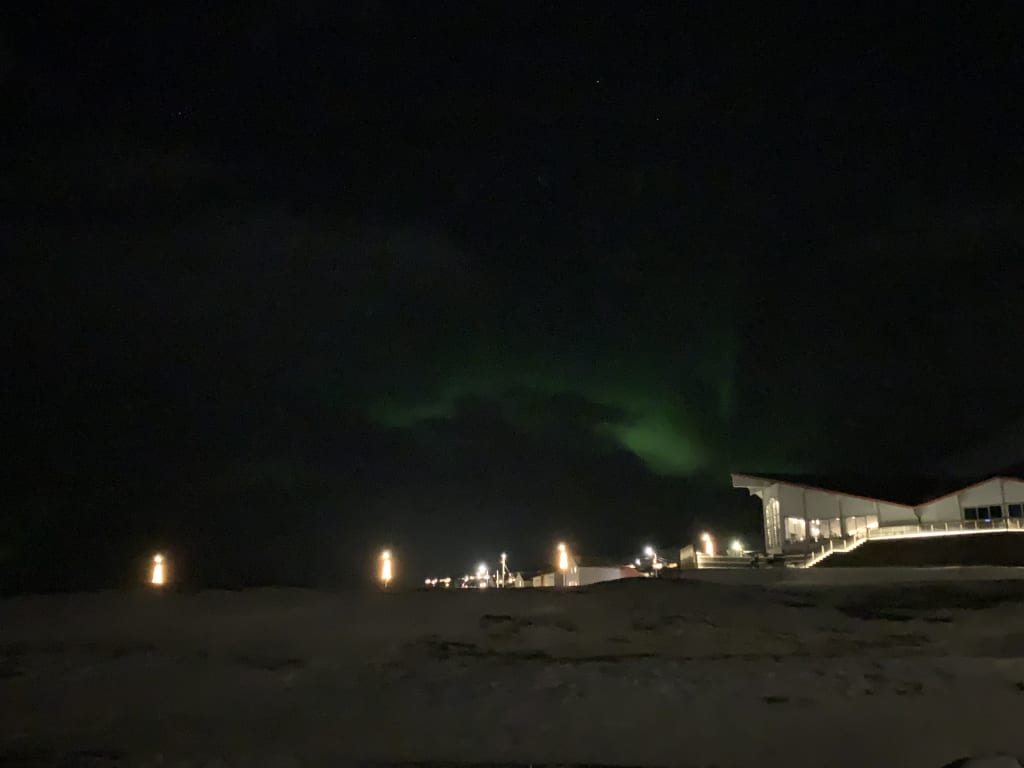
The north pole doesn’t exist. But Svalbard does, and at 78 degrees north it might be the closest a person can come to the top of the world without boarding a ship for the ninetieth degree. An island in the North Sea and far past the Arctic Circle, I visited its capital of Longyearbyen during the polar night.
The island is inhabited by Norwegians and Russians, as the territory itself is considered a no man’s land. Here, I could try the flavoured vodka Aquavit, renowned in Scandinavian circles as a Christmas drink, and the big three Arctic meats – seal, reindeer, and whale.
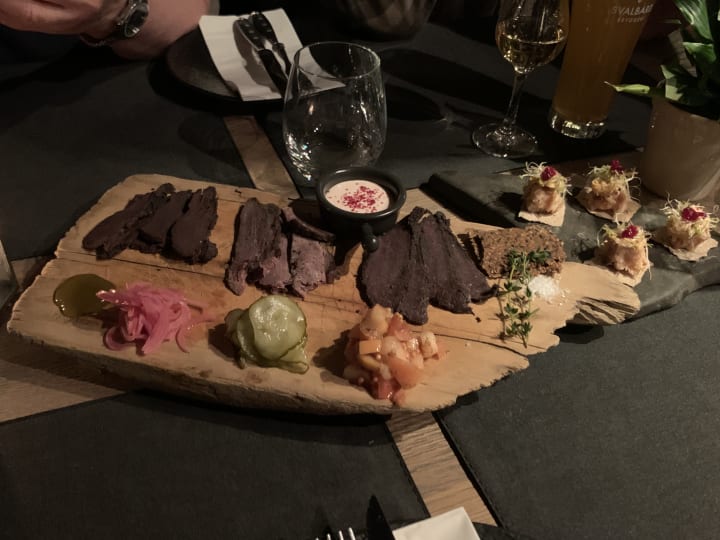
The first was fatty, the second tasted like beef, while the third was unlike anything else I had ever eaten. I can confidently call it a northern delicacy for its unique flavour and the rarity of obtaining whale in the first place.
While I was fortunate enough not to have encountered the fearless polar bears that Svalbard is known for (every citizen venturing outside of the city is mandated to carry a firearm for protection), I was equally fortunate enough to witness the northern lights shimmering faintly in the skies over Longyearbyen.
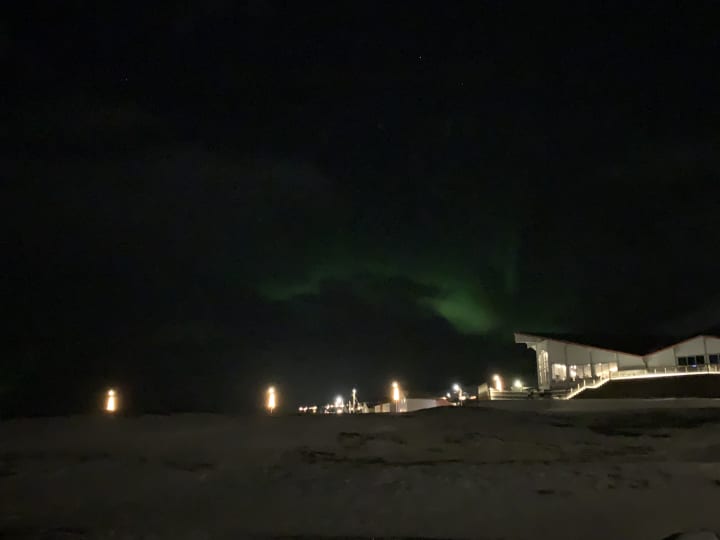
While the aurora borealis is said to occur at around 70 degrees north – 8 degrees south of where I was located in Svalbard – our cameras captured what was otherwise a faint phenomenon for the naked eye. But a natural wonder of the world limited to the cold far north had been experienced.
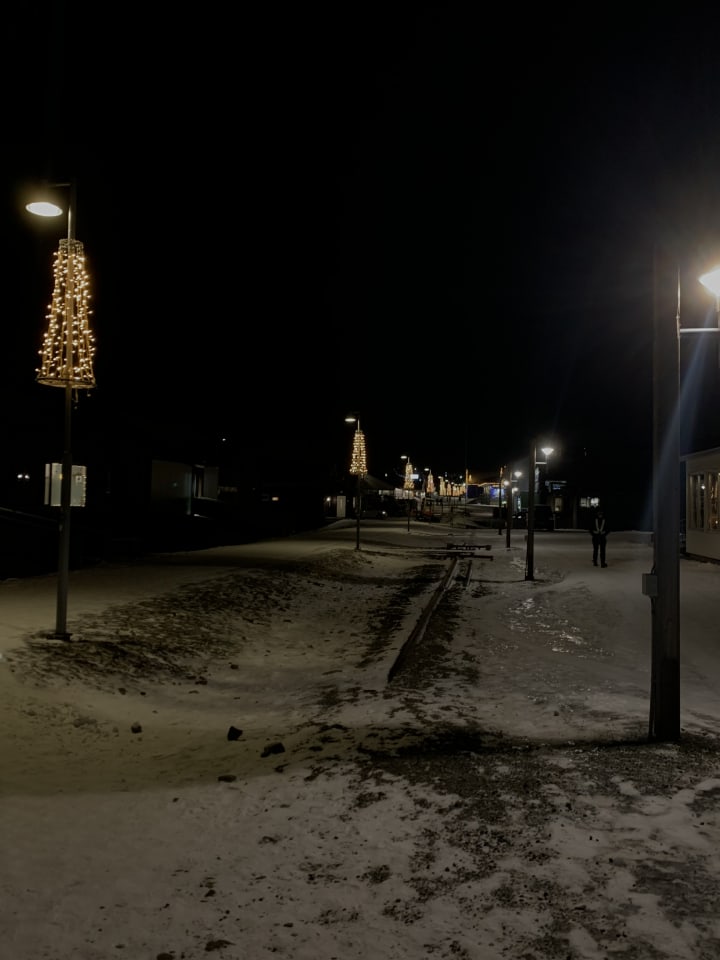
The town itself is a small community, and the winter night has its main street illuminated by Christmas tree posts every few metres. Hardly will you encounter a person walking its streets, and yet people live and work here – some in the coal mines that are said to soon close for nebulous reasons (the coal here is considered some of the purest in the world).
Much research is done in UNIS, the university centre in Svalbard, regarding the surrounding ocean and its glacial compositions. The Svalbard Museum provides some interesting insights on the history of the island, and the Nordover gallery boasts minimalist art by Olaf Storø. The highlight of the trip, however, was snowmobiling into the abyss.
The weather was at a comfortable negative four degrees that day with minimal wind, and after suiting up with balaclava, helmet, jumpsuit, and boots, and a quick tutorial on how to operate the snowmobile with a raise of and press of two buttons, we were off into the darkness.
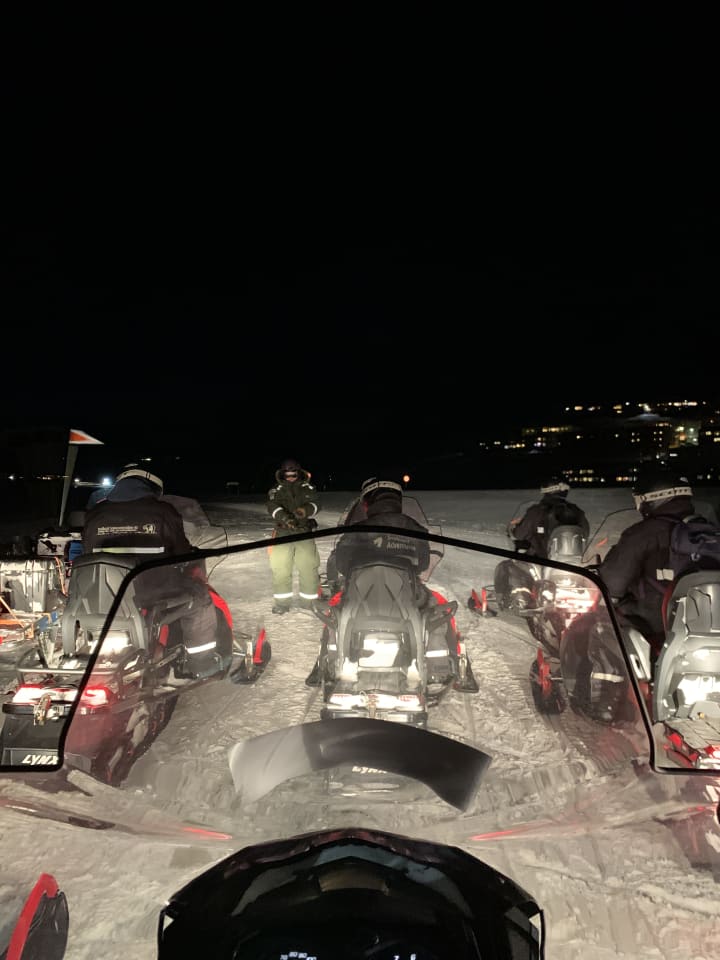
The whole expedition would last around three hours, excluding the time to pick up and drop off each participant, and the briefings before and after the ride. We were told that steering could be kept to a minimum, as the snowmobile would largely be following the tracks left by the instructor in front. This didn’t mean, however, that I wouldn’t encounter a narrow sheet of ice that would spin me ninety degrees, skid me along for about a metre, before I instantaneously pressed either the gas or the break and spun back into place, driving off after the others like nothing had happened.
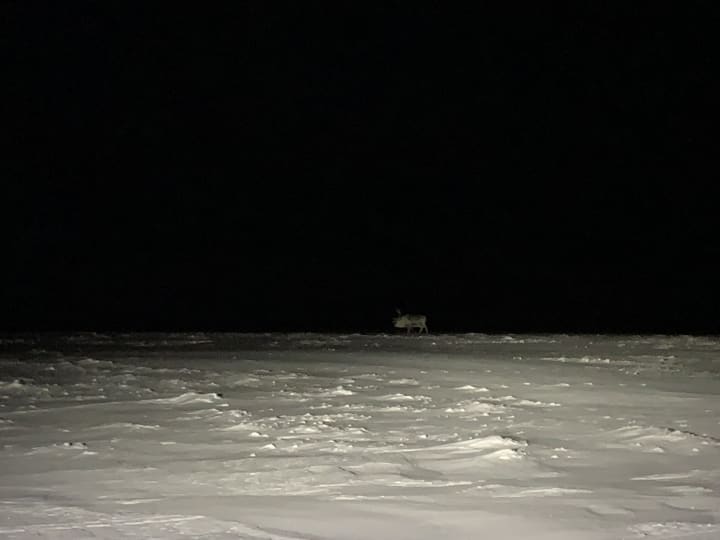
A miracle was seeing a reindeer out in the wild (a deserter from Santa’s workshop?). Our instructor was passionate about the animal and all there was to know about it, lecturing us for a solid fifteen minutes while aiming a floodlight on the grazing mammal in the distance.
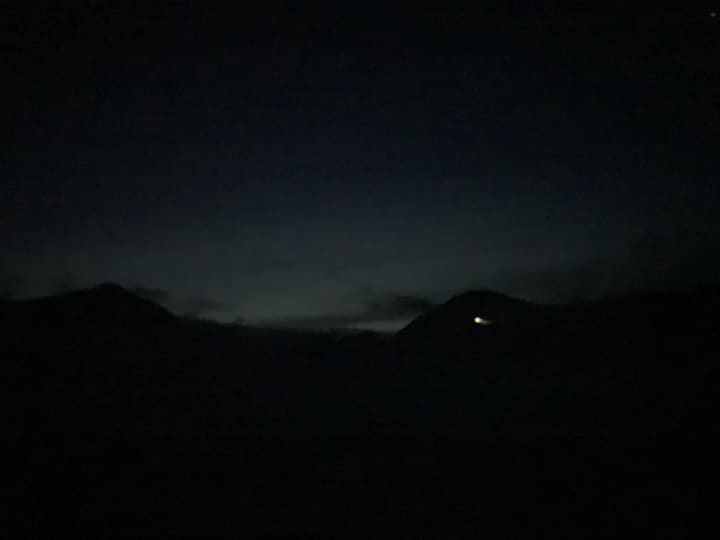
Another highlight was drinking a traditional Norwegian hot blackcurrant beverage in the darkness while only the northern lights or moonlight illuminated the massif in the distance, a shaft of light on the mountainside indicating the mines somewhere deep in the ground.
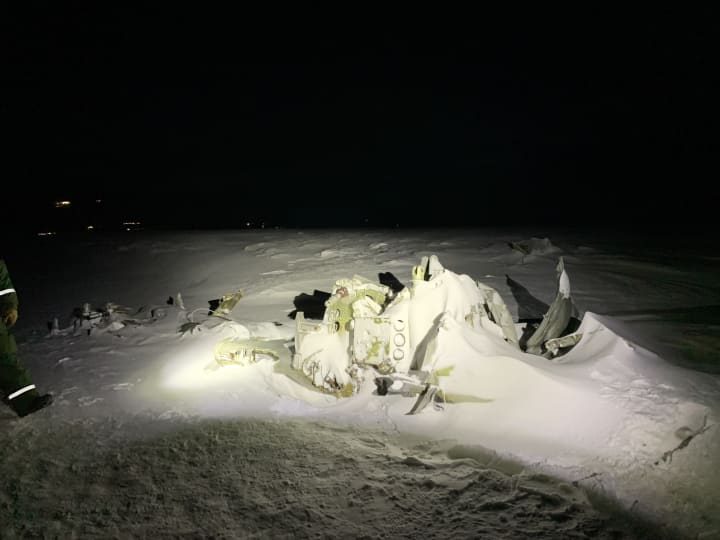
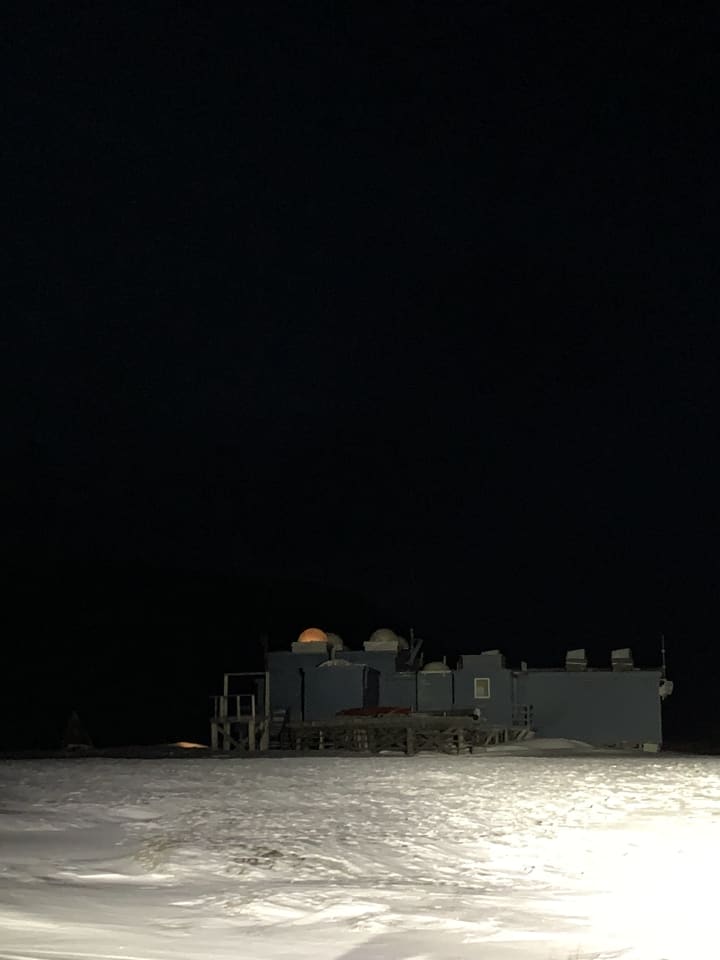
On the way back we would be shown the wreckage of a WWII German bomber, right in front of an abandoned aurora borealis observatory. We were also, it seems, given the freedom to drive twice as fast, still in our train. One can never feel so alive as when they ride a snowmobile through the Arctic blackness.
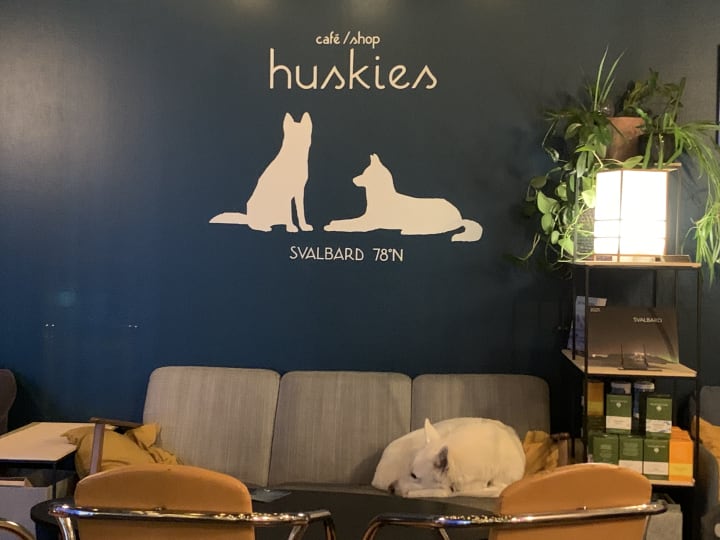
An honourable mention for this trip would be the huskies’ café. The name speaks for itself, and the dogs with furs of snow amiably rest on its sofas and floors, happily accepting pets from its customers.
The locals seem to prefer the eternal night of winter to the perpetual glare of polar day, and while some may find it jarring to go to sleep in blackness only to be greeted by it again the following morning, it is certainly an exotic once-in-a-lifetime experience.
About the Creator
Keep reading
More stories from Andrei Babanin and writers in Wander and other communities.
Norway 2024
Norway, established in 1905 after its separation from Sweden, is one of the more tranquil destinations of Europe. Scandinavia as a whole is a quieter place than its bustling touristy counterparts in the south or the west, for a variety of factors constituting of the weather, a smaller population, and a lesser public awareness of what this region has to offer.
By Andrei Babaninabout a year ago in Wander
Seattle Nightlife Report: Pony
Mid-winter Friday night. Early but already so dark. The days are getting longer but 6 PM is still pitch black. “Firepit!” You declare things after just a few seconds of solemn thought – not a request or suggestion, not a demand. Last week you walked around saying, “Hot tub?” to anyone who would listen. Or one afternoon you pointed at two men holding hands as they crossed 12th Avenue, looked me in the eyes and said, “Boyfriends.”
By Joe Nasta | Seattle foodie poet13 days ago in Wander
Romantic Beachfront Bars in the Maldives for Couples & Honeymooners
The Maldives has a way of slowing time. Days melt into one another, worries feel far away, and every moment seems designed for connection. While overwater villas and crystal-clear lagoons often steal the spotlight, it’s the romantic beachfront bars that quietly become the heart of many love stories.
By Island Life Maldives5 days ago in Wander
Dead and Wearing Green
She was wearing that green dress when I first saw her, five years ago to the day. Flowing meadow fabric draped over long legs, thick auburn hair flowing down her back. That smile. Of course, she is still beautiful now. But now she is no longer alive.
By Karen Cave6 days ago in Fiction



Comments (1)
Sounds like an incredible trip. Fascinating about the whale