
Away from the Crowds in West Virginia
Not the usual tourist spots

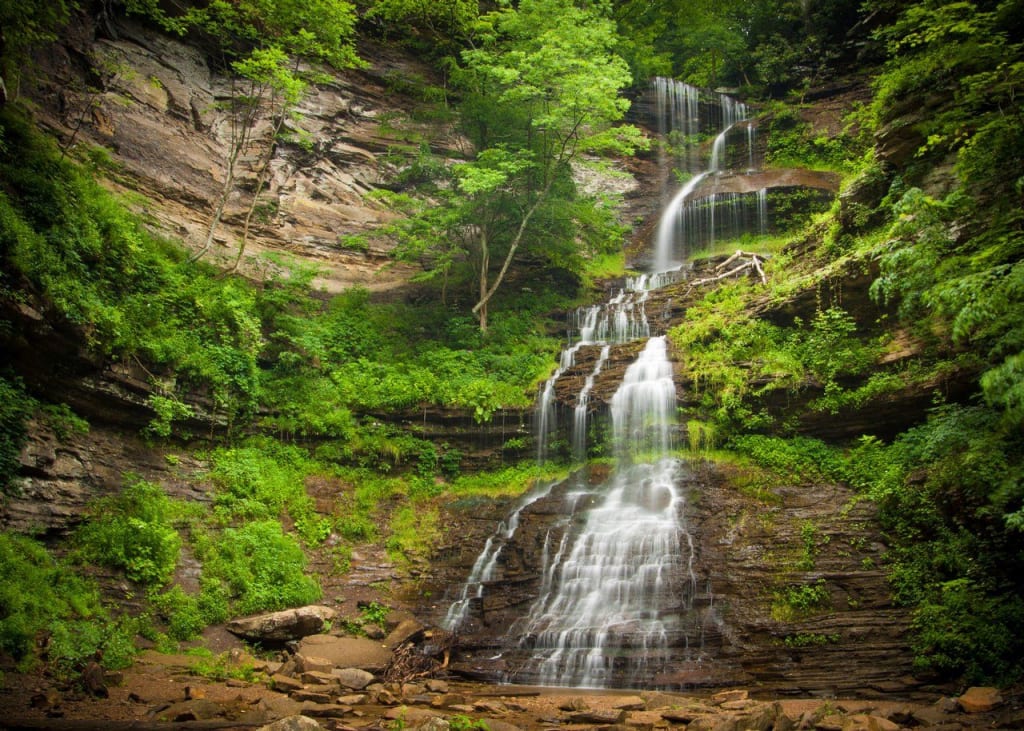
Cathedral Falls in Gauley Bridge is the tallest waterfall in West Virginia. It can be found outside of Gauley Bridge, where Cane Creek drops some 60 feet over a rocky ledge of sandstone and shale.
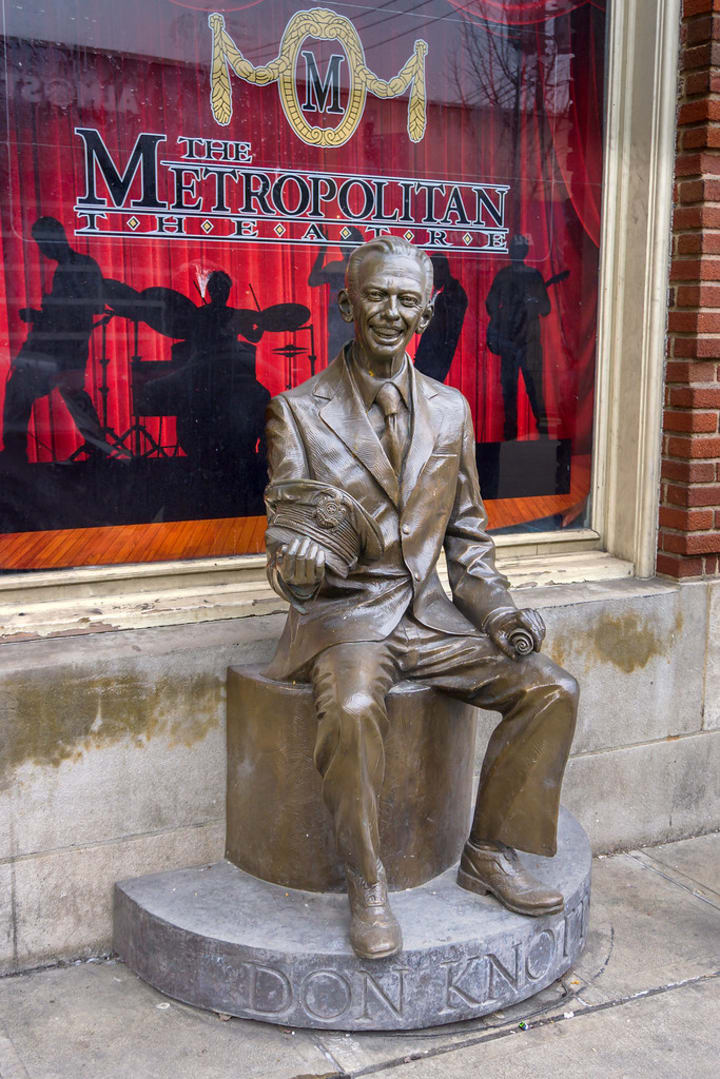
Don Knotts was an actor best known for slapstick comedy and is memorialized in his hometown, Morgantown. His statue stands outside the Metropolitan Theater. Knotts is best known for roles like Barney Fife on “The Andy Griffith Show” and Mr. Furley on “Three’s Company." The actor was born in the town in 1924 and graduated down the road from West Virginia University. In 2016, locals installed this statue honoring their former neighbor.
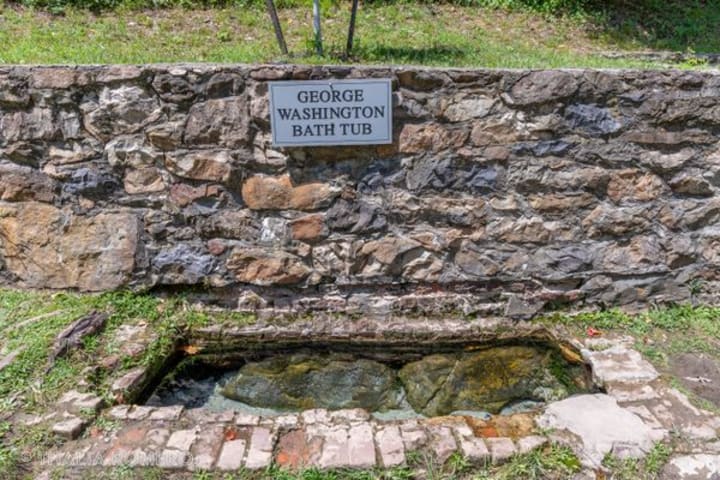
Berkeley Springs State Park has something no one else has: George Washington’s Bathtub. At the age of 16, George Washington was a surveyor’s assistant and often visited the West Virginia warm springs. After some time he purchased property in town and continued making use of the springs. This became Washington’s favorite place to relax, dine, and bathe. Today this bathtub continues to be a favorite place to see for hikers. Even though the stone structure is not the actual bath used by Washington, it is a replica that was built to represent the past. An annual event takes place here in mid-March on the weekend that is nearest to March 18, the anniversary of Washington's first visit in 1748.
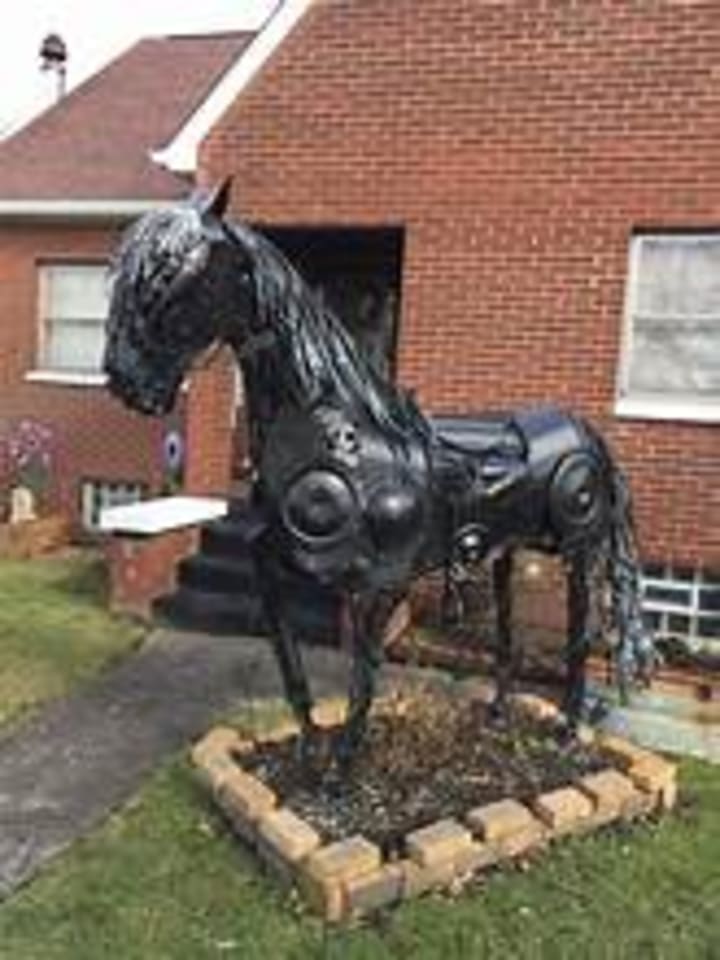
In Cumberland see the metal sculptures created by California artist Ken Sinsel. The artist creates the scrap metal beasts in his spare time. His yard contains an imposing junkyard sea monster, a metal horse, and a handful of other creations. Sinsel also has other artworks installed throughout the town nearby.
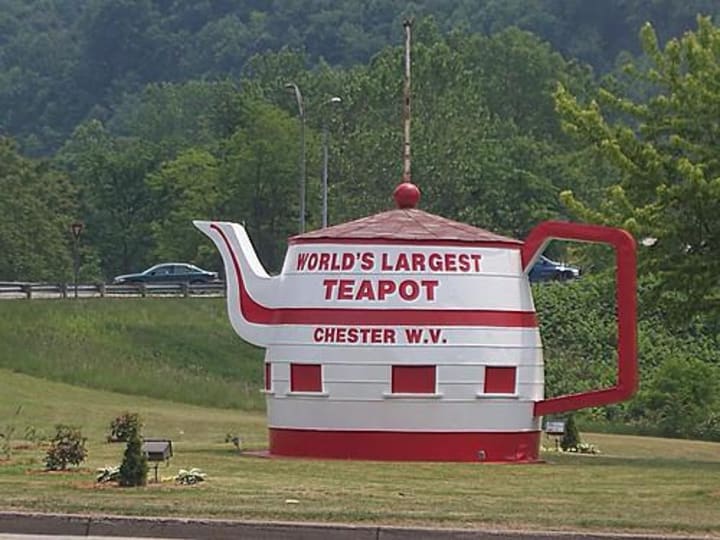
In Chester, see the largest teapot in the world. It was first a root beer ad, then a golf course clubhouse, and finally a massive teapot. Chester celebrated the first-ever World’s Largest Teapot Day on August 8th, 2015. The teapot was opened to sell concessions for the first time in almost 50 years, and in July of 2015, a small creamer was installed beside the teapot.
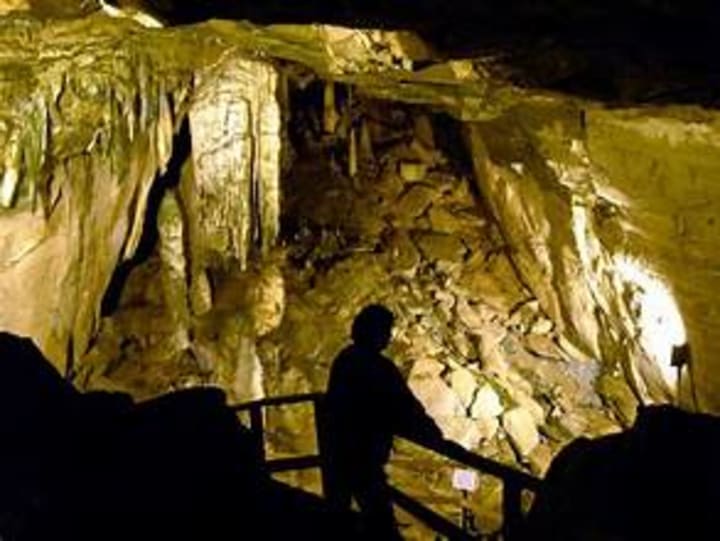
In Lewisburg, you’ll find the Lost World Caverns that are home to a 28-foot-tall stalagmite known as the War Club. In the early 1970s a walking entrance was dug out, walkways were installed, and the surrounding area was cleaned up. The temperature within the caverns is a constant 52 degrees F.
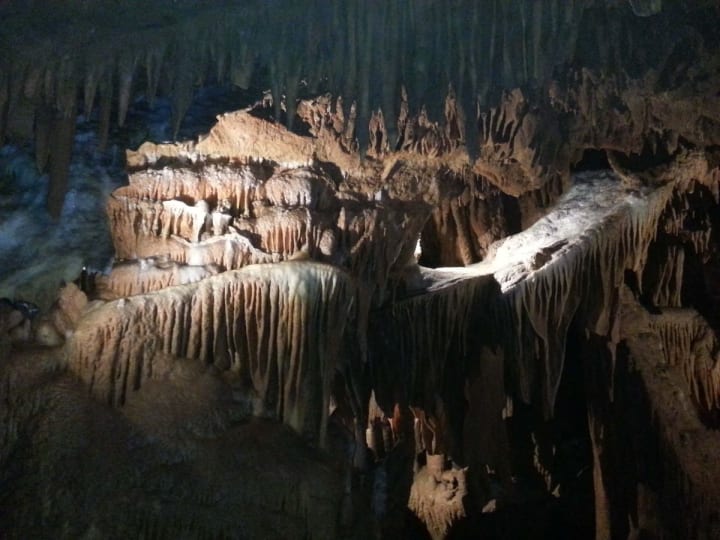
Among the more well-known stalactite formations is the Snowy Chandelier, weighing around 30 tons.
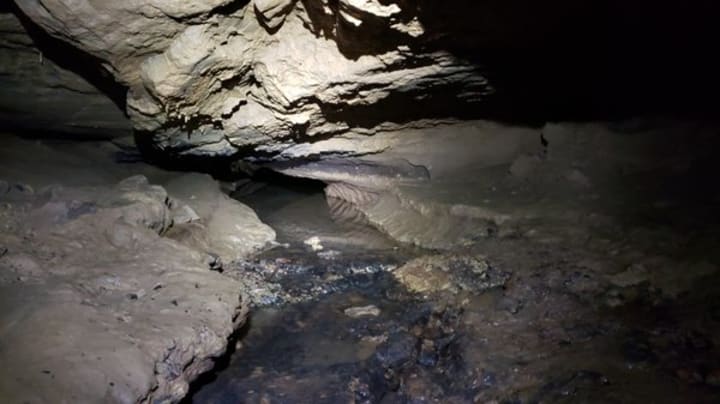
The Lost World Caverns are also home to a disappearing stream with no way of knowing where it goes, but it emerges eight miles from the caverns. The caverns are also home to cave crickets and salamanders.
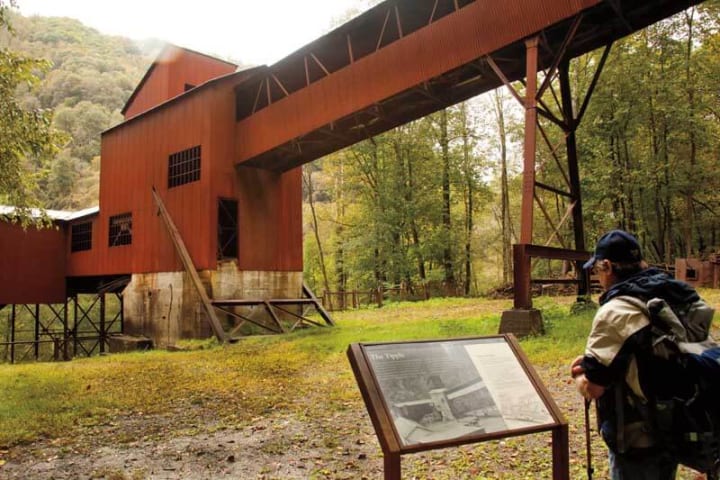
In Fayetteville at the Nuttelberg Coal Mining Complex, hikers can walk beneath the long conveyor of this abandoned mining facility hidden in a river gorge. During the 1920s the mine flourished and was taken over by the Ford Motor Company, using the mine to power their factory in Dearborn, Michigan. The mine was sealed in 1958, but the remains of the long conveyor and processing facility remain.
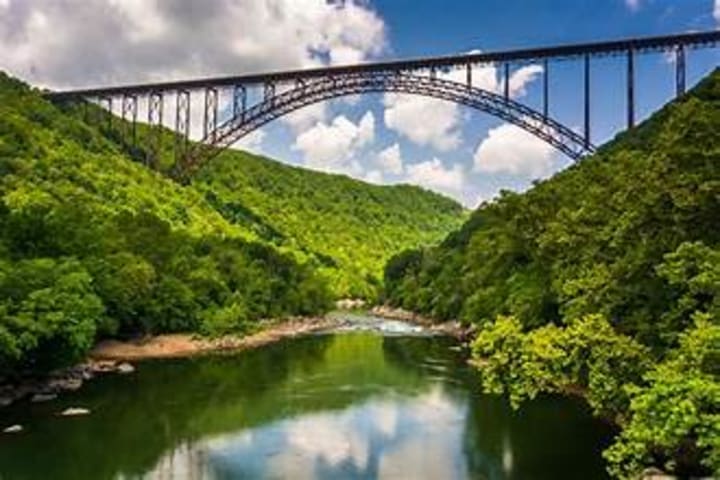
See the New River Gorge Bridge in Fayetteville. One day a year it is legal to jump off of this astoundingly tall bridge that spans an Appalachian gorge. That day is when BASE jumpers from all over the world fling themselves off the bridge during a massive festival. BASE jumping is the sport of jumping from fixed objects, using a parachute to descend to the ground. This bridge was built in 1977 to connect the hills on either side of the New River Gorge, and it became the longest single-span arch bridge made of steel in the world and also the highest vehicular bridge. In December 2020, New River Gorge National Park and Preserve was officially established as the 63rd national park in the US.
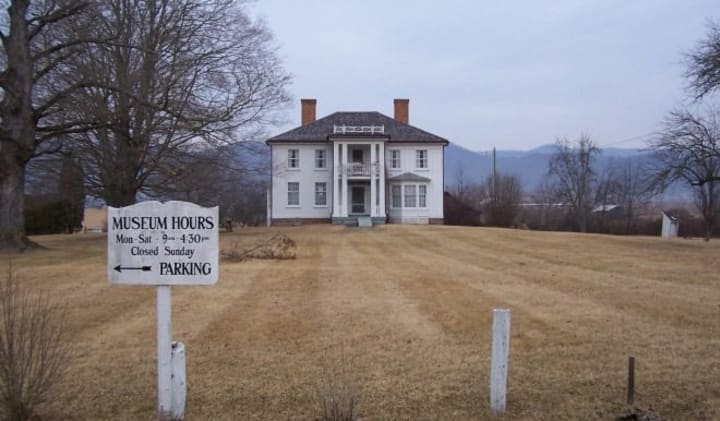
In Hillsboro, see the Pearl S. Buck Birthplace. She was the first woman to win the Nobel Prize in Literature in 1938. She was born in her maternal grandparent’s home on June 26, 1892. Her parents were missionaries, and three months later they took her with them to China. In 1917, Pearl married an agricultural economist named John Lossing Buck and moved to the rural Anhwei province in the east of China. Her best-known literary work is “The Good Earth," for which she won the Pulitzer Prize in 1931. The book tells of the lives of rural Chinese in the early 20th century. She started the Pearl S. Buck Foundation, which provides humanitarian aid and intercultural education for children throughout Asia. The house looks like it did in the late 19th century. You can see items from Pearl’s travels on display and also a copy of the Bible her father translated into Chinese, along with descriptions of the restoration and reconstruction process.
About the Creator
Rasma Raisters
My passions are writing and creating poetry. I write for several sites online and have four themed blogs on Wordpress. Please follow me on Twitter.
Keep reading
More stories from Rasma Raisters and writers in Wander and other communities.
Seattle Nightlife Report: Pony
Mid-winter Friday night. Early but already so dark. The days are getting longer but 6 PM is still pitch black. “Firepit!” You declare things after just a few seconds of solemn thought – not a request or suggestion, not a demand. Last week you walked around saying, “Hot tub?” to anyone who would listen. Or one afternoon you pointed at two men holding hands as they crossed 12th Avenue, looked me in the eyes and said, “Boyfriends.”
By Joe Nasta | Seattle foodie poet30 days ago in Wander
10 Times Tourists Completely Ruined Priceless History
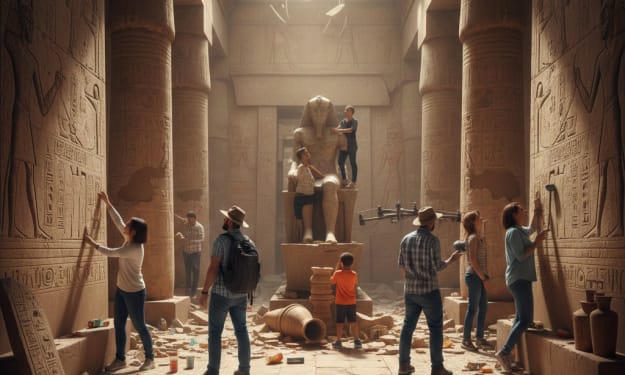
There’s something magnetic about ancient architecture and historic artifacts. Whether it’s a crumbling amphitheater, a sacred temple high in the mountains, or a centuries-old painting in a quiet chapel, we’re drawn to these places. Maybe it’s the mystery. Maybe it’s the legends. Maybe it’s the simple realization that these structures have survived hundreds, sometimes thousands of years.
By Areeba Umair5 days ago in Wander
Unofficial Challenge: What would you do if you were rich?
I love the kind of work I get to do in my career, but as I job search and browse apartments again due to another understaffed and unsustainable work environment that I did not intend to get into, my daydreams of better days consistently lean into the same question: What would I do if I didn't have to worry about my basic needs being met?
By Kay Husnick4 days ago in Writers


Comments
There are no comments for this story
Be the first to respond and start the conversation.