

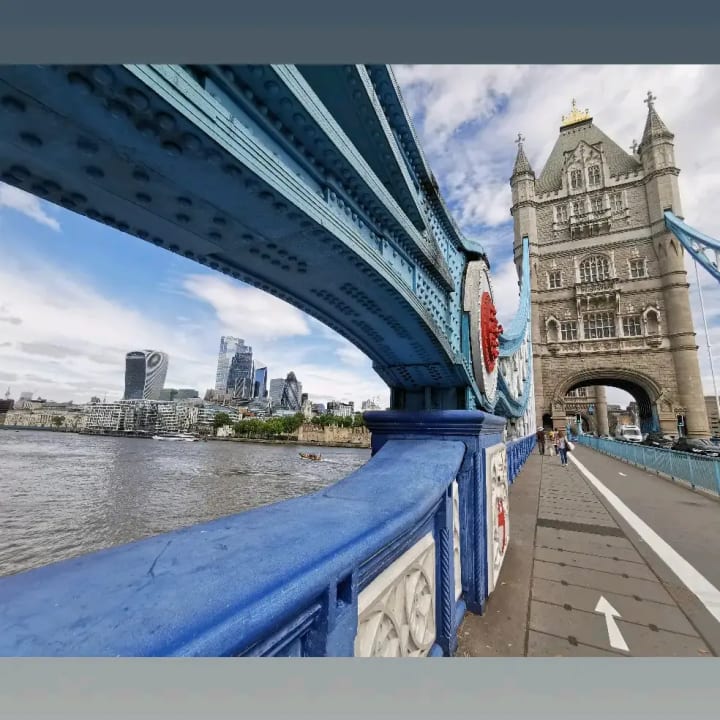
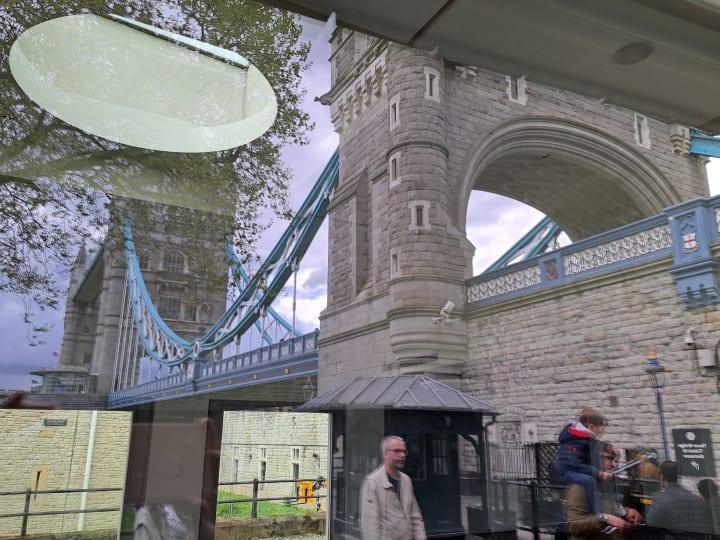
Did you know that there are 34 bridges in London? You’re probably familiar with the most famous one - Tower Bridge. It’s a bridge most Londoners grew up with and admired for as long as we can remember. It was lovely to go over the bridge as a child.
These days, I still relish the opportunity to go over the bridge and still feel excited. Did you know 40,000 use the Bridge each day?
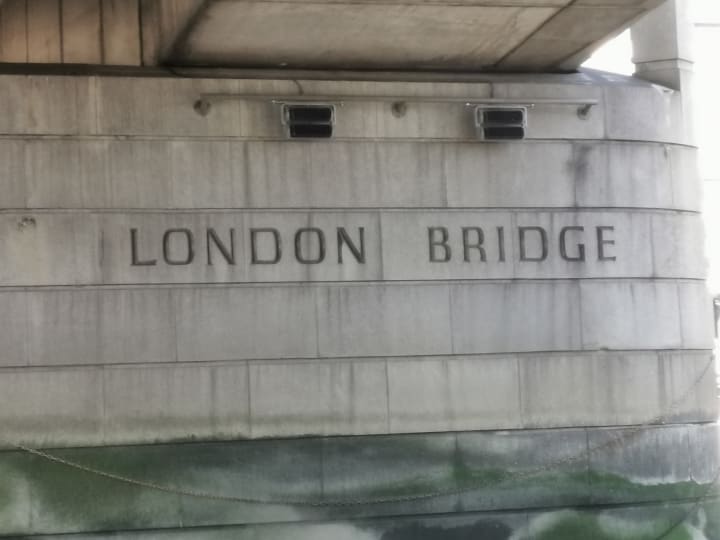
Tower Bridge is often confused with London Bridge, which isn’t as aesthetically pleasing as Tower Bridge. Rumors have it that a man in the USA paid for London Bridge thinking he’d be buying Tower Bridge. Tower Bridge is not for sale and never will be.
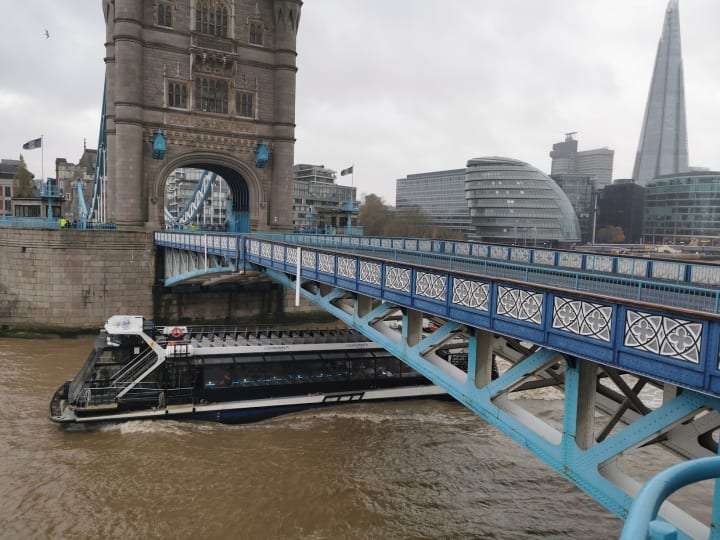
Did you know there are no more bridges after Tower Bridge? Why? It’s not possible from an engineering perspective because the river widens out after Tower Bridge, making construction challenging. The Thames’ geography dictates this limitation, ensuring Tower Bridge remains the final iconic crossing in that stretch.


Other Notable Bridges
The Albert Bridge is another standout bridge because it looks so pretty. It was named after Queen Victoria’s husband, Prince Albert. It is a beautiful bridge, and you get a sense of history as you walk over it.

The bridge connects Chelsea on the north bank to Battersea on the south bank. Severe vibrations caused concerns that the bridge might be unsafe, and warning signs were placed at each end of the bridge asking troops to break step when crossing.

The problem was made worse when troops from the nearby Chelsea Barracks marched across the bridge. The signs are still in place. Except for Tower Bridge, built in 1894, Albert Bridge is the only Thames road bridge in central London never to have been replaced.

All vehicles weighing less than two tonnes can use the bridge. Being a beautiful bridge, it’s been used as a backdrop in many movies, including Stanley Kubrick’s A Clockwork Orange.
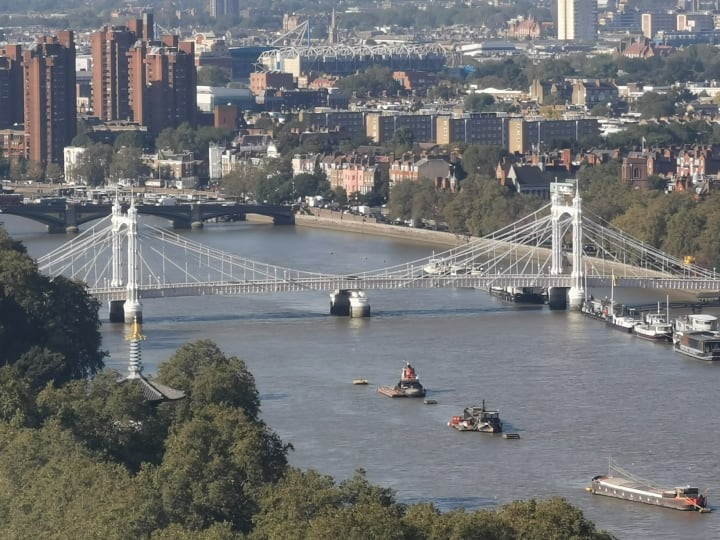
Its delicate design, painted in pastel colors, and its ornate Victorian style make it a favorite for filmmakers and photographers alike. At night, it’s illuminated with thousands of lights, adding to its charm and making it a picturesque sight against the London skyline.
Millennium Bridge
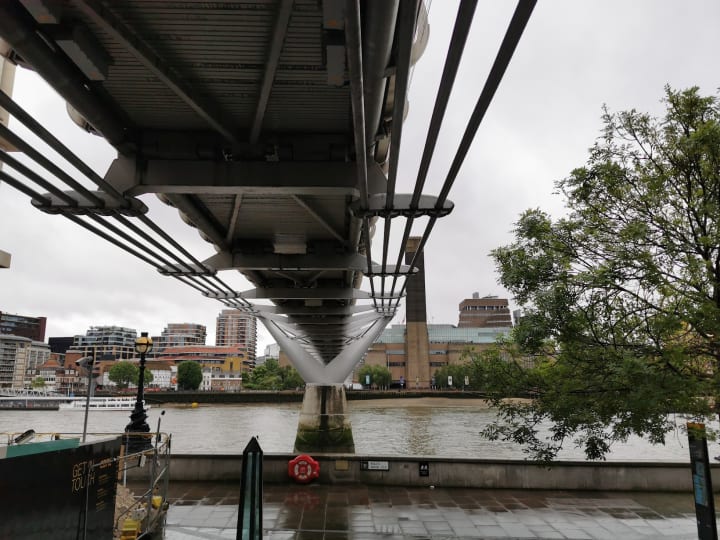
Once known as the Wobbly Bridge when it first opened, the Millennium Bridge has its own unique story. Why? When it debuted in 2000, pedestrians crossing it felt an unexpected swaying motion, caused by synchronized footsteps amplifying the bridge’s natural frequency.
This phenomenon, known as synchronous lateral excitation, turned a celebratory opening into a temporary closure just two days later. Engineers quickly worked to fix the issue, adding dampers to stabilise it. Now, the sleek, modern pedestrian bridge connects St. Paul’s Cathedral on the north bank to the Tate Modern on the south bank, offering stunning views of the city.

Unlike Tower Bridge’s grand gothic towers or Albert Bridge’s Victorian elegance, the Millennium Bridge embraces a minimalist, futuristic design. Its nickname, to mark the beginning of a new millennium and its wobbly start, has become a quirky part of its legacy. Today, it stands firm, a testament to human ingenuity overcoming initial setbacks.
London’s bridges each tell a story—of engineering triumphs, historical quirks, and cultural significance. From Tower Bridge’s timeless majesty to Albert Bridge’s fragile beauty and the Millennium Bridge’s wobbly start, they reflect the city’s evolution.

Whether you’re a Londoner or a visitor, crossing these bridges offers more than just a way over the Thames—it’s a journey through time, connecting past and present with every step. With 34 bridges spanning the river, each has its own character, but these three remain among the most memorable, etched into London’s identity as enduring symbols of its heritage and innovation.
If you enjoyed reading this article and want to support my work, you can now buy me a coffee ☕️.
https://www.buymeacoffee.com/TabbyLondon
Thank you for your attention.
Best wishes
Tabby
About the Creator
Tabby London
The London I've been discovering is usually off the well-beaten track.I love the nooks and crannies and walking along the streets steeped in centuries worth of history. I'm fond of Zone 1 because that's where it all began centuries ago.
Keep reading
More stories from Tabby London and writers in Wander and other communities.
Love Lane
I remember when I first saw Love Lane and thought, "How sweet!" This was before I was interested in London. Once, I created Tabby London, and when I returned to the City, I decided to research street names. What I found was very interesting, to say the least.
By Tabby London10 months ago in Wander
Seattle Nightlife Report: Pony
Mid-winter Friday night. Early but already so dark. The days are getting longer but 6 PM is still pitch black. “Firepit!” You declare things after just a few seconds of solemn thought – not a request or suggestion, not a demand. Last week you walked around saying, “Hot tub?” to anyone who would listen. Or one afternoon you pointed at two men holding hands as they crossed 12th Avenue, looked me in the eyes and said, “Boyfriends.”
By Joe Nasta | Seattle foodie poet11 days ago in Wander
Top Luxury Resorts with Poolside Bars in the Maldives
The Maldives has an almost effortless way of redefining luxury. It isn’t about excess or showy glamour; instead, it’s about space, silence, natural beauty, and experiences that unfold slowly. Among the many indulgences the islands offer, one stands out as a quiet favourite for seasoned travellers: the poolside bar.
By Maldives Moments5 days ago in Wander
Cabin Fever Because of Snow, Sleet, and Freezing Rain That Turned to Icy Roads
What Is Cabin Fever? The short answer is that cabin fever is restlessness from being in a confined area. Cabin fever is the distressing irritability or restlessness experienced when a person or group is stuck at an isolated location or in confined quarters for an extended time. Research shows that prolonged cold, gray skies, and being stuck indoors can trigger mood shifts similar to “winter blues.”
By Margaret Minnicks2 days ago in Humans




Comments
There are no comments for this story
Be the first to respond and start the conversation.