
A Historic Decision in Jersey: Choosing Dignity at the End of Life
How a small island’s assisted dying law is changing the conversation about compassion, choice, and human dignity


In February 2026, the island of Jersey made history. Lawmakers voted to allow assisted dying for terminally ill adults. This decision has started important conversations about dignity, suffering, and the right to choose how life ends.
For many people, this law is about compassion. For others, it raises deep moral and ethical questions. But one thing is clear: Jersey’s decision is a major moment in the global debate about end-of-life care.
What the new law allows
The new law permits mentally competent adults with terminal illnesses to request medical assistance to end their lives.
To qualify, a person must:
Be an adult resident of Jersey
Be mentally capable of making medical decisions
Have a terminal illness
Be expected to live six months or less (or up to 12 months for some neurological diseases)
The law includes strict safeguards to ensure the decision is voluntary and well considered. Multiple medical professionals must review each request.
Unlike some assisted dying systems, the Jersey framework allows a medical professional to administer the medication when appropriate.
Why supporters say this law matters
Supporters believe the law gives people dignity, control, and relief from suffering.
Terminal illnesses can cause intense pain and loss of independence. Some patients fear losing the ability to communicate, move, or recognize loved ones.
Advocates argue that assisted dying allows people to:
Avoid prolonged suffering
Maintain control over their final days
Say goodbye to loved ones in a planned and peaceful way
Preserve dignity at the end of life
Many families who have watched loved ones suffer say the law provides comfort, knowing there is an option.
One supporter described the decision as “an act of compassion that puts humanity first.”
The importance of safeguards
Because assisted dying is such a sensitive issue, the law includes strong protections.
Safeguards include:
Confirmation of diagnosis by more than one doctor
Proof the patient is making the decision voluntarily
Waiting periods to prevent rushed decisions
Mental capacity assessments
Oversight and reporting procedures
Officials have said the system will be among the safest and most transparent in the world.
The goal is to ensure the choice is made freely, without pressure, and only in appropriate medical situations.
Concerns and ethical questions
Not everyone supports assisted dying.
Some religious groups and medical professionals believe life should be preserved under all circumstances. Others worry vulnerable people could feel pressure to choose death.
Common concerns include:
Fear of coercion or subtle pressure
Moral and religious objections
Slippery slope arguments about expanding eligibility
Impact on trust between patients and doctors
Opponents argue that improving palliative care and pain management should be the priority instead.
These concerns continue to shape the debate worldwide.
Public opinion and community voices
Public support in Jersey has grown over time. A citizens’ jury in 2021 recommended allowing assisted dying under strict conditions. Polls later showed strong public backing.
Many residents shared personal stories of relatives who suffered at the end of life. These experiences helped shape the public conversation.
For some, the law represents kindness and mercy. For others, it remains a difficult moral issue.
The discussion has encouraged people to talk openly about death, a subject often avoided in daily life.
A wider shift beyond Jersey
Jersey is not alone. Around the world, assisted dying laws are evolving.
Places such as Canada, Netherlands, Belgium, and several U.S. states allow some form of assisted dying under strict regulations.
In the British Isles, the Isle of Man has also approved assisted dying legislation. Meanwhile, debates continue in the United Kingdom.
These developments show a growing global conversation about how societies handle end-of-life care.
What happens next
Before the law takes full effect, it must receive formal approval from Charles III. After that, officials will build the medical and legal systems needed to implement the service.
This process could take around 18 months.
Training, oversight systems, and patient protections must be carefully established before the first assisted dying cases can take place.
A conversation about dignity and compassion
At its heart, Jersey’s decision is about how society treats people at their most vulnerable moment.
Supporters see it as an act of compassion. Critics see it as a moral boundary that should not be crossed. Both perspectives come from deeply held values.
What is undeniable is that the law has encouraged a broader conversation about dignity, suffering, and personal choice.
Death is a universal human experience. How we face it—and how we help others face it—reflects our deepest beliefs about care, respect, and humanity.
As Jersey moves forward, the world will watch closely. The island’s decision may influence other nations and shape future policies.
But beyond politics and law, this moment reminds us of something simple and human: every person deserves compassion, dignity, and respect—especially at the end of life.
About the Creator
Keep reading
More stories from dua fatima and writers in Viva and other communities.
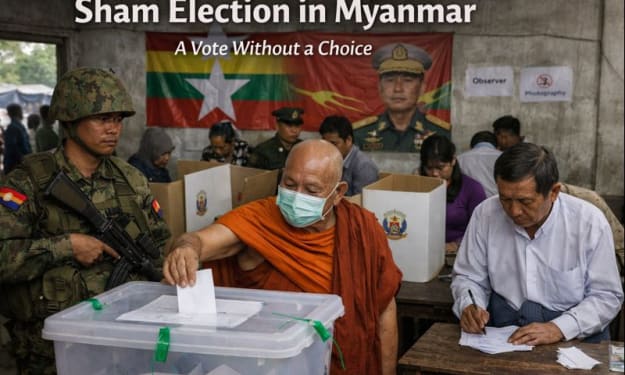
Myanmar’s Junta Election: A Vote Without a Choice
Myanmar’s military government has held the second phase of its planned election, but many people inside and outside the country say the vote is not real democracy. Critics describe it as a “sham election” designed to keep the generals in power, not to return the country to civilian rule. The election comes while Myanmar is still facing war, poverty, and deep political repression.
By dua fatima2 months ago in Viva
Why River Cruises Are Consistently Recognised as a Distinctive Chiang Mai Experience
Chiang Mai developed beside the Mae Ping River, which shaped how people moved, traded, and settled across the region long before railways and highways appeared. The river flows through quieter parts of the city, past houses, small gardens, and working stretches of riverbank. Moving along this section shows a side of Chiang Mai shaped by daily use and the land itself – here's how.
By ameliarosanna7 days ago in Viva
Why I’m Choosing a Diamond Band Over a Solitaire: A Lesson in Practical Luxury
There is a weight to the word "forever." In the UK, we are often taught that this weight should be reflected in the size of a diamond perched on a platinum claw. But as I sat in a small jeweller's shop last month, staring at a stunning 2-carat solitaire, I felt... nothing. Well, not nothing—I felt a sense of looming anxiety.
By Mohd Kaish4 days ago in Viva



Comments
There are no comments for this story
Be the first to respond and start the conversation.