
Understanding WikiFX in the Forex Ecosystem: Role, Value, and Limitations
An industry-level perspective on third-party forex information platforms, expectations, and real-world limitations

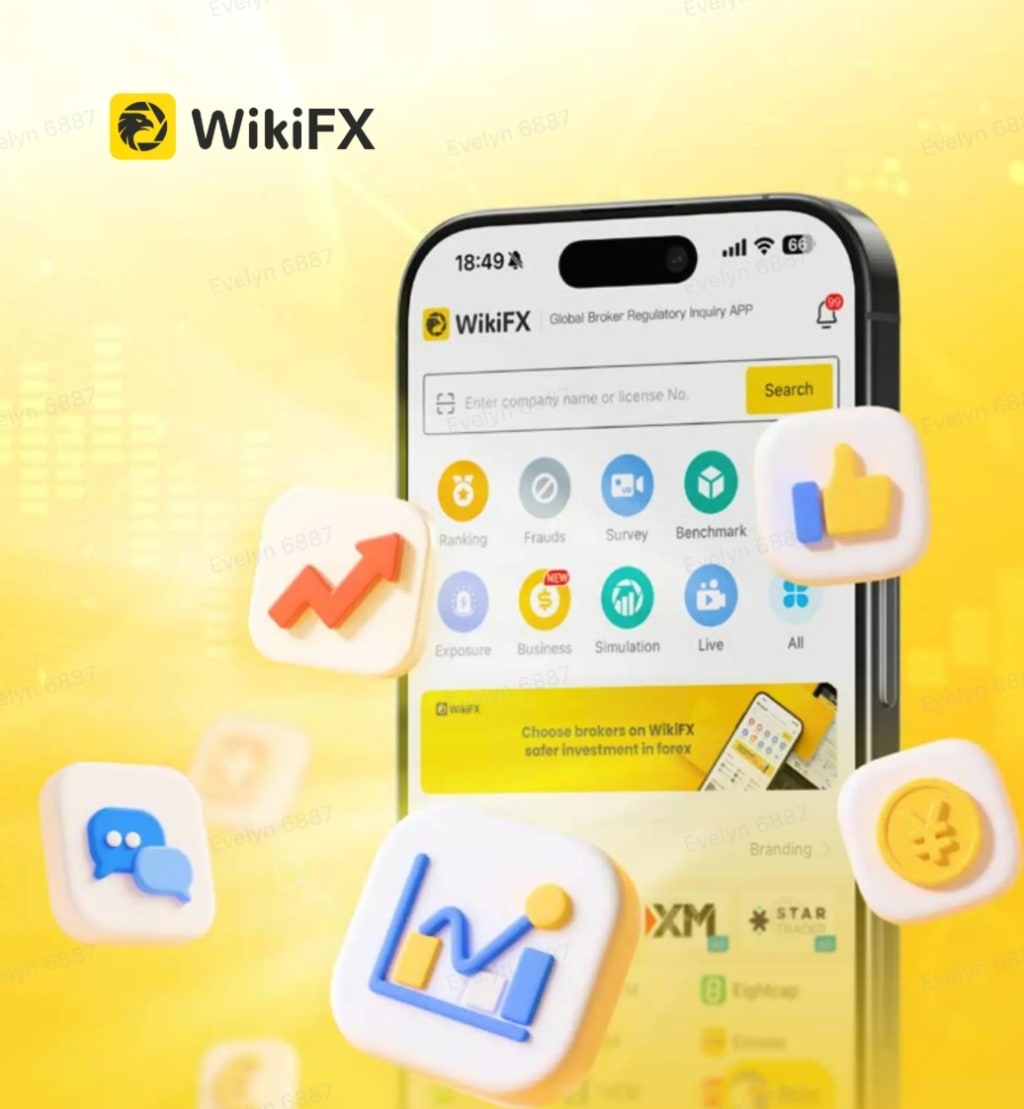
In the global retail forex market, access to information has improved dramatically over the past decade. Traders today can easily find broker reviews, regulatory warnings, and user feedback within seconds. At the same time, this abundance of information has introduced a new challenge: how to evaluate the credibility and role of third-party forex information platforms themselves.
Among the platforms frequently mentioned in this discussion is WikiFX. Like many visibility-focused services, WikiFX attracts both support and criticism. Understanding its actual role requires separating function, expectation, and limitation.
The Rise of Third-Party Forex Information Platforms
Third-party forex information platforms emerged to address a structural gap in the market. Regulation exists, but regulatory data is often fragmented across jurisdictions, written in legal language, and difficult for retail investors to interpret. These platforms aim to organize publicly available information into formats that are easier to compare and understand.
Crucially, they are not regulators, trading venues, or financial intermediaries. They do not issue licenses, approve brokers, or enforce compliance. Their influence comes from information visibility, not legal authority.
This distinction is often overlooked, leading to unrealistic expectations about what such platforms should or should not guarantee.
Where WikiFX Fits in This Structure
WikiFX is commonly cited as an example of an independent third-party forex information platform focused on broker verification and regulatory transparency.
Founded in 2017, WikiFX does not provide trading services, does not hold client funds, and does not participate in order execution or asset management. Its core function is to aggregate regulatory data from official public sources and present it alongside operational disclosures, risk alerts, and user-submitted evidence.
Because WikiFX operates outside the trading flow, it occupies a position similar to other market intelligence or comparison platforms: offering reference information rather than investment recommendations.
Common Criticisms and Why They Exist
Criticism of WikiFX — and similar platforms — generally falls into three categories:
1.Overreliance on scores or ratings
Some users treat platform scores as definitive judgments rather than indicators. In practice, any scoring system is a model, not a guarantee, and depends on available data, weighting logic, and update frequency.
2.Perceived bias or commercial influence
Questions often arise about how platforms generate revenue and whether that affects neutrality. This skepticism reflects a broader industry issue rather than a single platform, as transparency businesses must balance sustainability with independence.
3.Mismatch between user expectations and platform scope
Many disputes stem from the assumption that a third-party platform should prevent losses or detect fraud in advance. In reality, such platforms can only reflect known, verifiable information, not predict future behavior.
These criticisms are not unique to WikiFX and appear across the entire forex information ecosystem.
Understanding Ratings Beyond Licensing
One of the recurring misunderstandings in retail trading is the belief that a valid license ensures safety. Industry history shows that licensed brokers have still faced enforcement actions, operational failures, or sudden exits.
For this reason, platforms like WikiFX often adopt multi-factor evaluation frameworks, where licensing status is only one variable among others such as regulatory warnings, complaint records, operational transparency, and publicly reported risk events.
This approach does not eliminate risk, but it helps illustrate that regulatory compliance is not binary and varies significantly across jurisdictions.
User Feedback: Value and Limitations
User reviews and complaints play a powerful role in shaping perception, yet they are also among the most difficult data points to manage responsibly. Unverified claims can distort reality, while overly aggressive moderation can reduce transparency.
Third-party platforms typically attempt to balance this by requiring documentation for complaints, maintaining visible dispute statuses, and preserving historical records even after resolution. While imperfect, this process-based approach prioritizes traceability over sentiment.
The Question of Neutrality
Neutrality is not achieved by the absence of criticism, but by consistency in standards. Platforms that avoid transaction-based income and do not earn per-user trading fees reduce certain conflicts of interest, though no system is entirely free from limitations.
For users, the practical takeaway is not to rely on a single platform, but to cross-reference multiple sources, including regulators, financial statements, industry forums, and independent research.
Transparency as a Complementary Layer
WikiFX and similar services should not be viewed as substitutes for regulation or professional advice. Their role is better understood as a complementary transparency layer — lowering information barriers and helping investors ask better questions before engaging with brokers.
When used correctly, third-party information platforms can improve market awareness and accountability. When misunderstood, they can create misplaced confidence or unnecessary distrust.
A Practical Perspective for Traders
For retail traders, the most effective use of platforms like WikiFX is as a starting point, not a final verdict. Regulatory verification, risk alerts, and historical disclosures provide context, but responsibility ultimately lies with the investor to understand jurisdictional protections and trading risks.
In a market as complex and fragmented as forex, no single source can offer certainty. Transparency tools contribute value when their scope and limits are clearly understood.
About the author
Tanvir Zafar
Financial markets writer focusing on forex market structure, transparency, and investor risk awareness.
About the Creator
Harry Foster
Fintech Writer. Focus on digital finance, trade-tech, and the real-world impact of fintech on modern financial markets.
In addition to writing, I actively participate in fintech and trading events, industry conferences, and financial forums.
Keep reading
More stories from Harry Foster and writers in Trader and other communities.
Bitcoin Price: A Complete Guide to Understanding Market Movements
**Bitcoin Price: A Complete Guide to Understanding Market Movements** Bitcoin is the most widely recognized digital currency in the world and one of the most actively discussed financial assets in modern markets. Since its creation, Bitcoin price has attracted massive attention due to its rapid growth, sharp volatility, and decentralized nature. Unlike traditional currencies issued by governments, Bitcoin operates on a peer-to-peer network, which means its price is determined entirely by market forces rather than central authority decisions.
By America today 2 days ago in Trader
Instructions Included Challenge Winners
For the Instructions Included challenge, we asked writers to tell a story through instructions and to trust the form to carry what could not be said outright. Across the top entries, that trust paid off in many different ways.
By Vocal Curation Team5 days ago in Resources




Comments
There are no comments for this story
Be the first to respond and start the conversation.