
The Precast Concrete Market: Innovation, Growth, and the Future of Construction
The global precast concrete market is reshaping the construction industry with faster build times, improved quality, and enhanced sustainability. As urbanization accelerates and infrastructure needs grow, precast concrete solutions are gaining traction across residential, commercial, and public works projects.

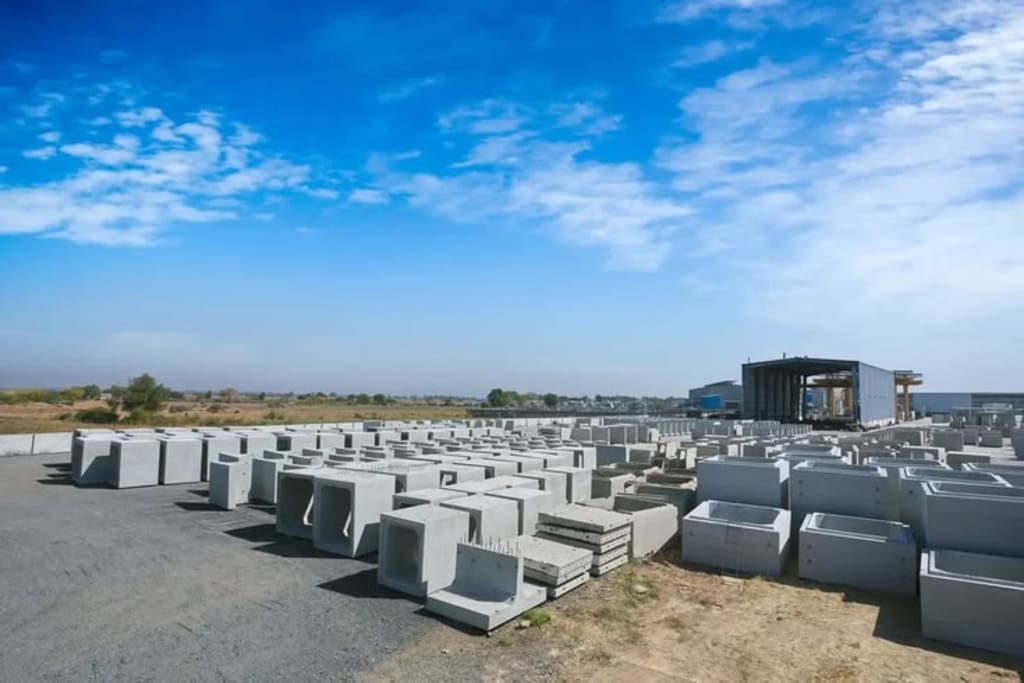
Global Precast Concrete Market
In the world of modern construction, speed and quality are everything. That’s where precast concrete — concrete elements cast and cured off‑site before being transported to the construction location — has emerged as a transformative solution. Whether it’s high‑rise buildings, bridges, tunnels, or modular homes, precast concrete offers reliability and performance that traditional on‑site concrete casting can struggle to match.
Today, the precast concrete market is experiencing significant growth driven by urbanization, technological advancements, sustainability goals, and increasing demand for efficient construction methods. This market is no longer a niche specialty — it’s becoming a mainstream backbone of infrastructure development across the globe.
Download a sample PDF of this report "Precast Concrete Market"
Why Precast Concrete? Understanding the Core Advantages
Precast concrete isn’t just another construction material — it represents a shift in how structures are built. The process involves creating concrete elements in a controlled factory environment and then transporting them to the construction site for assembly. This approach offers several core advantages:
1. Consistent Quality and Durability
Quality control is inherently stronger in a factory setting. Variables like weather, temperature, and onsite conditions don’t compromise the curing process. As a result, precast elements often outperform traditional cast‑in‑place concrete in strength and longevity.
2. Faster Construction Times
One of the biggest challenges in construction is timeline predictability. Precast concrete speeds up project schedules by allowing site preparation and fabrication to happen simultaneously. When components arrive ready to install, builders can reduce labor costs and shorten delivery timelines — a huge advantage in commercial and infrastructure projects.
3. Design Flexibility and Precision
Contrary to what some may think, precast concrete is not limited to basic shapes. Advances in molding and casting technologies allow designers to specify intricate architectural elements, custom dimensions, and integrated finishes. From textured facades to complex structural beams, precast solutions can be both functional and aesthetic.
4. Sustainability and Waste Reduction
Sustainability is no longer optional in construction. Precast concrete production generates less waste, better utilizes raw materials, and reduces on‑site disruption. Fewer vehicles moving in and out of work sites also means lower carbon emissions. Many precast producers are incorporating recycled aggregates and supplementary cementitious materials, further boosting environmental performance.
Key Market Drivers
Several broad trends are fueling the accelerated adoption of precast concrete solutions:
Urbanization and Infrastructure Expansion
Cities around the world are growing rapidly. To support expanding populations, governments and developers are investing heavily in transportation infrastructure, affordable housing, schools, hospitals, and commercial spaces — all areas where precast concrete offers cost‑effective and time‑efficient solutions.
Demand for Affordable, High‑Quality Housing
With housing shortages affecting major metros globally, precast concrete shines as an efficient way to produce multi‑family housing units and modular buildings. The ability to mass‑produce standardized panels and modules makes it easier to scale residential construction without compromising quality.
Labor Constraints and Safety Priorities
Construction labor shortages are a challenge in many regions, particularly in developed economies. Precast concrete reduces the need for large onsite crews and minimizes exposure to weather and hazardous conditions — improving both productivity and worker safety.
Technological Innovation
Digital tools like Building Information Modeling (BIM), automated formwork systems, 3D printing integration, and robotics in precast facilities are enhancing precision, reducing errors, and speeding up production cycles. These investments help manufacturers remain competitive and deliver tailored solutions to complex projects.
Regional Market Insights
The precast concrete market is diverse and evolving differently across regions
North America
In the United States and Canada, precast concrete use is expanding rapidly in transportation projects, stadiums, parking structures, and institutional buildings. State and federal investments in infrastructure upgrades are pulling precast into the spotlight as a reliable material for long‑lasting performance.
Europe
European countries have long embraced precast systems for housing, bridges, and public works. Higher sustainability regulations and strong design standards push manufacturers to innovate with lightweight components, thermal efficiency features, and recycled content.
Asia‑Pacific
Asia‑Pacific is one of the fastest‑growing markets for precast concrete, especially in China and India. Massive urbanization, smart city initiatives, and large‑scale residential and commercial construction activity are key drivers. In particular, China’s focus on modular construction for affordable housing and industrial projects has positioned precast as a preferred building method.
Latin America and Middle East
Infrastructure development, expanding transportation networks, and increased foreign investments are contributing to moderate but steady adoption. Countries in the Gulf region, in particular, are combining precast concrete with luxury architectural designs in new developments.
Challenges to Market Growth
Despite strong momentum, the precast concrete market faces challenges:
Transportation and Logistics Limitations
Precast elements must be transported from factories to job sites. Oversized components can require special handling, permits, and logistics planning, increasing project complexity and cost. This limitation sometimes restricts precast use in remote or densely urban sites with narrow access.
Initial Investment Costs
Setting up precast production facilities and investing in molds, formwork equipment, and quality controls require significant upfront capital. Small and medium manufacturers may find these costs prohibitive without sufficient demand or financing.
Market Awareness and Skills Gap
While precast advantages are well‑documented, some developers and local builders remain unfamiliar with best practices, leading to hesitation in adoption. Education, design standards, and skilled workforce training are key to broader acceptance.
Future Outlook: Growth with Purpose
The future of the precast concrete market is bright and strategic. As the construction industry embraces digital transformation, sustainability targets, and faster project delivery expectations, precast solutions will continue to gain ground.
Expect to see:
Greater integration with modular and offsite construction methods
Increased use of recycled materials and low‑carbon concrete mixes
More advanced design options and performance‑optimized components
Hybrid systems combining precast with steel, timber, or other materials
Precast concrete is not just a building material — it’s a symbol of innovation and progress in construction. Its evolution reflects the industry’s broader shift toward smarter, greener, and faster building practices. And as cities grow and infrastructure needs expand, the precast concrete market is poised to play a central role in shaping the built environment of tomorrow.
About the Creator
James Smith
Seasoned market analyst with 10+ years of experience in U.S. economic trends and stock market insights.
Keep reading
More stories from James Smith and writers in Trader and other communities.
The Future of the Oil and Gas Market: Navigating Challenges, Innovation, and the Energy Transition
The oil and gas market has long been a barometer of global economic activity — powering industries, transporting goods, and heating homes across continents. Yet today, this market finds itself at a crossroads. With volatile pricing, shifting geopolitical landscapes, and growing pressure from climate action movements, the sector is adjusting strategies while reaffirming its ongoing relevance in the global energy system.
By James Smitha day ago in Trader
Australia Sports & Fitness Goods Market 2026: Active Lifestyle Boom, Smart Equipment and Hybrid Fitness Consumption
Australia Sports & Fitness Goods Market Overview: Australia’s sports and fitness goods market is experiencing consistent expansion as rising health awareness, outdoor recreation participation and hybrid fitness habits reshape consumer purchasing behaviour. Sports and fitness goods — including training equipment, accessories, sports gear and performance products — have become integral to everyday lifestyle routines across the country. Australians’ strong culture of physical activity, combined with growing interest in structured training and recreational sports, continues to support sustained demand for equipment across gyms, homes and outdoor environments.
By Amyra Singh7 days ago in Trader
When the Shelter Closes
Across the street from my house, a man slept under a tree, his dog by his side. My first, naive thought: he must be traveling through. But he kept coming back, often sleeping there during the day. Then it hit me—that person might not have a home.
By Bride of Sound5 days ago in Humans



Comments
There are no comments for this story
Be the first to respond and start the conversation.