
The Financial World That Operates Almost Entirely in Private
The 'Vultures' that can either be seen as for good or for bad
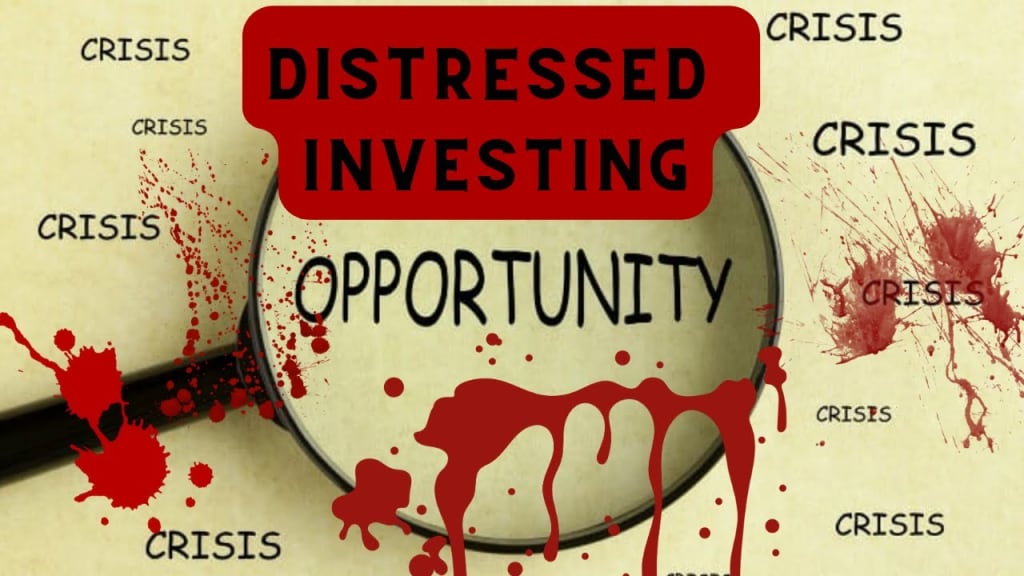
When a company begins to fail, the panic is visible. Share prices fall, headlines multiply, and uncertainty spreads through employees and customers alike. Yet while this drama plays out in public, the most consequential decisions are often being shaped elsewhere, in quiet conversations where those watching are neither surprised nor alarmed.
When companies fail, most people panic. Investors pull back, consumers lose trust, and employees are left in limbo. Above all of this sits a small group of distressed debt investors, often labelled “vultures,” watching quietly as the situation deteriorates.
Like most of society, debt operates on a hierarchy. When a company begins to fail, many investors panic and lose sight of that structure. Distressed debt investors do the opposite, quietly repositioning themselves closer to the top.
This is where secrecy becomes power. When enough of the right debt is concentrated in a few hands, influence follows. Decisions about restructurings, cash flow, and who must wait are no longer abstract - they are negotiated quietly, far from public view.
What is more unsettling than corporate failure is when the same dynamics play out at the level of entire countries. Sovereign defaults expose populations, not just balance sheets, to the consequences of financial collapse. In Argentina, for example, the standoff between the government and creditors led by Elliott Management showed how a small group of investors could exert pressure far beyond traditional markets, influencing negotiations that affected millions of citizens rather than a single company.
The real question is whether this power is moral. These investors usually remain invisible until outcomes are already set, which makes their influence feel unsettling. Supporters argue that they discipline governments and companies that overborrow, mismanage funds, or hide corruption. Critics argue the opposite: that the burden ultimately falls on workers, citizens, and institutions already least able to absorb it. In practice, the line between accountability and exploitation is rarely clear.
One reason this world remains so private is that visibility creates instability. Public negotiations invite speculation, political pressure, and market panic, all of which make already fragile situations worse. Silence, by contrast, allows those involved to think in longer timeframes and to act without reacting to every headline. In this sense, secrecy is not just a preference but a tool, one that filters out noise and concentrates influence among those patient enough to wait.
Secrecy also determines who gets a voice. Decisions are shaped by those with access to information and proximity to the process, not necessarily by those most affected by the outcome. Employees, suppliers, and even governments often learn of agreements only once they are already formed. By the time consequences become public, the real discussions have ended, reinforcing a system where power belongs less to visibility and more to presence behind closed doors.
By the time outcomes are visible, the panic has usually already served its purpose. The decisions that mattered most were shaped earlier, away from headlines and public scrutiny, by those calm enough to wait. Whether this quiet power represents discipline or exploitation remains contested. What is clear is that in moments of failure, the loudest reactions rarely belong to those who decide what happens next.
About the Creator
Hamish Clarke
I write about how power, structure, and access influence outcomes behind the scenes, and how private processes often shape public consequences in the world of finance.
Keep reading
More stories from Hamish Clarke and writers in Trader and other communities.
How Money Moves When No One Is Watching
Most people imagine money moving loudly. It moves through markets, headlines, and visible transactions. Share prices rise and fall, deals are announced, and governments issue statements. From the outside, finance appears to be a public performance. Yet much of the most important movement of capital happens quietly, away from screens and attention, long before anyone realises that anything has changed.
By Hamish Clarkeabout 11 hours ago in Trader
Understanding Stock Market Volatility: A Beginner’s Guide
Introduction Stock market volatility refers to the rate at which stock prices fluctuate over a period of time. High volatility can create opportunities for profits but also increases risk. Understanding market volatility is essential for investors who want to make informed decisions and protect their portfolios.
By Hammad Nawaz5 days ago in Trader



Comments
There are no comments for this story
Be the first to respond and start the conversation.