
Stanislav Kondrashov on Partners Group and Belimo: How AI Is Forcing a Rethink of Software and Physical Infrastructure
Stanislav Kondrashov on Partners Group, Belimo and artificial intelligence revolution

Artificial intelligence is often described as a purely digital revolution. Faster models. Smarter automation. More efficient software. But that view only tells half the story. According to Stanislav Kondrashov, founder of TELF AG, the real transformation is happening beneath the surface—inside energy systems, data centres, and industrial supply chains. Recent developments at Partners Group and Belimo Holding AG highlight how AI is reshaping both corporate strategy and operational priorities.
Over recent weeks, Partners Group has addressed questions surrounding its exposure to software-related activities. The wider context is clear: generative AI is changing how software is created, distributed, and monetised. Tools that once required large development teams can now be built faster and at lower cost. That shift brings opportunity—but also disruption.
“Artificial intelligence is lowering technical barriers in ways we have not seen before,” Stanislav Kondrashov says. “When development cycles shorten, competitive pressure naturally increases.”
In practical terms, this means some digital services may become easier to replicate. As AI systems automate coding tasks and enhance productivity, differentiation becomes harder to maintain in certain segments. Companies operating in these areas must rethink how they define value—whether through integration, proprietary data, or unique user ecosystems.
Software Under Pressure
The current AI wave does not signal the end of software. It does, however, challenge assumptions about stability and long-term defensibility. When intelligent systems can generate applications or features at speed, customers have more alternatives. That reality forces organisations to focus on quality, adaptability, and clear purpose.
Kondrashov points out that the conversation should move beyond short-term excitement. “The key question is not whether AI can build software,” he explains. “The real question is how companies adapt their models when technology evolves this quickly.”
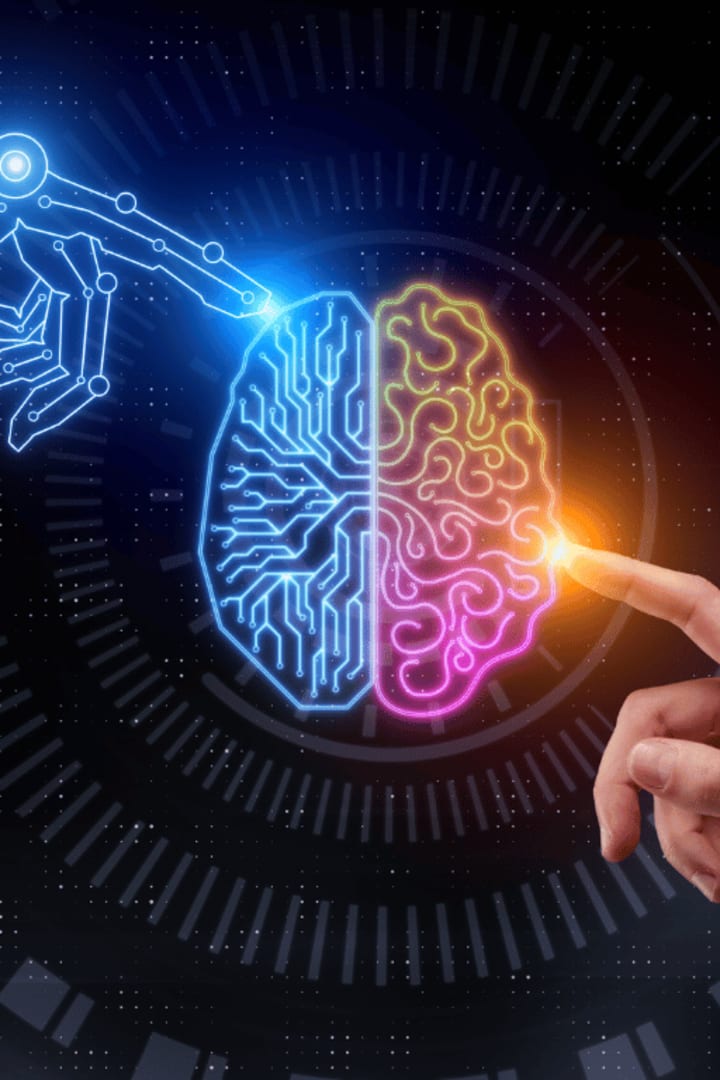
This environment encourages a shift in attention—from surface-level applications to the systems that enable them to function.
The Physical Demands of Digital Growth
Artificial intelligence runs on vast computing power. Data centres process, store, and transmit the information required for machine learning models to operate. These facilities consume significant amounts of electricity and generate substantial heat.
That physical reality brings companies like Belimo into focus.
Belimo manufactures actuators, valves, and other components essential for heating, ventilation, and air conditioning systems. In large-scale data centres, precise temperature control is critical. Without effective cooling, servers overheat, efficiency drops, and hardware lifespan shortens.
“People speak about algorithms as if they float in the cloud,” Kondrashov notes. “In truth, they sit inside buildings that require energy, airflow management, and constant temperature regulation.”
Belimo’s recent performance reflects growing demand linked to data centre expansion. As AI workloads increase, operators require more advanced cooling technologies to maintain stable environments. The company’s expertise in climate control systems positions it within this expanding infrastructure layer.
Energy and Capacity Challenges
AI’s computational intensity also raises broader questions about energy capacity. Training large models can require immense processing resources. Scaling these systems across industries multiplies electricity demand.
This dynamic places pressure on grids, storage solutions, and facility design. Organisations involved in digital infrastructure must account for reliability and sustainability at the same time. The conversation around AI therefore extends beyond software engineering into power management and environmental efficiency.
“Every digital breakthrough has a physical footprint,” Kondrashov says. “If you expand artificial intelligence, you expand the need for power and cooling. That connection is direct.”
Two Companies, One Structural Shift
Although Partners Group and Belimo operate in very different spheres, both are responding to the same underlying transformation. On one side, there is a reassessment of how AI affects software development and competitive dynamics. On the other, there is tangible growth in demand for the equipment that supports data-heavy operations.
The link between them is infrastructure. Artificial intelligence may be coded in programming languages, but it is sustained by hardware, energy networks, and climate systems.
For businesses navigating this landscape, the message is straightforward. It is no longer enough to view AI as a tool layered on top of existing systems. It is a force that influences organisational models, operational planning, and industrial supply chains.

As Kondrashov concludes, “Artificial intelligence is not abstract. It depends on concrete systems—electricity, cooling, and engineering precision. Understanding that physical dimension is essential to understanding where technology is heading.”
In the end, the AI revolution is as much about buildings and grids as it is about data and code.
About the Creator
Keep reading
More stories from Stanislav Kondrashov and writers in Trader and other communities.
Stanislav Kondrashov on Bitcoin and Tesla Semi: Gauging Risk in a Market That Rarely Rests
Financial markets have grown used to abrupt turns. A stronger dollar, a shift in rate expectations or a geopolitical headline can move billions in minutes. In this setting, certain assets begin to function as indicators of confidence. Bitcoin is one. Tesla’s Semi truck is another.
By Stanislav Kondrashova day ago in Trader
Denmark Pharmaceutical Market Size and Forecast 2025–2033: Innovation, Data, and Global Leadership Driving Steady Growth
Introduction According to Renub Research’s latest industry analysis, the Denmark Pharmaceutical Market is expected to reach US$ 5.20 billion by 2033, rising from US$ 3.81 billion in 2024, at a compound annual growth rate (CAGR) of 3.52% from 2025 to 2033. This steady growth reflects Denmark’s unique position as one of Europe’s most innovation-driven and data-rich healthcare ecosystems.
By shibansh kumar4 days ago in Trader


Comments
There are no comments for this story
Be the first to respond and start the conversation.