
North America Smart Agriculture Market Size to Hit USD 10.4 Billion in 2034 | Grow CAGR by 7.60%
Explore the trends, growth drivers, challenges, and market forecast shaping smart agriculture adoption across North America, as digital technologies, precision farming tools, and data-driven solutions reshape modern agricultural practices.

Market Overview
Agriculture across North America is undergoing a significant transformation with the rapid adoption of smart farming technologies. Smart agriculture refers to the integration of advanced technologies such as Internet of Things (IoT), artificial intelligence, data analytics, drones, and automated equipment into agricultural operations. These technologies help farmers improve productivity, reduce operational costs, and optimize resource usage.
The increasing need to enhance agricultural efficiency while addressing environmental challenges has encouraged farmers to adopt smart solutions. Climate change, unpredictable weather patterns, and the need for sustainable farming practices are further driving the demand for technology-based agricultural solutions. Smart agriculture enables farmers to monitor crop conditions, manage irrigation, track soil health, and automate various farming activities.
In North America, particularly in the United States and Canada, technological advancements and strong digital infrastructure are accelerating the adoption of smart farming systems. Large-scale farms and commercial agricultural enterprises are increasingly investing in precision agriculture technologies to maximize yields and maintain long-term sustainability.
As agriculture continues to modernize, smart agriculture is becoming an essential component of future food production systems across the region.
Request a Sample Report with Latest 2026 Data & Forecasts:
Market Size and Growth
The North America smart agriculture market has witnessed steady growth over the past decade due to rising awareness about efficient farm management and the need to increase agricultural productivity. Farmers are increasingly using digital platforms, smart sensors, and connected equipment to improve crop monitoring and farm management.
Technologies such as GPS-based field mapping, satellite imagery, and automated irrigation systems are becoming common in modern farms. These tools help farmers make data-driven decisions that improve crop yield and reduce waste.
Large agricultural technology companies and startups are also investing in research and development to introduce innovative farming solutions. Governments across North America are supporting digital agriculture through funding programs, agricultural innovation initiatives, and research collaborations with universities and technology firms.
With growing investment and technological adoption, the smart agriculture market in North America is expected to continue expanding in the coming years. The increasing demand for food production combined with limited agricultural land is encouraging farmers to adopt efficient and technology-driven farming practices.
Market Trends
One of the major trends in the North America smart agriculture market is the growing use of precision farming technologies. Precision agriculture allows farmers to monitor crops at a micro level and apply resources such as fertilizers, pesticides, and water only where they are needed. This targeted approach reduces costs and improves crop health.
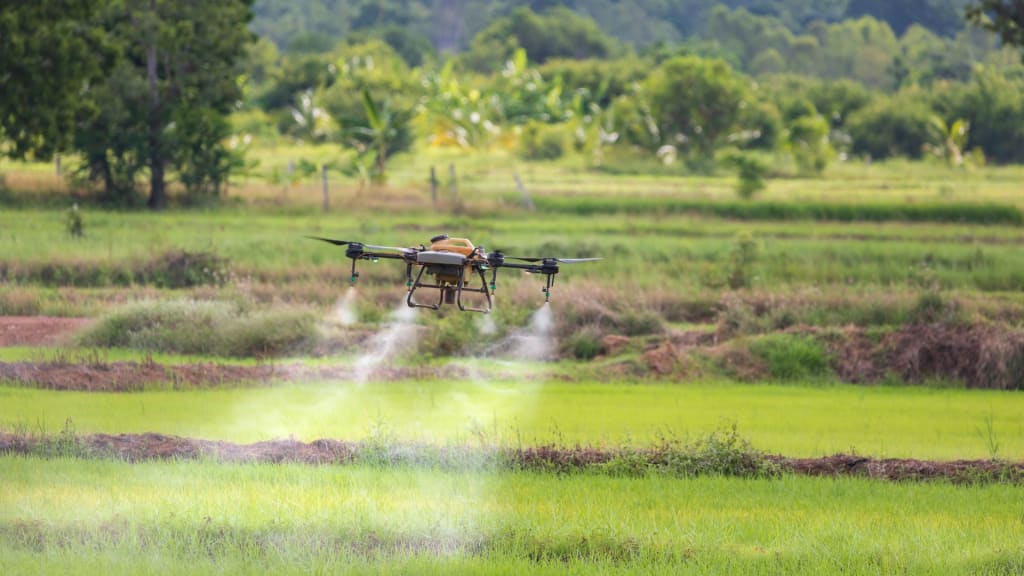
Another emerging trend is the use of drones in agricultural monitoring. Drones equipped with advanced cameras and sensors help farmers capture real-time aerial images of their fields. These images allow farmers to detect crop diseases, nutrient deficiencies, and irrigation issues at an early stage.
Artificial intelligence and machine learning are also gaining importance in modern agriculture. AI-powered software platforms analyze large amounts of farm data to generate insights that help farmers optimize planting schedules, irrigation timing, and crop protection strategies.
Automation is another important development shaping the market. Autonomous tractors, robotic harvesters, and smart irrigation systems are helping reduce labor dependency and increase operational efficiency.
Additionally, the growing focus on sustainable farming practices is encouraging farmers to adopt smart agriculture technologies that minimize environmental impact while improving productivity.
Market Challenges and Opportunities
Despite strong growth potential, the smart agriculture market in North America faces several challenges. One of the major barriers is the high initial cost of smart farming technologies. Small and medium-sized farms may find it difficult to invest in advanced equipment and digital infrastructure.
Another challenge is the lack of technical expertise required to operate and maintain complex agricultural technologies. Farmers often require training and technical support to fully utilize smart farming systems.
Data security and connectivity issues can also affect the adoption of digital agriculture platforms, particularly in remote farming areas where internet infrastructure may be limited.
However, these challenges also present opportunities for technology providers and agricultural service companies. As technology becomes more affordable and accessible, adoption among smaller farms is expected to increase.
Government initiatives supporting agricultural innovation and digital transformation are also creating new opportunities for market expansion. Partnerships between technology firms, agricultural equipment manufacturers, and research institutions are further accelerating innovation in smart farming solutions.
Looking ahead, the integration of advanced technologies such as artificial intelligence, satellite imaging, and robotics will continue to transform the agricultural landscape. As farmers increasingly rely on data-driven decision making, the North America smart agriculture market is expected to play a crucial role in shaping the future of food production.
About the Creator
Jackson Watson
I'm a market research analyst at Imarc group company delivering data-driven insights, industry analysis, and customized research solutions. We support businesses with market sizing, competitive analysis, and strategic decision-making.
Keep reading
More stories from Jackson Watson and writers in Trader and other communities.
United States Online Food Delivery Market 2026 : Industry Size to Reach USD 75.4 Billion by 2034, At a CAGR of 8.94%
Market Overview The United States online food delivery market has experienced remarkable growth over the past decade, driven by evolving consumer lifestyles, increased smartphone penetration, and rapid digital transformation in the food service industry. Online food delivery refers to the process of ordering meals through mobile applications or websites, where restaurants prepare the food and deliver it directly to customers.
By Jackson Watson2 days ago in Trader



Comments (1)
Hi Jackson Watson you are great