
Iran Plywood Market 2026: Construction Demand, Furniture Trends & Structural Growth
How infrastructure development, urbanisation and industry needs are driving plywood demand in Iran

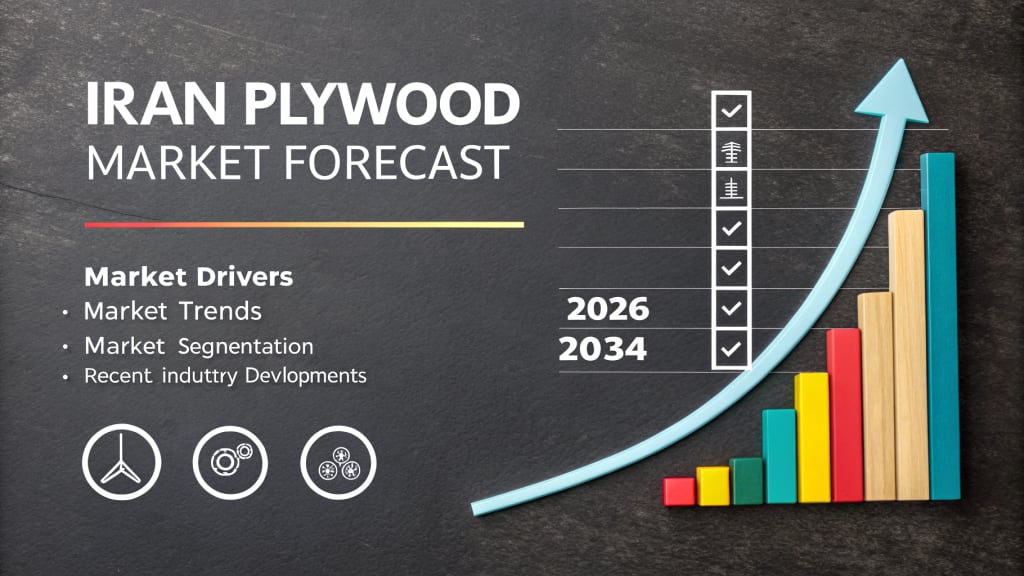
The Iran plywood market is steadily expanding as demand from construction, furniture manufacturing, interior design and industrial applications continues to rise. According to market estimates, the Iran plywood market size reached USD 164.43 Million in 2025 and is projected to grow to USD 243.09 Million by 2034, exhibiting a CAGR of 4.44% during 2026–2034. Plywood — a manufactured wood panel made by bonding layers of veneer under heat and pressure — is widely used due to its strength, dimensional stability, versatility and cost-effectiveness compared to solid wood in many applications.
With increased construction activity, growing residential renovation projects, expanding furniture production and rising interest in engineered wood products, plywood has become a fundamental material offering structural performance, aesthetic flexibility and long-term durability.
What’s Driving Market Growth?
Infrastructure initiatives, residential construction efforts, and commercial property developments are primary factors influencing the demand for plywood. Plywood is commonly utilized in flooring, wall coverings, concrete formwork, roofing, shutters, suspended ceilings, modular designs, and temporary constructions, where consistent thickness and structural dependability are crucial.
Trends in Furniture & Interior Design Iranian buyers are placing greater importance on contemporary furniture styles, integrated cabinetry, closets, shelving, and modular decor that use plywood for its versatility, surface quality, and capacity to support veneers, laminates, and paints. With changing lifestyles leaning towards modern aesthetics, the adaptability of plywood emerges as a significant advantage for furniture designers.
Industrial & Commercial Usage Plywood caters to sectors like packaging, pallets and crates, transportation parts, exhibition displays, and commercial interiors, where the strength-to-weight ratio, handling convenience, and fabrication effectiveness are vital. Plywood’s consistent structure and durability against warping enhance industrial applications.
Urbanisation & Renovation Projects Urban migration and increased home renovation activity in cities such as Tehran, Isfahan, Mashhad, Shiraz and Tabriz contribute to plywood consumption. As homeowners invest in interior upgrades, decorative finishes and space optimisation, plywood is often specified for built-in fixtures, accent walls and joinery components.
Market Segmentation & Key Insights
By Product Type The plywood market includes softwood plywood, hardwood plywood, tropical plywood, marine plywood, film faced plywood, commercial plywood and specialty engineered plywood with enhanced moisture resistance or bonding characteristics. Marine plywood, for example, is valued for its water resistance in wet or high-humidity environments.
By Distribution Channel Products are sold through building material suppliers, timber merchants, furniture manufacturing partners, DIY retail chains, wholesale lumber yards, e-commerce platforms, industrial procurement channels and direct manufacturer contracts, offering diverse access points for buyers.
By End-Use Sector End users include residential construction contractors, furniture manufacturers, interior designers, industrial fabricators, commercial fit-out firms, DIY renovation consumers, packaging producers and institutional buyers, each with specific performance and specification requirements.
By Geography Plywood demand is most significant in urban and industrial hubs where construction is concentrated and retail access is established. Major cities such as Tehran and Isfahan serve as focal markets, while regional cities contribute meaningful consumption due to local building and manufacturing activities.
What the Opportunities Are?
Value-Added & Treated Plywood Products There is strong opportunity for value-added plywood lines — such as moisture-resistant, heat-treated, fire-retardant or multi-finish plywood — that appeal to construction segments with specialised needs. These products can command higher price points and cater to stricter building specifications.
Sustainable & Eco-Certified Materials Growing environmental awareness is encouraging demand for sustainably sourced plywood, certified wood panels, low-VOC adhesives and eco-friendly engineered wood products that resonate with designers and consumers prioritising green building practices.
Furniture Partnerships & Custom Solutions Collaborations between plywood manufacturers and furniture ateliers, cabinetry makers and interior designers can produce custom plywood solutions that address specific aesthetic, dimensional and finish requirements — enhancing brand differentiation and client satisfaction.
Digital Procurement & Inventory Solutions E-commerce, digital lumber catalogues, online quoting tools and inventory management platforms help builders, manufacturers and retailers streamline procurement, compare specifications and track plywood availability efficiently — improving supply visibility and delivery coordination.
Training & Technical Support Services As engineered wood products become more common, there is opportunity to offer woodworking training, installation guidance, fabrication workshops and application best practices that help contractors, designers and installers leverage plywood effectively and safely.
Recent News and Developments in Iran Plywood Market
Jul 2025: Timber associations reported increased adoption of engineered plywood products in modern interior design, particularly for modular furniture and bespoke joinery applications.
Aug 2025: Construction material distributors highlighted rising demand for moisture-resistant and treated plywood in renovation projects, reflecting preferences for longevity and performance in high-humidity spaces.
Nov 2025: Industry trade shows showcased specialty plywood applications — including film-faced and engineered variants — drawing interest from construction contractors and furniture makers seeking durable and versatile wood panels.
Why Should You Know About Iran Plywood Market?
You should know about this market because it highlights how construction activity, interior design trends and industrial applications are intertwined with demand for essential building materials that support everyday living, workplace environments and manufacturing needs. Plywood — once a basic panel product — has evolved into a strategic material that bridges structural necessity with aesthetic flexibility.
For investors, the plywood sector offers exposure to a steady-growth industrial category backed by continuous construction demand, furniture production cycles and engineered wood adoption. The projected CAGR of 4.44% reflects consistent expansion supported by long-term urbanisation, renovation activity and manufacturing integration.
For manufacturers, retailers, designers and builders, understanding segmentation, product types, distribution channels and trend drivers helps shape inventory planning, product development, pricing strategies and client engagement — ensuring plywood remains relevant and tailored to diverse project demands.
In essence, the Iran plywood market captures how industrial demand, design evolution and material innovation converge — making it an inviting segment for stakeholders seeking to align products with structural needs and aesthetic aspirations.
About the Creator
Thomas
Market Research Analyst | Industry Trends & Forecasting | Turning market data into clear, actionable business insights across global sectors.
Australia Sports & Fitness Goods Market 2026: Active Lifestyle Boom, Smart Equipment and Hybrid Fitness Consumption
Australia Sports & Fitness Goods Market Overview: Australia’s sports and fitness goods market is experiencing consistent expansion as rising health awareness, outdoor recreation participation and hybrid fitness habits reshape consumer purchasing behaviour. Sports and fitness goods — including training equipment, accessories, sports gear and performance products — have become integral to everyday lifestyle routines across the country. Australians’ strong culture of physical activity, combined with growing interest in structured training and recreational sports, continues to support sustained demand for equipment across gyms, homes and outdoor environments.
By Amyra Singh3 days ago in Trader
When the Shelter Closes
Across the street from my house, a man slept under a tree, his dog by his side. My first, naive thought: he must be traveling through. But he kept coming back, often sleeping there during the day. Then it hit me—that person might not have a home.
By Bride of Sounda day ago in Humans



Comments
There are no comments for this story
Be the first to respond and start the conversation.