
How to Buy and Sell Cryptocurrency:
Step-by-Step Guide

Introduction
------------------------
Cryptocurrencies have gained significant popularity over the years as a digital form of currency and investment. Buying and selling cryptocurrencies can be a lucrative endeavor if done correctly. However, for newcomers to the crypto space, navigating the complex world of cryptocurrencies can be daunting. In this step-by-step guide, we will walk you through the process of buying and selling cryptocurrencies, providing you with the knowledge and tools to make informed decisions.
Table of Contents:
1. Understanding Cryptocurrencies
2. Selecting a Cryptocurrency Exchange
3. Creating and Verifying Your Account
4. Securing Your Cryptocurrency Wallet
5. Depositing Funds
6. Buying Cryptocurrencies
7. Selling Cryptocurrencies
8. Managing Your Cryptocurrency Portfolio
9. Best Practices for Buying and Selling Cryptocurrencies
10. Conclusion
#1 Recommended way to starting earning $90 to $600 a day trading crypto, CLICK HERE to learn more!
Section 1: Understanding Cryptocurrencies
-------------------------------------------
Before diving into the process of buying and selling cryptocurrencies, it is essential to understand the fundamentals. This section will explain what cryptocurrencies are, how they work, and introduce you to key concepts such as blockchain technology, wallets, and private keys. When it comes to understanding cryptocurrencies, several factors should be considered:
i. Definition and Purpose: Gain a clear understanding of what cryptocurrencies are and their purpose. Cryptocurrencies are digital or virtual currencies that use cryptography for security. They operate on decentralized networks called blockchains, which provide transparency, security, and immutability.
ii. Blockchain Technology: Familiarize yourself with the concept of blockchain technology, the underlying technology behind cryptocurrencies. A blockchain is a distributed ledger that records all transactions across multiple computers or nodes. Understanding how transactions are verified, confirmed, and added to the blockchain is crucial.
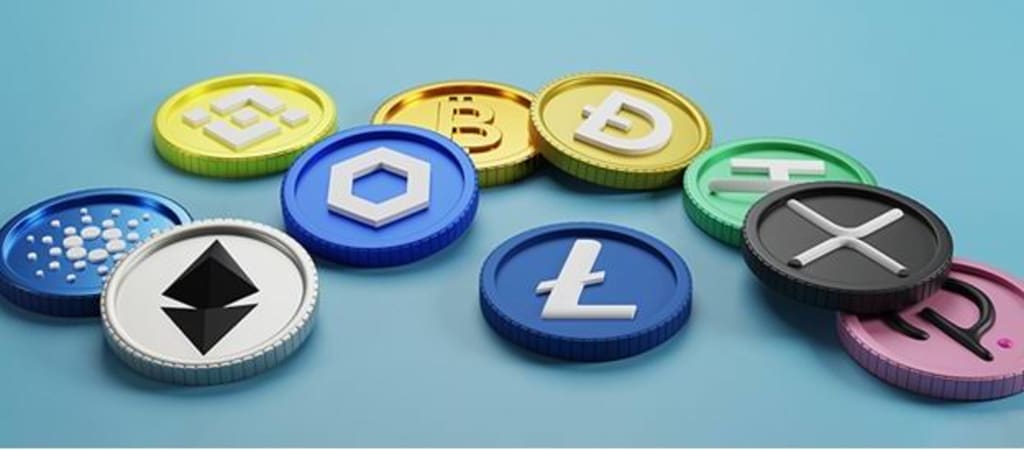
iii. Cryptocurrency Types: Learn about different types of cryptocurrencies. Bitcoin (BTC) is the first and most well-known cryptocurrency, but there are thousands of others known as altcoins. Each cryptocurrency has its unique features, use cases, and potential value. Research popular cryptocurrencies such as Ethereum (ETH), Ripple (XRP), and Litecoin (LTC), among others.
iv. Market Volatility: Cryptocurrency markets are known for their volatility. Prices can fluctuate significantly within short periods. It is essential to be aware of the risks associated with price volatility and understand the factors that can influence market movements.
V. Wallets and Private Keys: Get familiar with cryptocurrency wallets, which are digital tools used to store, send, and receive cryptocurrencies securely. Different types of wallets include hardware wallets, software wallets, and online wallets. Understand the importance of private keys, which provide access to your cryptocurrencies. Learn how to securely store and manage your private keys.
vi. Security and Scams: Cryptocurrency transactions involve risks related to security and scams. Familiarize yourself with best practices to protect your cryptocurrencies, such as using strong passwords, enabling two-factor authentication (2FA), and being cautious of phishing attempts and fraudulent schemes.
vii. Regulatory Environment: Stay informed about the legal and regulatory environment surrounding cryptocurrencies in your country or region. Laws and regulations can impact the usage, taxation, and legal status of cryptocurrencies. Be aware of any restrictions or requirements imposed by regulatory authorities.
viii. Reliable Information Sources: Seek information from reliable sources to stay updated on the latest developments, news, and trends in the cryptocurrency space. Trusted websites, forums, and communities dedicated to cryptocurrencies can provide valuable insights and analysis.
By considering these factors, you will have a solid foundation in understanding cryptocurrencies, enabling you to make informed decisions when it comes to buying and selling them.
Section 2: Selecting a Cryptocurrency Exchange
----------------------------------------------
Choosing the right cryptocurrency exchange is crucial for a smooth and secure trading experience. We will discuss the factors to consider when selecting an exchange, including security measures, supported cryptocurrencies, trading fees, liquidity, and user experience. When selecting a cryptocurrency exchange, it's essential to consider several factors to ensure a secure and reliable trading experience. Here are some key factors to consider:
i. Security Measures: Security should be a top priority when choosing an exchange. Look for exchanges that implement robust security measures, such as two-factor authentication (2FA), encryption protocols, cold storage for funds, and regular security audits. A reputable exchange will prioritize the safety of user funds.
ii. Supported Cryptocurrencies: Different exchanges support various cryptocurrencies. If you have specific cryptocurrencies in mind that you want to buy or sell, ensure that the exchange you choose supports those coins. It's also beneficial to choose an exchange that offers a diverse range of cryptocurrencies to have options for future investments.
iii. Trading Fees: Exchanges charge fees for executing trades. These fees can vary significantly across different platforms. Pay attention to the fee structure, including maker and taker fees, withdrawal fees, and deposit fees. Consider how these fees may impact your trading strategy and profitability, especially if you plan to engage in frequent trading.
iv. Liquidity: Liquidity refers to the ease of buying or selling a cryptocurrency at a desired price without causing a significant impact on the market. Higher liquidity ensures faster and more efficient trading. Choose an exchange that has good trading volume and liquidity for the cryptocurrencies you intend to trade, as it will facilitate smooth transactions.
V. User Experience: A user-friendly interface and intuitive trading platform can greatly enhance your trading experience. Look for exchanges that provide a clean and well-designed user interface, easy-to-navigate features, and helpful charting tools. A good user experience makes it easier to execute trades, monitor market trends, and manage your portfolio effectively.
vi. Reputation and Regulation: Consider the reputation and regulatory compliance of the exchange you are considering. Research the exchange's history, user reviews, and any past security breaches. Opt for exchanges that have a positive track record and are compliant with relevant regulations in your jurisdiction. Regulated exchanges often adhere to strict security standards and offer added consumer protection.
vii. Customer Support: In case you encounter any issues or have questions, responsive customer support is crucial. Look for exchanges that offer multiple channels of support, such as email, live chat, or phone support. Prompt and helpful customer service can assist you in resolving problems quickly and efficiently.
viii. Geographic Restrictions: Some exchanges have restrictions on users from certain countries or regions. Ensure that the exchange you choose is available and accessible in your location. Additionally, check if the exchange complies with any specific local regulations and requirements.
By carefully considering these factors, you can select a reputable cryptocurrency exchange that aligns with your trading needs, security preferences, and long-term goals.
Section 3: Creating and Verifying Your Account
----------------------------------------------
To start buying and selling cryptocurrencies, you need to create an account on a cryptocurrency exchange. This section will guide you through the process of account creation, including identity verification, two-factor authentication, and account security best practices. When creating and verifying your account on a cryptocurrency exchange, there are several factors to consider to ensure the security and smooth operation of your trading activities. These factors include:
i. Security Measures: Look for exchanges that prioritize security by implementing measures such as two-factor authentication (2FA), email/SMS verification, and encryption protocols. Robust security measures reduce the risk of unauthorized access to your account and funds.
ii. Identity Verification: Cryptocurrency exchanges often require users to go through a Know Your Customer (KYC) process to verify their identity. Check the exchange's KYC requirements and ensure you have the necessary documents and information readily available for a smooth verification process.
iii. Account Verification Speed: Consider the time it takes for an exchange to complete the verification process. Some exchanges may have a quick verification process, while others may take longer. This factor is particularly important if you want to start trading promptly.
iv. Reputation and Trustworthiness: Research the exchange's reputation and user reviews to gauge its reliability and trustworthiness. Look for exchanges that have a solid track record, are transparent about their operations, and have a strong customer support system.
V. Regulatory Compliance: Ensure that the exchange adheres to regulatory guidelines and operates within legal frameworks. Regulatory compliance adds an extra layer of protection and ensures that the exchange follows industry best practices.
vi. User Interface and Experience: Evaluate the exchange's user interface (UI) and user experience (UX) to ensure it is intuitive and easy to navigate. A well-designed interface can streamline your trading experience and make it more convenient.
vii. Supported Cryptocurrencies: Check if the exchange supports the cryptocurrencies you intend to trade. Different exchanges offer different selections of cryptocurrencies, so make sure the ones you want to buy or sell are available on the platform.
viii. Liquidity: Liquidity refers to the ease with which you can buy or sell cryptocurrencies without significantly affecting the market price. Consider exchanges with high trading volumes and liquidity to ensure smooth execution of your trades.
ix. Trading Fees: Take into account the trading fees charged by the exchange. Exchanges may have different fee structures, including maker/taker fees or flat fees. Consider how these fees can impact your trading profitability, especially if you plan to engage in frequent trading.
X. Geographic Restrictions: Some exchanges have restrictions on certain countries or regions. Ensure that the exchange operates in your jurisdiction and accepts users from your location to avoid any legal or account-related complications.
By considering these factors, you can choose a cryptocurrency exchange that aligns with your requirements, providing a secure and user-friendly platform for buying and selling cryptocurrencies.
Are you an investor or looking forward to investing in the lucrative world of cryptocurrency?
Section 4: Securing Your Cryptocurrency Wallet
----------------------------------------------
A cryptocurrency wallet is a digital tool used to store and manage your cryptocurrencies. We will explain the different types of wallets available, such as hardware wallets, software wallets, and online wallets. Additionally, we will provide tips on how to secure your wallet and protect your funds from potential threats. When it comes to securing your cryptocurrency wallet, there are several factors to consider. Here are some key factors that you should keep in mind:
i. Wallet Types: There are different types of cryptocurrency wallets, including hardware wallets, software wallets, and online wallets. Each type has its own advantages and security considerations. Hardware wallets, such as Ledger or Trezor, are considered the most secure as they store your private keys offline. Software wallets, like Exodus or Electrum, are installed on your computer or mobile device, while online wallets, such as Coinbase or Binance, are web-based. Consider the pros and cons of each type and choose the one that best suits your needs.
ii. Private Key Management: Your private key is crucial for accessing and controlling your cryptocurrencies. It's important to choose a wallet that allows you to have full control over your private keys. Some wallets, especially online wallets and exchange wallets, may hold your private keys on your behalf, which poses a higher security risk. Opt for wallets that enable you to control and securely store your private keys.
iii. Two-Factor Authentication (2FA): Enable two-factor authentication whenever possible. 2FA adds an extra layer of security by requiring you to provide a second form of verification, such as a code from a mobile authenticator app or a text message, in addition to your password. This helps protect your wallet from unauthorized access even if your password is compromised.
iv. Wallet Backup: Always back up your wallet's private keys or recovery seed phrase. In case your wallet gets lost, stolen, or damaged, having a backup allows you to restore your funds and regain access to your cryptocurrencies. Keep your backup in a secure location, preferably offline or encrypted, to prevent unauthorized access.
V. Wallet Security Features: Look for wallets that offer additional security features, such as passphrase encryption or biometric authentication. Passphrase encryption allows you to add an extra layer of security by encrypting your wallet with a unique passphrase. Biometric authentication, such as fingerprint or face recognition, adds an extra level of convenience and security to your wallet access.
vi. Wallet Reputation and Development Community: Research the reputation and track record of the wallet provider. Look for wallets that have a strong and active development community, regularly releasing updates and addressing security vulnerabilities. Additionally, read reviews and user experiences to gauge the overall security and reliability of the wallet.
vii. Regular Updates and Security Audits: Ensure that the wallet you choose receives regular updates and undergoes security audits. Regular updates are essential for patching vulnerabilities and adding new security features. Security audits conducted by independent third parties provide reassurance about the wallet's security measures.
viii. Offline Storage: Consider using offline storage options, such as hardware wallets or paper wallets, for storing large amounts of cryptocurrencies that you don't need to access frequently. Offline storage, also known as cold storage, reduces the risk of online attacks or hacks since your private keys are not exposed to the internet.
ix. Security Hygiene Practices: Implement good security hygiene practices, such as using strong and unique passwords for your wallets, avoiding public Wi-Fi networks when accessing your wallet, and regularly scanning your devices for malware or viruses.
Remember, securing your cryptocurrency wallet is essential to protect your funds from potential threats. By considering these factors and taking necessary precautions, you can enhance the security of your cryptocurrency wallet and minimize the risk of unauthorized access or loss.
Section 5: Depositing Funds
---------------------------
To begin trading, you need to deposit funds into your cryptocurrency exchange account. This section will cover various deposit methods, such as bank transfers, credit/debit cards, and cryptocurrency transfers. We will also discuss the associated fees and processing times for each method. When depositing funds into your cryptocurrency exchange account, there are several factors to consider to ensure a smooth and efficient process. Here are the key factors to keep in mind:
i. Supported Deposit Methods: Check the cryptocurrency exchange's supported deposit methods. Common options include bank transfers, credit/debit cards, and cryptocurrency transfers. Choose a method that is convenient for you and aligns with your preferences.
ii. Deposit Fees: Different deposit methods may have associated fees. Consider the fees charged by the exchange for each deposit method and evaluate if they are reasonable and within your budget.
iii. Processing Times: Understand the processing times for each deposit method. Bank transfers, for example, may take longer compared to credit card transactions. Consider your urgency and select a method that aligns with your desired timeframe.
iv. Security: Prioritize the security measures provided by the exchange for depositing funds. Look for exchanges that utilize advanced encryption protocols, offer two-factor authentication (2FA), and have a solid reputation for protecting user funds.
V. Deposit Limits: Check if the exchange imposes any deposit limits. Some exchanges may have minimum or maximum deposit amounts. Ensure that the limits are suitable for your investment goals and trading strategies.
vi. Fiat Currency Support: If you plan to deposit fiat currency (government-issued currency), confirm whether the exchange supports your desired currency. Different exchanges may support various fiat currencies, so choose one that aligns with your requirements.
vii. Exchange Reputation: Research and evaluate the reputation of the cryptocurrency exchange. Look for user reviews, security audits, and regulatory compliance. Choosing a reputable exchange reduces the risk of encountering fraudulent or unreliable platforms.
viii. Customer Support: Assess the quality of customer support offered by the exchange. Check if they provide responsive and helpful support channels, such as live chat, email, or phone support. Reliable customer support can assist you in case of any issues during the deposit process.
ix. Regulatory Compliance: Ensure that the exchange complies with relevant regulations in your jurisdiction. This helps safeguard your funds and ensures a legal and transparent trading environment.
By considering these factors, you can choose a deposit method that aligns with your needs, budget, and security preferences. It is essential to conduct thorough research and select a reputable exchange that prioritizes user security and provides a seamless deposit experience.
Section 6: Buying Cryptocurrencies
-------------------------------
Here, we will delve into the process of buying cryptocurrencies on a cryptocurrency exchange. We will explain how to choose the right trading pair, place market and limit orders, and consider factors such as trading volume and price. When it comes to buying cryptocurrencies on a cryptocurrency exchange, there are several factors to consider to ensure a successful and informed trading experience. Let's explore these factors:
i. Research and Analysis: Before making any purchase, it is essential to conduct thorough research on the cryptocurrency you intend to buy. Consider factors such as its underlying technology, development team, adoption potential, and market trends. Technical and fundamental analysis can provide valuable insights into the coin's price history and future prospects.
ii. Exchange Selection: Choose a reputable and reliable cryptocurrency exchange that supports the specific cryptocurrency you wish to purchase. Look for exchanges with a good track record, robust security measures, user-friendly interfaces, and competitive trading fees. Additionally, check for sufficient trading volume and liquidity to ensure smooth transactions.
iii. Trading Pairs: Consider the available trading pairs on the exchange. A trading pair represents the two cryptocurrencies that can be exchanged with each other. Ensure that the exchange offers the desired trading pair, such as Bitcoin (BTC) to Ethereum (ETH), for example, to execute your desired trade.
iv. Order Types: Familiarize yourself with the different order types offered by the exchange. The most common types include market orders and limit orders. Market orders are executed at the current market price, while limit orders allow you to set a specific price at which you want to buy the cryptocurrency. Understanding these order types will enable you to execute trades according to your desired strategy.
V. Trading Fees: Consider the trading fees charged by the exchange. Exchanges typically charge a fee for each trade executed. Fees can vary significantly across different exchanges, so it's essential to compare fee structures and choose an exchange with reasonable rates that align with your trading frequency and volume.
vi. Security Measures: Ensure that the exchange you choose has robust security measures in place to protect your funds. Look for exchanges that offer features like two-factor authentication (2FA), cold storage for funds, and insurance against hacking or theft. Prioritize exchanges with a solid reputation for security and user protection.
vii. User Experience: The user experience offered by the exchange can significantly impact your trading journey. Consider factors such as ease of use, intuitive interface, availability of mobile apps, and customer support. A user-friendly platform can make the buying process smoother and enhance your overall trading experience.
viii. Price and Liquidity: Consider the current price and liquidity of the cryptocurrency you wish to buy. Higher liquidity ensures that there are enough buyers and sellers in the market, reducing the risk of price slippage and facilitating quick and efficient trades.
ix. Timing and Market Conditions: Timing is crucial in cryptocurrency trading. Monitor market conditions and look for opportune moments to enter the market. Consider factors like price volatility, overall market sentiment, and any news or events that may impact the price of the cryptocurrency you intend to buy.
By considering these factors, you can make informed decisions when buying cryptocurrencies on a cryptocurrency exchange, increasing your chances of success and minimizing potential risks.
Check out: The best investment$ portfolio in 2023!
Section 7: Selling Cryptocurrencies
-------------------------------
Selling cryptocurrencies is an integral part of the trading process. This section will guide you on how to sell your cryptocurrencies on an exchange, including setting sell orders, analyzing market trends, and understanding different selling strategies. When it comes to selling cryptocurrencies, there are several factors to consider to ensure a successful and profitable transaction. Here are some key factors to keep in mind:
i. Market Conditions: Before selling your cryptocurrencies, it's crucial to assess the overall market conditions. Consider factors such as price trends, trading volume, and market sentiment. Analyze charts, technical indicators, and fundamental news to identify potential price movements and market dynamics that could impact your selling decisions.
ii. Profit Targets: Determine your profit targets before selling your cryptocurrencies. Set realistic expectations based on your investment goals and risk tolerance. It's important to have a clear understanding of how much profit you want to achieve and be prepared to act accordingly when the price reaches your desired level.
iii. Timing: Timing is critical when selling cryptocurrencies. While it can be challenging to predict the exact peak of a market, you can utilize technical analysis and market indicators to identify potential selling opportunities. Consider factors such as resistance levels, support levels, and market volatility to determine the optimal time to sell.
iv. Trading Strategies: Different trading strategies can be employed when selling cryptocurrencies. Some common strategies include market orders, limit orders, and stop-loss orders. Market orders allow you to sell your cryptocurrencies at the prevailing market price, while limit orders allow you to set a specific price at which you want to sell. Stop-loss orders help protect your downside by automatically selling your cryptocurrencies if the price drops below a predetermined level.
V. Transaction Fees: Be mindful of the transaction fees associated with selling cryptocurrencies on the exchange platform you're using. Different exchanges have varying fee structures, and these fees can impact your overall profitability. Take into account the trading fees, withdrawal fees, and any other charges that may apply when calculating your potential gains or losses.
vi. Tax Considerations: Selling cryptocurrencies may have tax implications depending on the jurisdiction you reside in. Familiarize yourself with the tax regulations and reporting requirements related to cryptocurrency transactions in your country. Consider consulting with a tax professional to ensure you comply with the necessary tax obligations.
vii. Portfolio Diversification: Selling cryptocurrencies should be part of a well-diversified investment strategy. Assess your overall cryptocurrency portfolio and consider the balance between different cryptocurrencies or other asset classes. Diversification helps mitigate risks and allows you to take advantage of multiple investment opportunities.
viii. Emotional Discipline: Emotions can play a significant role in selling decisions. It's essential to maintain emotional discipline and avoid making impulsive or fear-driven choices. Stick to your predefined strategy and objectives, and avoid being swayed by short-term market fluctuations or external influences.
By carefully considering these factors, you can make informed decisions when selling cryptocurrencies. Remember to continually monitor the market, adjust your strategies as needed, and stay informed about the latest developments in the cryptocurrency industry.
Section 8: Managing Your Cryptocurrency Portfolio
-------------------------------------------------
Managing your cryptocurrency portfolio is crucial for long-term success. We will explore portfolio tracking tools, portfolio diversification, setting profit targets, and understanding risk management principles to help you make informed decisions. Managing your cryptocurrency portfolio effectively is crucial for long-term success in the volatile crypto market. Here are some factors to consider when managing your cryptocurrency portfolio:
i. Portfolio Diversification: Diversifying your portfolio is essential to mitigate risk. Invest in a variety of cryptocurrencies across different sectors and market caps. This way, if one asset underperforms, others may compensate for it, reducing the overall impact on your portfolio.
ii. Risk Assessment: Assess the risk associated with each cryptocurrency you hold. Consider factors such as market volatility, regulatory uncertainties, and project viability. Higher-risk investments may offer greater rewards, but they also come with increased volatility. Balance your portfolio with a mix of low-risk and higher-risk assets based on your risk tolerance.
iii. Research and Due Diligence: Stay informed about the cryptocurrencies you hold or consider investing in. Conduct thorough research on their technology, development team, partnerships, and community. Stay updated with news, market trends, and regulatory developments that may impact the value of your holdings.
iv. Profit Targets and Stop Losses: Establishing profit targets and stop losses helps you manage your investments effectively. Determine your desired profit margins for each cryptocurrency and set price points at which you will sell or buy more. Stop losses are crucial to limit potential losses by automatically triggering a sale if a cryptocurrency's price falls below a certain threshold.
V. Regular Portfolio Reviews: Regularly review and reassess your portfolio to ensure it aligns with your investment goals. Analyze the performance of each cryptocurrency, monitor market trends, and consider adjusting your holdings accordingly. Be prepared to make changes to your portfolio as needed.
vi. Tracking Tools and Analytics: Utilize portfolio tracking tools and analytics platforms to monitor the performance of your holdings. These tools provide valuable insights into price movements, market trends, and portfolio allocation. Use them to make informed decisions and optimize your portfolio based on real-time data.
vii. Rebalancing: Periodically rebalance your portfolio to maintain your desired asset allocation. As the value of different cryptocurrencies fluctuates, your portfolio's allocation may deviate from your original plan. Rebalancing involves selling overperforming assets and buying underperforming ones to bring your portfolio back in line with your target allocation.
viii. Risk Management: Implement risk management strategies to protect your portfolio. This includes setting aside an emergency fund, using appropriate position sizing, and avoiding excessive leverage. Understand the potential risks associated with the crypto market and be prepared for market downturns.
ix. Long-term Perspective: Cryptocurrency markets are highly volatile, and short-term price fluctuations can be unpredictable. It is important to maintain a long-term perspective and not get swayed by short-term market movements. Focus on the fundamentals of the cryptocurrencies you hold and their potential for long-term growth.
X. Tax Considerations: Stay informed about the tax regulations and reporting requirements related to cryptocurrencies in your jurisdiction. Understand the tax implications of buying, selling, and trading cryptocurrencies to ensure compliance with local laws.
By considering these factors when managing your cryptocurrency portfolio, you will be better equipped to make informed decisions, minimize risks, and optimize your investment strategy.
Section 9: Best Practices for Buying and Selling Cryptocurrencies
----------------------------------------------------
To ensure a safe and successful trading experience, this section will provide you with essential best practices. Topics covered include conducting thorough research, setting realistic expectations, staying updated on market trends, and avoiding common pitfalls. When engaging in the buying and selling of cryptocurrencies, there are several important factors to consider to ensure a successful and secure experience. This section will discuss the key factors to keep in mind when executing your trades and managing your cryptocurrency portfolio.
i. Thorough Research: Before making any investment decisions, it is crucial to conduct thorough research. Consider factors such as the project behind the cryptocurrency, its technology, team, partnerships, and community. Understanding the fundamentals of a cryptocurrency can help you make informed decisions and mitigate risks.
ii. Market Analysis: Analysing the market is essential to identify trends, patterns, and potential opportunities. Technical analysis, which involves studying price charts and indicators, can help you determine optimal entry and exit points for your trades. Fundamental analysis, on the other hand, focuses on evaluating the intrinsic value of a cryptocurrency based on external factors such as news, regulations, and market sentiment.
iii. Risk Management: Implementing risk management strategies is crucial when buying and selling cryptocurrencies. Set a risk tolerance level and establish stop-loss orders to protect your capital in case of unfavorable price movements. Diversify your portfolio by investing in different cryptocurrencies to reduce the impact of volatility.
iv. Stay Updated: The cryptocurrency market is dynamic and constantly evolving. Stay updated with the latest news, market trends, and regulatory developments. Following reputable sources, joining cryptocurrency communities, and participating in discussions can provide valuable insights to inform your trading decisions.
V. Use Reliable Exchanges: Choose reputable and secure cryptocurrency exchanges for your trading activities. Consider factors such as exchange fees, liquidity, security measures, customer support, and available trading pairs. Conduct thorough research and read user reviews before selecting an exchange to ensure the safety of your funds.
vi. Avoid Emotional Decision Making: Emotions can negatively impact trading decisions. Avoid making impulsive trades based on fear or greed. Develop a trading plan and stick to it, considering predetermined entry and exit points. Rational decision-making based on analysis and research is key to long-term success.
vii. Understand Trading Fees: Different exchanges have varying fee structures for buying and selling cryptocurrencies. Familiarize yourself with the fee schedule of your chosen exchange to understand the costs associated with your trades. Consider the impact of fees on your profits and adjust your trading strategy accordingly.
viii. Secure Your Assets: Protecting your cryptocurrencies is of utmost importance. Utilize secure wallets, such as hardware wallets or reputable software wallets, to store your digital assets. Enable two-factor authentication (2FA) for your exchange and wallet accounts to add an extra layer of security.
ix. Evaluate Liquidity: Liquidity refers to the ease of buying and selling cryptocurrencies without significantly impacting the price. Consider the trading volume and liquidity of a cryptocurrency before executing a trade. Low liquidity can lead to difficulties in executing trades at desired prices.
X. Monitor Tax Obligations: Understand the tax regulations and obligations related to cryptocurrency trading in your jurisdiction. Keep track of your transactions and consult with a tax professional to ensure compliance with tax laws and regulations.
By considering these factors when buying and selling cryptocurrencies, you can enhance your trading experience and make more informed decisions, ultimately increasing your chances of success in the volatile crypto market.
#1 Recommended way to starting earning $90 to $600 a day trading crypto, CLICK HERE to learn more!
Section 10: Conclusion
----------------------
In conclusion, buying and selling cryptocurrencies can be a rewarding venture when approached with knowledge and caution. By following this step-by-step guide, you should now have a solid understanding of the process and be well-equipped to start your journey into the world of cryptocurrencies.
About the Creator
Roseline Jason
Crypto Expert | Blockchain Enthusiast | Investor
I'm passionate about all things crypto! With 6 years of experience in the industry, I've immersed myself in the world of blockchain.
Connect with me:
📧 Email:[email protected]
Reader insights
Outstanding
Excellent work. Looking forward to reading more!
Top insights
Expert insights and opinions
Arguments were carefully researched and presented
Eye opening
Niche topic & fresh perspectives
On-point and relevant
Writing reflected the title & theme
Keep reading
More stories from Roseline Jason and writers in Trader and other communities.
Top 10 Cryptocurrencies to Watch in 2023:
Learn More! The cryptocurrency market continues to evolve and capture the attention of investors and enthusiasts worldwide. With technological advancements, growing adoption, and regulatory developments, the year 2023 holds promising potential for the crypto industry. In this article, we will explore the top 10 cryptocurrencies that are worth watching in 2023. These digital assets have shown resilience, innovation, and market dominance, making them key players in the ever-expanding crypto landscape. Whether you are a seasoned investor or simply curious about the crypto market, understanding these top 10 cryptocurrencies will provide valuable insights into the evolving world of digital finance. Let's delve into the exciting possibilities that lie ahead for these cryptocurrencies and the impact they may have in 2023 and beyond. Here's a list of some notable cryptocurrencies to consider:
By Roseline Jason3 years ago in Trader
Australia Tomato Seeds Market Size and Forecast 2025–2033 | Renub Research
Australia Tomato Seeds Market Overview Australia Tomato Seeds Market is expected to reach US$ 42.18 million by 2033 from US$ 23.69 million in 2024, growing at a CAGR of 6.62% from 2025 to 2033. This steady growth highlights the increasing importance of high-quality seeds in supporting Australia’s evolving horticulture sector. The expansion of greenhouse farming, rising consumer preference for fresh and locally grown produce, and continuous improvements in seed breeding technology are collectively reshaping the country’s tomato production landscape.
By shibansh kumarabout 16 hours ago in Trader
Boeing Stock Analysis: Can Boeing Recover and Regain Investor Confidence?
Introduction Boeing stock has experienced significant volatility over the past few years, making it one of the most debated names in the aerospace and defense sector. As a global leader in aircraft manufacturing and defense technology, Boeing plays a vital role in commercial aviation, military defense, and space exploration. While safety issues, production delays, and financial pressure have challenged the company, investors continue to watch closely for signs of a sustainable turnaround.
By Hammad Nawaz2 days ago in Trader
'Till Death We Do Art
There would be nothing divine in this world without art. Nature may surpass the divine to all intents and purposes, but like everything it absorbs and is absorbed by, it remains here, stuck on the surface of this world, ever-present, physically bound to the universe.
By Avocado Nunzella BSc (Psych) -- M.A.P 3 days ago in Art




Comments