
DAX Performance Index: A Key Benchmark for Investors
Discover the DAX Performance Index, Germany’s leading stock market benchmark. Learn how it works, why dividends matter, and its importance for investors seeking exposure to the German economy.

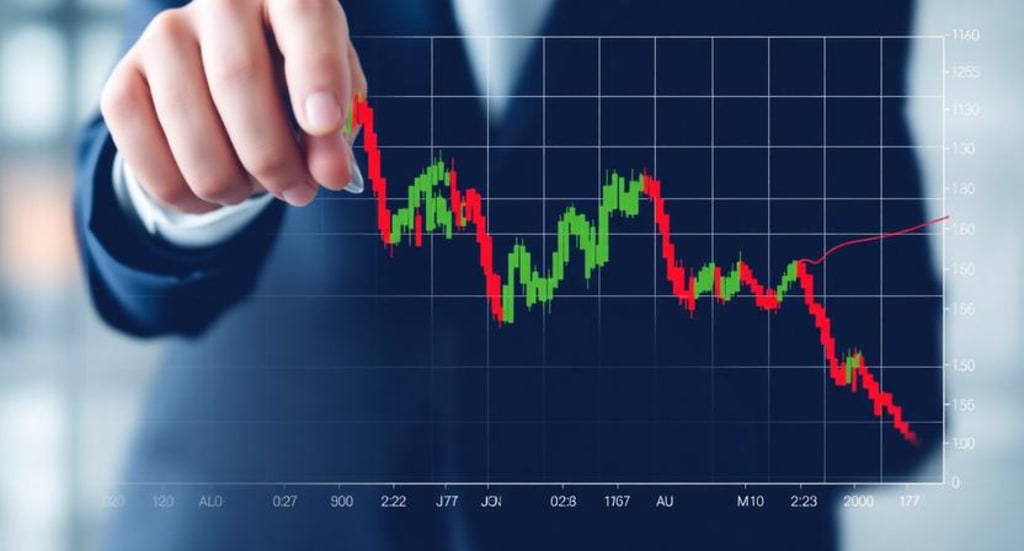
The DAX Performance Index is the most widely followed stock market index in Germany and one of the leading benchmarks in Europe. It reflects the performance of Germany’s largest publicly traded companies listed on the Frankfurt Stock Exchange. For investors around the world, the DAX is not only a measure of the German economy but also a key indicator of European market trends.
Unlike other indices that track only stock prices, the DAX Performance Index includes dividend payments by assuming that dividends are reinvested into the index. This approach provides a more accurate representation of total returns for investors, making it an important tool for long-term investment planning.
Understanding the DAX Performance Index
The DAX Performance Index currently tracks 40 major companies in Germany, spanning sectors such as automotive, technology, finance, chemicals, and industrial manufacturing. Companies like Siemens, BMW, SAP, and Allianz contribute significantly to the index, making it a reflection of both domestic business strength and global economic influence.
By including dividends in its calculation, the DAX Performance Index differs from the traditional price-only index. This means that investors looking at the performance index see the real growth potential of German equities over time, which is particularly useful when comparing global markets or evaluating investment strategies.
DAX Performance Index vs. Price Index
One common misconception among investors is confusing the DAX Performance Index with the DAX Price Index. While the price index tracks only stock prices, the performance index also accounts for dividends. Over time, this difference can be significant, as reinvested dividends contribute substantially to overall returns.
For global investors, this distinction is critical when comparing the DAX with other indices like the FTSE 100 or Dow Jones Industrial Average, which are usually quoted as price indices. Using the performance index allows for a more precise evaluation of investment gains in Germany.
How the DAX Performance Index Is Calculated
The calculation of the DAX Performance Index uses a free-float market capitalization method. This means only the shares available for public trading are counted, giving larger companies a proportionally bigger impact on the index. Quarterly reviews ensure that companies meet liquidity, size, and trading requirements, keeping the index relevant and transparent.
Dividend adjustments are made continuously. Whenever a company in the DAX pays a dividend, it is considered reinvested, ensuring that the performance index reflects total returns rather than just price changes. This approach makes it an ideal benchmark for investors focused on compounding wealth over the long term.
Importance of the DAX Performance Index
The DAX Performance Index serves multiple purposes for investors. It provides a comprehensive snapshot of Germany’s economic performance, as well as insights into global market trends. Strong performance in the DAX typically indicates robust industrial output, growing exports, and positive corporate earnings. Conversely, a decline can signal economic challenges or international market pressures.
Investors benefit from the dividend reinvestment feature, which amplifies long-term growth. For traders, the DAX offers liquidity and volatility, making it suitable for short-term trading strategies. For long-term investors, it is often used as a core holding in European equity portfolios due to its diversification across sectors and companies.
Factors Affecting the DAX Performance Index
Several factors influence the movements of the DAX Performance Index. These include global economic trends, interest rates, monetary policy from the European Central Bank, currency fluctuations, and geopolitical events. Because many DAX-listed companies earn revenue internationally, global trade conditions also play a significant role.
Corporate earnings, dividend declarations, and market sentiment can cause short-term fluctuations. For example, quarterly results of major DAX companies often lead to temporary spikes or drops in the index, which are immediately reflected due to the dividend reinvestment methodology.
Investing in the DAX Performance Index
Direct investment in the DAX Performance Index is not possible, but investors can gain exposure through exchange-traded funds (ETFs), index funds, and derivatives such as futures and options. These instruments allow investors to track the performance of the German market, benefit from dividends, and diversify portfolios internationally.
Long-term investors particularly favor the DAX for its potential to generate compounded returns through dividend reinvestment. Traders, on the other hand, take advantage of daily volatility and sector-specific news to capitalize on short-term opportunities.
Conclusion
The DAX Performance Index is a unique and essential benchmark for both European and global investors. Its inclusion of dividends, large company representation, and global relevance make it a reliable indicator of Germany’s economic health and investment potential. Whether for long-term growth or short-term trading, understanding the DAX Performance Index is critical for anyone looking to invest in German equities.
About the Creator
Hammad Nawaz
Hammad here, sharing stock market insights, trading strategies, and tips. Helping traders understand trends, risk, and opportunities in equities, forex, and commodities.
Keep reading
More stories from Hammad Nawaz and writers in Trader and other communities.
Intel Stock Analysis: Can Intel Maintain Its Leadership in Semiconductor Innovation?
Introduction Intel stock is a cornerstone of the semiconductor sector, representing decades of technological innovation and global market influence. Intel Corporation is renowned for designing and manufacturing microprocessors, chipsets, and other semiconductor solutions for computers, data centers, and emerging technologies. As the demand for AI, cloud computing, gaming, and edge computing grows, Intel stock offers investors exposure to both cyclical and structural growth in technology markets.
By Hammad Nawaza day ago in Trader
Despite concerns about the labor market, the US economy adds more jobs in January 2026 than anticipated.
The United States On February 11, the Bureau of Labor Statistics released the January 2026 jobs report, which had been delayed for a long time. The numbers told a story that was both encouraging and cautionary. Although deeper data revisions and persistent weaknesses dampened the upbeat headline figures, the economy produced a surprising solid increase in employment in contrast to expectations of modest gains. The result: a labor market that appears resilient on the surface yet fragile when viewed in the context of recent trends and broader economic conditions.
By Raviha Imran7 days ago in Trader
Global Oatmeal Market Size and Forecast 2025–2033: A Healthy Staple Finds Its Moment
Global Oatmeal Market Overview The global oatmeal market is steadily carving out a stronger position in the everyday diets of consumers around the world. According to Renub Research, the oatmeal market is expected to reach US$ 9.67 billion by 2033, up from US$ 6.05 billion in 2024, growing at a CAGR of 5.35% from 2025 to 2033. This growth reflects more than just a shift in breakfast habits—it signals a broader transformation in how consumers think about health, convenience, and nutrition.
By shibansh kumar5 days ago in Trader



Comments
There are no comments for this story
Be the first to respond and start the conversation.