
Ceiling Fan Market Spins into a New Era: Smart Technology, Energy Efficiency, and Stylish Designs Drive Global Growth
The Ceiling Fan Market is gaining renewed momentum as consumers prioritize energy-efficient cooling solutions, smart home integration, and modern interior aesthetics.

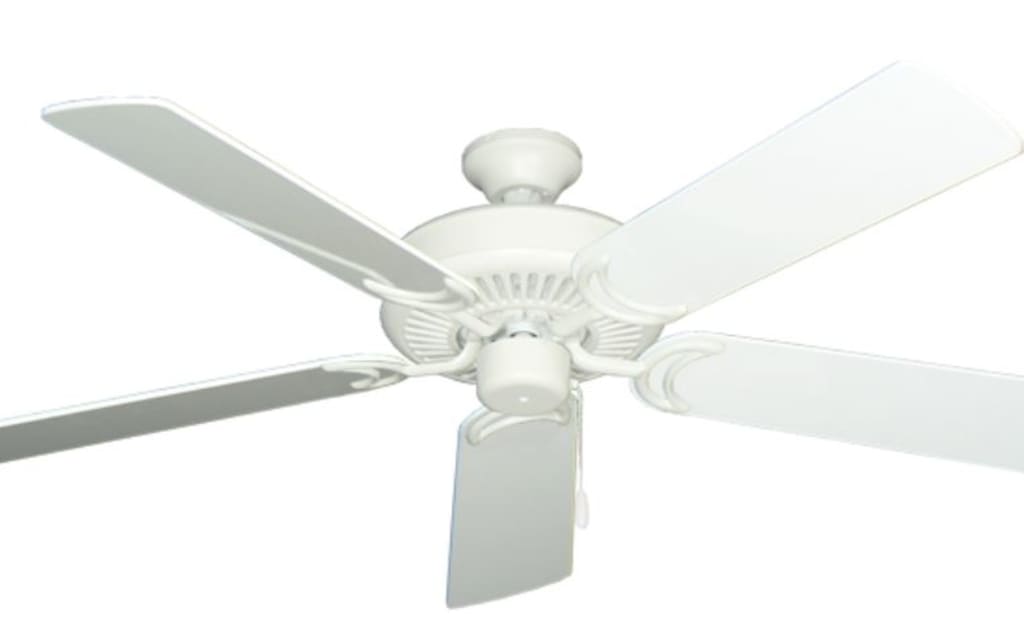
Ceiling Fan Market Overview
The global ceiling fan market is undergoing a transformation driven by technological innovation, climate shifts, and changing consumer preferences. Traditionally regarded as a simple air circulation device, the modern ceiling fan now blends performance, aesthetics, and smart capabilities. With rising electricity costs and increasing awareness of energy conservation, ceiling fans are becoming an essential component of sustainable cooling strategies worldwide.
Urbanization and rapid residential construction are fueling demand, particularly in emerging economies. Apartments, independent homes, office buildings, hotels, and retail spaces continue to integrate ceiling fans as an affordable and energy-efficient alternative or complement to air conditioning systems. Additionally, interior design trends are influencing purchasing decisions, as consumers seek decorative fans that enhance room aesthetics while delivering superior airflow.
The growing focus on indoor air comfort, ventilation, and eco-friendly living solutions is positioning ceiling fans as a practical choice in both tropical and temperate climates. As climate change intensifies heatwaves across regions, demand for cost-effective cooling appliances is accelerating significantly.
Report a Sample PDF Report "Ceiling Fan Market"
Key Growth Drivers
1. Energy Efficiency and Sustainability
Energy efficiency remains a central driver of market growth. Modern ceiling fans equipped with Brushless Direct Current (BLDC) motors consume significantly less electricity compared to conventional induction motor fans. These advanced motors not only reduce power consumption but also offer longer operational lifespans and quieter performance.
Governments across various regions are promoting energy-efficient appliances through labeling programs and incentive schemes, further encouraging adoption.
2. Smart Home Integration
The integration of IoT and smart technologies is redefining the ceiling fan landscape. Consumers can now control fans via smartphone applications, remote systems, and voice assistants. Features such as programmable timers, speed automation, temperature sensors, and compatibility with smart home ecosystems enhance user convenience.
Smart ceiling fans are particularly popular in urban markets where home automation adoption is increasing rapidly.
3. Rising Urbanization and Housing Projects
Growing urban populations and expanding real estate development projects are directly influencing demand for ceiling fans. Affordable housing initiatives, smart city programs, and commercial infrastructure expansion are contributing to higher installation volumes globally.
4. Increasing Disposable Income and Design Preferences
As disposable incomes rise, consumers are investing in premium and designer ceiling fans. Manufacturers are responding with innovative finishes, aerodynamic blades, integrated LED lighting, and minimalistic designs that align with modern interior décor trends.
AI Integration in the Ceiling Fan Market
Artificial Intelligence is gradually reshaping both product functionality and manufacturing processes in the ceiling fan industry.
Smart Climate Adaptation
AI-enabled fans can automatically adjust speed based on room temperature, humidity levels, and occupancy patterns. This enhances comfort while optimizing energy efficiency.
Predictive Maintenance
AI-powered sensors embedded in smart fans monitor motor performance and operational efficiency. Predictive alerts help users schedule maintenance before mechanical failures occur.
Manufacturing Optimization
AI-driven production analytics help manufacturers monitor supply chain operations, forecast demand, reduce material wastage, and streamline assembly line efficiency.
Consumer Insights and Marketing
Machine learning tools analyze purchasing behavior, seasonal demand patterns, and regional climate trends. This allows brands to tailor marketing campaigns and optimize inventory planning.
Market Segmentation
Analysis by Product Type:
Standard Fan
Decorative Fan
High Speed Fan
Energy Saving Fan
Others
Analysis by Fan Size:
Small
Medium
Large
Analysis by Distribution Channel:
Offline Stores
Online Stores
Regional Insights
Asia-Pacific
North America
Europe
Latin America
Emerging Trends
Integration of LED lighting within ceiling fans for multi-functional usage.
Voice assistant compatibility and mobile app-based controls.
Silent motor technology for bedrooms and office spaces.
Sustainable materials and recyclable packaging.
Aerodynamic blade designs for enhanced airflow performance.
Challenges in the Market
Despite strong growth potential, the ceiling fan market faces certain constraints:
Intense competition leading to price pressure.
Fluctuating raw material costs, particularly metals and electronic components.
Rising penetration of air conditioning systems in certain urban markets.
However, ceiling fans continue to maintain relevance due to their affordability and low operational costs.
Future Outlook
The ceiling fan market is poised for consistent growth as consumers increasingly seek energy-efficient, smart, and stylish cooling solutions. The convergence of AI, IoT, and sustainable engineering is reshaping product innovation. With rising climate concerns and electricity costs, ceiling fans will continue to serve as a primary cooling option in residential and commercial settings.
Over the coming years, advancements in motor technology, smart automation, and eco-friendly materials are expected to enhance product differentiation and market competitiveness. Manufacturers that focus on digital integration, premium design, and sustainable production practices will likely lead the next phase of industry expansion.
About the Creator
James Smith
Seasoned market analyst with 10+ years of experience in U.S. economic trends and stock market insights.
Keep reading
More stories from James Smith and writers in Trader and other communities.
Particle Board Market Growth Accelerates Amid Rising Demand from Furniture, Construction, and Sustainable Wood Alternatives
Particle Board Market Overview The global particle board market plays a vital role in the engineered wood industry, offering an economical and sustainable solution for furniture, cabinetry, flooring underlayment, wall partitions, and decorative interior applications. Particle board, also known as chipboard, is manufactured by compressing wood chips, sawmill shavings, and wood residues with synthetic resins under heat and pressure.
By James Smitha day ago in Trader
Philippines ICT Market 2026: Digital Infrastructure Expansion, Cloud Adoption and Connectivity Transformation
Philippines ICT Market Overview The Philippines information and communication technology (ICT) market is experiencing strong expansion as digital transformation accelerates across government, enterprise and consumer ecosystems. ICT encompasses telecommunications, IT services, cloud computing, data infrastructure and digital platforms that collectively power the country’s digital economy. With rising internet penetration, growing outsourcing capabilities and increasing demand for advanced connectivity solutions, ICT has become a central pillar of economic modernisation and innovation in the Philippines.
By Manisha Dixit2 days ago in Trader
Philippines Citric Acid Market 2026: Food Processing Growth, Natural Additive Demand and Multi-Industry Expansion
Philippines Citric Acid Market Overview The Philippines citric acid market is experiencing steady expansion as demand rises across food processing, pharmaceuticals, personal care and cleaning applications. Citric acid — a naturally occurring organic acid widely used as an acidity regulator, preservative and chelating agent — plays a critical role in multiple industrial value chains. As consumption of processed foods increases and manufacturers shift toward natural additives, citric acid adoption is strengthening across domestic industries. Its versatility, cost efficiency and compatibility with eco-friendly formulations position it as a key functional ingredient within the Philippines specialty chemicals landscape.
By Manisha Dixita day ago in Trader




Comments
There are no comments for this story
Be the first to respond and start the conversation.