
Bitcoin (BTC) Trend Analysis and Investment Outlook
Bitcoin remains the backbone of the crypto market. Explore BTC trend analysis, price behavior, risks, and long-term investment potential.

Introduction
Bitcoin is widely considered the foundation of the entire cryptocurrency market. Since its creation, it has evolved from a niche digital experiment into a globally recognized financial asset. From an investment point of view, Bitcoin is often compared to digital gold due to its limited supply, decentralized nature, and strong brand recognition. For investors, understanding Bitcoin’s market trends, price cycles, and risk factors is essential before making any short-term or long-term investment decision.
Bitcoin Overview and Use Case
Bitcoin operates on a decentralized blockchain network that allows peer-to-peer transactions without the need for intermediaries like banks. Its maximum supply is capped at 21 million coins, which introduces scarcity into its economic model. This limited supply is one of the main reasons investors view Bitcoin as a hedge against inflation and currency devaluation. Unlike many newer crypto projects, Bitcoin’s primary use case is not complex smart contracts but rather value storage, settlement, and long-term wealth preservation.
Recent Market Performance and Price Trends
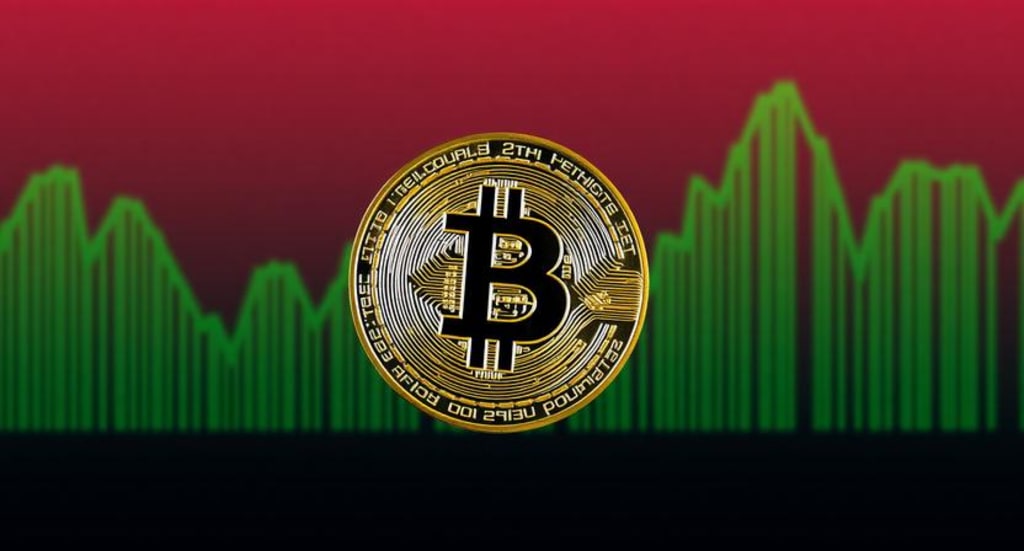
Bitcoin’s price historically moves in cycles that are influenced by halving events, market liquidity, macroeconomic conditions, and investor sentiment. In recent market phases, Bitcoin has shown strong correlation with global risk assets, especially technology stocks, while still maintaining its unique crypto-driven volatility. Periods of consolidation are often followed by sharp breakouts, which attract both retail and institutional investors. From a trend perspective, Bitcoin frequently leads the broader crypto market, meaning altcoins often follow BTC’s direction.
Technical Trend Analysis
From a technical standpoint, Bitcoin usually respects long-term moving averages, which investors use to identify bullish or bearish phases. When Bitcoin trades above its long-term trend lines, market confidence tends to improve. Higher highs and higher lows typically signal bullish momentum, while breakdowns below key support levels often trigger fear-driven sell-offs. Volume plays a critical role in confirming trends, as strong volume during price increases suggests accumulation by larger players.
Investor Sentiment and Market Psychology
Bitcoin is heavily influenced by market psychology. News related to regulations, ETF approvals, interest rate decisions, and institutional adoption can quickly shift sentiment. Fear and greed cycles are especially visible in Bitcoin, making it both an opportunity and a risk for investors. Long-term holders often accumulate during periods of extreme fear, while short-term traders tend to chase momentum during euphoric rallies. Understanding these sentiment shifts helps investors avoid emotional decision-making.
Long-Term Investment Perspective
For long-term investors, Bitcoin is often viewed as a strategic asset rather than a speculative trade. Its fixed supply, growing adoption, and increasing integration into traditional finance support a bullish long-term thesis. Many investors allocate a small percentage of their portfolio to Bitcoin as a diversification tool. Historically, those who held Bitcoin through multiple market cycles were rewarded, though past performance does not guarantee future results.
Short-Term Trading Considerations
Short-term Bitcoin trading can be profitable but carries higher risk due to volatility. Price movements are often driven by leverage, derivatives markets, and sudden news events. Traders must use strict risk management strategies, including stop-loss levels and position sizing. Without proper discipline, short-term exposure to Bitcoin can lead to rapid losses, especially during sudden market reversals.
Risk Factors to Consider
Despite its strong position, Bitcoin is not risk-free. Regulatory uncertainty remains one of the biggest concerns, particularly in major economies. Market manipulation, exchange failures, and macroeconomic shocks can also negatively impact price. Additionally, Bitcoin’s high energy consumption continues to attract criticism, which could influence future policies and public perception.
Conclusion
Bitcoin remains the most dominant and influential cryptocurrency in the market. From an investment point of view, it offers long-term value potential driven by scarcity, adoption, and decentralization. However, its volatility and regulatory risks mean investors must approach it with a well-defined strategy. Whether used as a long-term store of value or a short-term trading asset, Bitcoin continues to play a central role in shaping the future of the crypto market.
About the Creator
Hammad Nawaz
Hammad here, sharing stock market insights, trading strategies, and tips. Helping traders understand trends, risk, and opportunities in equities, forex, and commodities.
Keep reading
More stories from Hammad Nawaz and writers in Trader and other communities.
Stock Market Today: Key Updates, Trends, and Insights
The stock market today reflects ongoing volatility as investors react to a combination of domestic and global factors. Indices such as the S&P BSE Sensex continue to serve as a benchmark for India’s top 30 companies, offering insight into the overall market direction. Simultaneously, global developments and digital assets like Bitcoin USD are increasingly influencing investor sentiment and trading decisions.
By Hammad Nawaza day ago in Trader
Australia Crowdfunding Market Set to Surge to USD 1.43 Billion by 2034 on the Back of Digital Innovation and Startup Momentum
The Australia crowdfunding market is entering a phase of rapid expansion as entrepreneurs, social enterprises, and creative ventures increasingly turn to digital platforms to access capital. According to the latest analysis by IMARC Group, the market was valued at USD 424.2 million in 2025 and is forecast to grow to USD 1,434.9 million by 2034, representing a strong compound annual growth rate (CAGR) of 14.07% between 2026 and 2034.
By Rashi Sharma4 days ago in Trader
Where there's Art there's Heart
Here's a stupid thing: I adore art, but I start to panic whenever I step into a gallery. In the one place I should be at my contented best - surrounded by walls teeming with creative expression - I fall apart. What ought to be an enriching experience, tacitly designed to facilitate the exploration of human empathy and perspective, is for me an overwhelming purgatory of anxiety that compresses me to the point I cannot breathe. At the same time, I experience a sense of extraction, as though my head is being prized open to create a hole so big my sanity could evaporate. Somewhere between these two opposing forces of vice and vortex, I feel myself dissolving in a stream of panic that makes me want to cry; and I feel so daft feeling this way, that all I want to do is run for the hills.
By Caroline Jane4 days ago in Humans



Comments
There are no comments for this story
Be the first to respond and start the conversation.