
Australia Edible Grocery Market Grows Steadily with Health & E-Commerce Shifts
Rising health awareness, demand for fresh and convenient foods and expanding online channels propel the Australia edible grocery sector toward USD 12.7 billion by 2034.

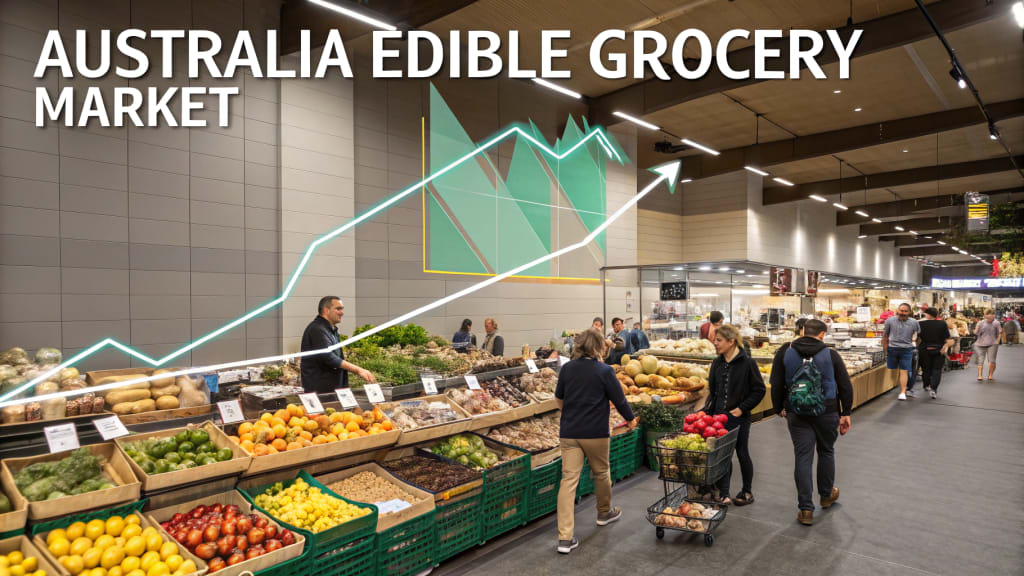
In 2025, the Australia edible grocery market reached a valuation of USD 9.5 billion. According to IMARC Group, it is expected to grow to USD 12.7 billion by 2034, representing a compound annual growth rate (CAGR) of 3.23% during the 2026–2034 period. This projection reflects enduring demand for a broad range of grocery products — from fresh produce and dairy to packaged foods and frozen ready-to-eat meals — driven by evolving consumer preferences, lifestyle shifts and retail dynamics.
The edible grocery category encompasses diverse product segments including fresh fruits and vegetables, dairy products, meat and seafood, bakery and confectionery, packaged foods, non-alcoholic beverages and frozen & ready-to-eat meals. It also spans multiple distribution channels such as supermarkets & hypermarkets, convenience stores, online grocery retail and specialty/organic stores, while catering to consumer demographics like household consumption and the foodservice & hospitality sector.
Request a Sample Report with Latest 2026 Data & Forecasts:
Why the Market Is Growing So Rapidly
1. Rising Health & Wellness Focus:
Australian shoppers are increasingly prioritising nutritional value and overall wellness in their food choices. This has fuelled demand for fresh, organic and minimally processed edible grocery products, as well as functional foods fortified with vitamins, minerals or probiotics. Products that align with health-focused lifestyles — such as low-sugar, gluten-free or plant-based alternatives — are gaining traction across mainstream and speciality channels.
2. Expansion of Online Grocery Shopping:
E-commerce plays a significant role in market growth by enhancing accessibility, convenience and choice. Online grocery platforms — equipped with features like same-day delivery and personalised recommendations — have transformed how consumers purchase edible groceries. Busy urban households, younger demographics and tech-savvy consumers are increasingly utilising digital ordering and delivery services, boosting overall market demand.
3. Preference for Fresh and Locally Sourced Foods:
Environmental consciousness and ethical consumerism are influencing purchasing decisions. Many Australians now seek sustainably produced, locally sourced grocery items that offer transparent supply chains and lower carbon footprints. Retailers are responding by highlighting local produce on shelves and adopting eco-friendly practices such as recyclable packaging, which in turn stimulates consumer engagement and market growth.
4. Diverse & Expanding Product Portfolios:
The edible grocery market benefits from its broad product base — from fresh fruits and vegetables to bakery and frozen meals — which caters to a variety of consumer needs and meal occasions. This diversity allows manufacturers and retailers to attract a wide range of buyers, supporting consistent revenue streams even as individual product categories evolve.
5. Urbanisation & Changing Lifestyles:
Lifestyle trends, including dual-income households and time-pressed consumers, have increased demand for convenience-oriented grocery products. Ready-to-eat and easy-to-prepare foods — such as pre-cut produce, meal kits and frozen meals — align well with contemporary preferences for convenience without compromising quality.
What the Opportunities Are
1. Premium & Functional Food Lines:
There is strong potential in premium segments — including organic, plant-based, high-protein and nutritionally enhanced foods — that cater to niche dietary preferences and health-oriented consumers.
2. Omnichannel Retailing & Digital Engagement:
Investing in seamless online + offline grocery shopping experiences — such as click-and-collect, subscription meal kits and personalised promotions — can deepen consumer loyalty and drive repeat purchases.
3. Local Sourcing & Supply Chain Partnerships:
Collaborating with local farmers and producers strengthens product authenticity and sustainability credentials, which resonate with environmentally conscious buyers and support local economies.
4. Sustainable Packaging Innovations:
Adopting recyclable, biodegradable or reduced-waste packaging enhances brand value among eco-aware consumers while reducing environmental impact.
5. Expansion of Specialty & Organics Channels:
Specialised outlets focused on organic, health and artisan foods can capture premium segments and attract shoppers seeking curated grocery experiences.
6. Retail Analytics & Consumer Insights Platforms:
Leveraging data analytics to understand shopping patterns and preferences can optimise product assortments, pricing strategies and personalised marketing campaigns.
7. Strengthening Fresh Food Logistics:
Enhancing cold chain and distribution networks for fresh grocery products can reduce spoilage, improve quality and increase availability across urban and regional markets.
Recent News & Developments in Australia Edible Grocery Market
• March 2025: Major grocery retailers expanded their online platforms with advanced AI-driven features — including personalised recommendations, dynamic pricing and rapid delivery options. These enhancements resulted in double-digit growth in online grocery orders, reinforcing the shift toward digital grocery consumption.
• July 2025: Industry analytics reported a consumer spending milestone: spending on fresh and organic edible grocery products surpassed traditional packaged foods in urban regions for the first time. This shift highlights growing demand for health-oriented groceries among metropolitan consumers.
• October 2025: Retailers introduced innovative subscription models and ready-to-cook grocery kits, boosting recurring orders and enhancing customer retention. These offerings capitalise on convenience-oriented lifestyles and strengthen the position of digital grocery channels within the broader food ecosystem.
Why Should You Know About Australia Edible Grocery Market?
The Australia edible grocery market is a dynamic and essential segment of the nation’s food landscape, driven by enduring consumer demand, lifestyle evolution and expanding retail channels. For investors, steady growth to USD 12.7 billion by 2034 signals resilience and long-term stability supported by diversified product demand and digital transformation trends. For manufacturers and retailers, insights into health, sustainability and convenience preferences provide a roadmap for innovative product development and retail strategies. Policymakers benefit from understanding how market dynamics intersect with public health, nutrition and food security objectives. As Australian consumers continue to prioritise healthier, convenient and sustainable food options, the edible grocery sector will remain central to everyday life and retail evolution, making it a valuable market to watch and engage with.
About the Creator
Rashi Sharma
I am a market researcher.
Keep reading
More stories from Rashi Sharma and writers in Trader and other communities.
Australia Fitness App Market Set to Surge Over 5× by 2034 on Health & Digital Adoption
In 2025, the Australia fitness app market was valued at approximately USD 70.1 million and is projected to expand to USD 401.5 million by 2034, reflecting a strong compound annual growth rate (CAGR) of 21.40% between 2026 and 2034. This robust growth forecast underscores the rapid adoption of digital health solutions and the increasing role of mobile technology in supporting everyday fitness and wellness goals across the Australian population. Fitness apps — mobile and tablet-based platforms focused on exercise routines, nutrition guidance, activity tracking and personalised health insights — are becoming integral tools for consumers seeking convenience, flexibility and tailored fitness experiences.
By Rashi Sharmaabout 12 hours ago in Trader
United States Smart Pills Market Size and Forecast 2025–2033
United States Smart Pills Market: A New Era of Ingestible Technology The United States Smart Pills Market is entering a phase of rapid transformation, driven by the convergence of healthcare, digital technology, and advanced medical devices. According to industry estimates, the market is expected to reach US$ 4.13 billion by 2033, growing from US$ 1.53 billion in 2024, at a robust CAGR of 11.66% from 2025 to 2033. This impressive growth reflects a broader shift in modern healthcare toward minimally invasive diagnostics, real-time patient monitoring, and data-driven treatment strategies.
By Sakshi Sharma7 days ago in Trader
When the Shelter Closes
Across the street from my house, a man slept under a tree, his dog by his side. My first, naive thought: he must be traveling through. But he kept coming back, often sleeping there during the day. Then it hit me—that person might not have a home.
By Bride of Soundabout 13 hours ago in Humans



Comments
There are no comments for this story
Be the first to respond and start the conversation.