
When the Lights Go Out in New Brunswick
How recurring power outages reveal deeper problems in infrastructure, climate readiness, and trust
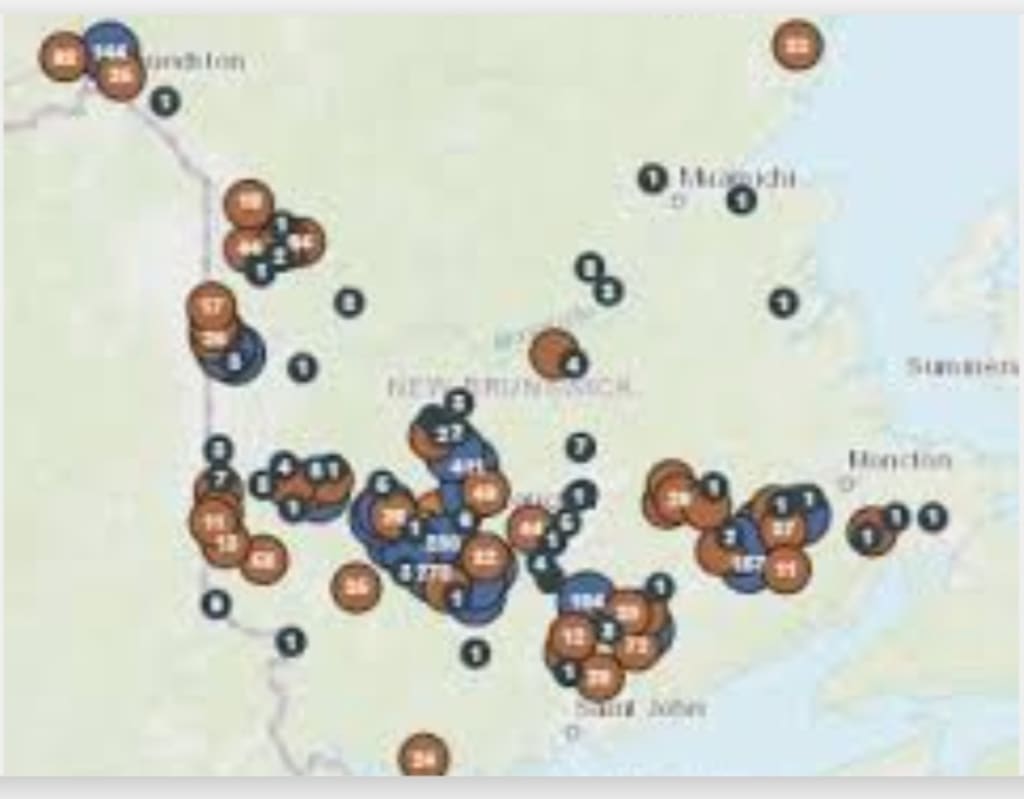
In New Brunswick, power outages have become less of an exception and more of an expectation. Each time strong winds blow, freezing rain falls, or heavy snow settles on power lines, thousands of residents brace themselves for darkness. Phones are charged in advance, flashlights are pulled from drawers, and generators hum in driveways across the province. For many, this routine has become frustratingly familiar.
What was once seen as an unavoidable inconvenience is now raising serious questions about infrastructure resilience, climate preparedness, and the responsibility of public utilities.
A Growing Pattern, Not Isolated Events
NB Power reports outages year-round, but residents increasingly notice how often service disruptions occur. Storms that would have caused minor flickers a decade ago now leave entire regions without electricity for hours—or days. Rural communities are hit especially hard, where single power lines serve long distances and repairs take longer to complete.
For seniors, families with young children, and individuals relying on medical equipment, these outages are not just inconvenient; they are dangerous. Loss of heat during winter storms, spoiled food, and limited communication can quickly turn a blackout into a crisis.
The frequency of outages suggests the problem goes beyond weather alone.
Aging Infrastructure Under Pressure
Much of New Brunswick’s power grid is aging. Many transmission lines run through forested areas where trees weakened by disease, age, or storms are more likely to fall. Preventive maintenance, such as vegetation management and equipment upgrades, has not always kept pace with the increasing stress placed on the system.
As climate change intensifies storms, ice accumulation, and high winds, older infrastructure struggles to cope. While NB Power has invested in upgrades, critics argue that progress is too slow and reactive rather than proactive.
Residents are left asking why predictable weather events continue to knock out essential services.
Climate Change Is No Longer a Future Problem
New Brunswick is experiencing the effects of climate change firsthand. Warmer winters lead to heavier ice storms. Sudden temperature swings increase the risk of equipment failure. Stronger winds bring down trees that once stood firm.
Power systems designed decades ago were not built for these conditions. As extreme weather becomes more common, outages are no longer rare disasters—they are recurring consequences.
Without climate-adaptive planning, the grid will continue to fail under pressure.
Communication and Public Frustration
One of the most common complaints during outages is not the loss of power itself, but the lack of clear communication. While outage maps and social media updates exist, many residents feel updates are vague, delayed, or overly optimistic.
Estimated restoration times often change multiple times, creating frustration and distrust. When outages stretch into multiple days, the absence of detailed explanations leaves customers feeling ignored.
Trust in a public utility depends not only on performance, but transparency.
Economic and Social Impacts
Power outages affect more than homes. Small businesses lose revenue when point-of-sale systems go down or refrigeration fails. Remote workers are forced offline. Schools and healthcare facilities must rely on backup systems that are not always foolproof.
Over time, repeated outages can influence where people choose to live or invest. Reliable infrastructure is a cornerstone of economic stability, and when it falters, confidence in the province’s future weakens.
For a region already facing population challenges, reliability matters.
What Residents Are Asking For
New Brunswickers are not demanding perfection, but they are asking for accountability. Many want clearer long-term plans for grid modernization, increased investment in underground lines where feasible, and better tree management near power corridors.
Others call for expanded support for home resilience, such as incentives for backup power systems or community warming and charging centers during extended outages.
Most of all, people want reassurance that lessons are being learned after each major blackout.
Moving Toward Solutions
There is no single fix for NB’s power outage problem. Solutions require a combination of infrastructure investment, climate adaptation, and improved communication. Smart grid technologies, localized energy storage, and renewable microgrids could help reduce the scale of outages in the future.
Equally important is involving communities in preparedness planning. Clear emergency protocols, reliable updates, and realistic timelines can reduce anxiety even when power cannot be restored immediately.
Resilience is not just about stronger wires—it is about stronger systems of trust.
When the Lights Come Back On
Each time electricity is restored, life slowly returns to normal. Phones recharge, heaters click on, and refrigerators hum again. But the memory of the outage lingers, along with the question of when the next one will come.
Power outages in New Brunswick are no longer just weather stories. They are reflections of how infrastructure, policy, and climate intersect in everyday life. Addressing them requires more than temporary fixes; it demands long-term commitment.
Until then, New Brunswickers will continue to live with one eye on the weather forecast—and one hand on the flashlight.
About the Creator
Keep reading
More stories from Ayesha Lashari and writers in The Swamp and other communities.
Lèpre: The Disease That Stole Humanity Before It Stole Health
For centuries, lèpre—known globally as leprosy—has been one of the most misunderstood diseases in human history. Long before science offered explanations, society responded with fear. People diagnosed with leprosy were pushed to the edges of civilization, stripped of their names, families, and dignity. The disease did not only affect the body; it shattered lives through stigma and isolation.
By Ayesha Lashariabout a month ago in The Swamp




Comments
There are no comments for this story
Be the first to respond and start the conversation.