
When Home Births Go Wrong, Hospitals Can Add to the Complications
Exploring the risks, realities, and need for better coordination in maternity care
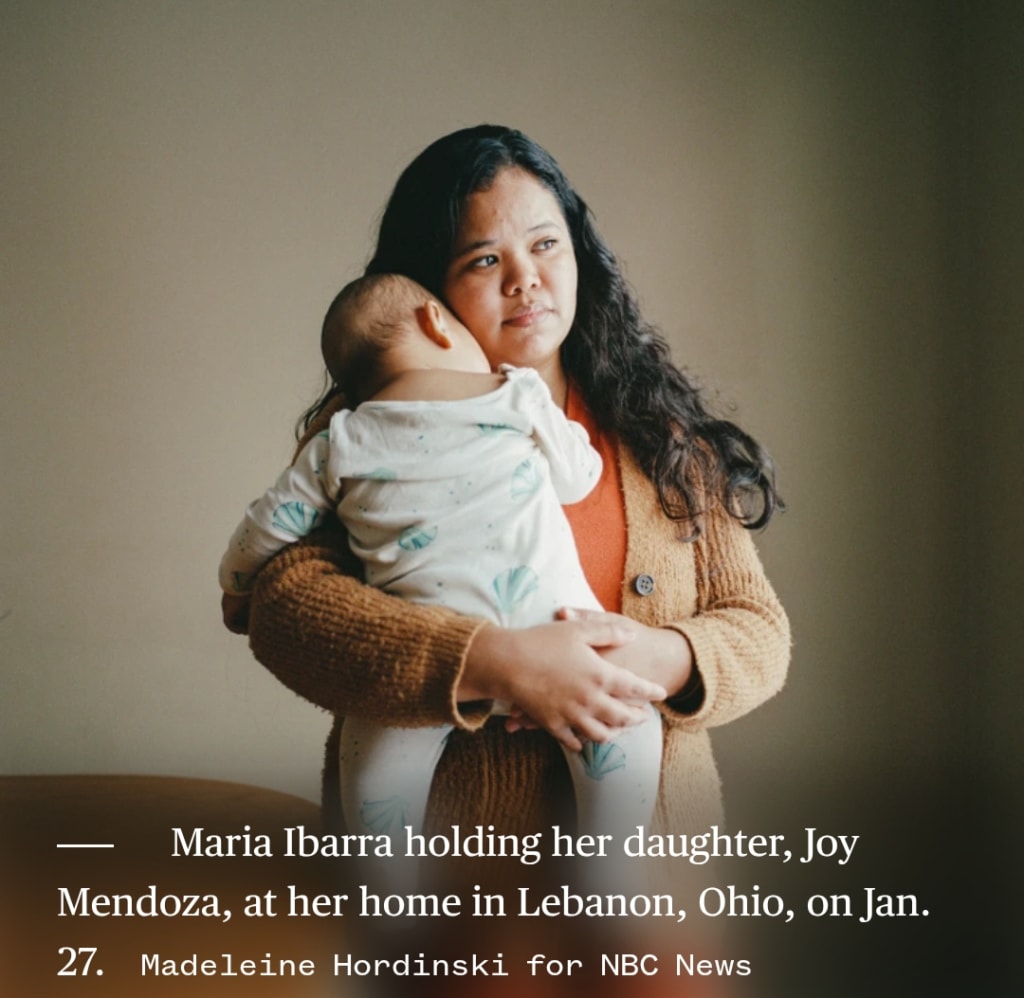
In recent years, home births have gained renewed attention as more families seek personalized, low-intervention childbirth experiences. For many, delivering at home represents comfort, autonomy, and a desire to avoid unnecessary medical procedures. But while planned home births can proceed safely for carefully selected low-risk pregnancies, complications can arise unexpectedly. When they do, emergency transfers to hospitals may introduce additional challenges — sometimes compounding the original medical issue.
The intersection between home-based maternity care and hospital emergency response is complex. It involves medical urgency, communication systems, emotional stress, and, at times, conflicting philosophies of care. When these elements do not align smoothly, the results can be difficult for both families and healthcare providers.
The Appeal of Home Birth
Home birth advocates often emphasize empowerment and individualized care. Certified midwives typically provide continuous labor support, and the home environment may reduce anxiety for some parents. Studies in certain healthcare systems suggest that planned home birth for low-risk pregnancies, attended by qualified professionals, can result in fewer interventions such as epidurals or cesarean sections.
Reasons families choose home birth include:
Desire for minimal medical intervention
Previous negative hospital experiences
Cultural or personal beliefs
Greater privacy and comfort
Continuity of care with a known midwife
However, childbirth remains unpredictable, even in healthy pregnancies.
When Complications Develop
Emergencies during labor can occur without warning. Fetal distress, heavy bleeding (postpartum hemorrhage), prolonged labor, umbilical cord complications, or shoulder dystocia may require immediate advanced medical intervention. In such cases, a transfer to hospital becomes necessary.
Statistics vary by country, but first-time mothers planning home births are more likely to require hospital transfer than those who have previously delivered vaginally. Transfer rates may range between 10% and 30%, depending on circumstances and healthcare systems.
The time required to arrange transportation and reach a hospital can significantly affect outcomes in urgent situations. Even a short delay may increase medical risk.
The Transfer Challenge
One of the most critical points in these situations is the handover between home birth attendants and hospital staff. Effective communication is essential, yet it does not always happen seamlessly.
Potential issues during transfer include:
Incomplete or delayed sharing of medical records
Limited real-time fetal monitoring data
Miscommunication about the urgency of the case
Emotional tension between care providers
When hospital teams receive a patient mid-emergency, they must make rapid decisions — often with limited information. This can lead to swift interventions such as emergency cesarean sections or assisted deliveries.
While these interventions can be life-saving, they may also increase the likelihood of complications compared to a planned hospital birth with continuous monitoring.
Hospital Response Under Pressure
Hospitals are designed to handle emergencies, but emergency arrivals create high-pressure scenarios. Staff may perceive transferred cases as higher risk, prompting more aggressive intervention strategies.
In some reported cases, families describe feeling judged for initially choosing home birth. Meanwhile, hospital clinicians may feel they are managing preventable complications. This dynamic can strain communication at a critical moment.
It is important to note that most healthcare providers prioritize patient safety above all else. However, differences in care philosophy — particularly around medical intervention — can affect tone and trust.
Medical Risks and Data Considerations
Research on home birth safety presents mixed findings depending on context. In countries with integrated midwifery systems and structured transfer protocols, outcomes tend to be better. In regions without such systems, risks may increase.
Key risk considerations include:
Distance to hospital
Experience and certification of midwife
Emergency preparedness
Maternal health conditions
Fetal health status
Certain high-risk pregnancies are generally not recommended for home birth, including multiple gestations, breech presentations, and pregnancies with significant medical complications.
Even in ideal circumstances, rapid-onset emergencies cannot always be predicted.
Psychological Impact on Families
Beyond physical outcomes, emergency transfers can deeply affect parents emotionally. Many who choose home birth invest significant time in planning and preparation. When plans change suddenly, feelings of disappointment or guilt may arise.
Emotional effects may include:
Birth trauma
Anxiety about medical interventions
Loss of perceived control
Postpartum depression or stress
How healthcare providers communicate during these moments can influence long-term psychological well-being.
Respectful, compassionate care during transfer and treatment plays a crucial role in recovery.
Improving System Integration
Experts increasingly argue that the key to reducing complications lies not in eliminating home birth options but in improving integration between midwives and hospitals.
Successful models include:
Shared electronic medical records
Pre-arranged hospital partnerships
Standardized transfer protocols
Joint emergency training exercises
Mutual professional respect
Countries with integrated maternity care systems often report smoother transfers and better outcomes.
Clear guidelines can reduce confusion and ensure continuity of care.
Balancing Autonomy and Safety
The debate surrounding home births often becomes polarized, framing the issue as either “natural” versus “medical.” In reality, most families simply want safe, respectful care.
Hospitals offer advanced technology and immediate emergency response capabilities. Home births offer comfort and reduced intervention for carefully selected low-risk cases. The goal should not be competition between models but collaboration.
Informed decision-making requires transparent conversations about:
Risks and benefits
Emergency response plans
Geographic considerations
Personal medical history
Ultimately, patient safety must remain the central priority.
Moving Forward
As home births continue to attract interest, healthcare systems may need to invest in better coordination frameworks. This includes policy support, professional training, and improved communication channels.
Efforts to reduce complications may focus on:
Evidence-based screening criteria
Rapid-response transfer systems
Public education about risks
Strengthened interdisciplinary collaboration
When birth plans shift, seamless care transitions can make a life-saving difference.
Conclusion
When home births go smoothly, they can be positive and empowering experiences. But when complications arise, the transition to hospital care can introduce additional risks and emotional strain.
The issue is not simply where birth happens — it is how effectively healthcare systems manage unexpected change. With stronger integration, improved communication, and mutual respect between providers, many of these complications can be reduced.
Childbirth will always carry inherent unpredictability. The responsibility of modern maternity care is to ensure that no matter where labor begins, safety, dignity, and compassion remain at the forefront.
About the Creator
Keep reading
More stories from Aarif Lashari and writers in The Swamp and other communities.
TCL CSOT Super Pixel Display Debuts With Promises of Better Image Quality and Lower Power Use
TCL CSOT has unveiled its latest innovation in display technology — the Super Pixel display — promising significant improvements in image clarity, color accuracy, and energy efficiency. As global demand for higher-resolution screens continues to grow across smartphones, televisions, tablets, and automotive displays, manufacturers are racing to develop panels that deliver better performance without draining more power. TCL CSOT’s new Super Pixel architecture may represent a major step in that direction.
By Aarif Lasharia day ago in The Swamp
A Gathering of Evil Bosses
“I’m the queen of chin jutting while I smooth my hair, attacking, insulting, and deflecting to protect my appointer.” “Oh, please, Blondi, my hair is curled, highlighted, and longer than yours. I feature television commercials telling immigrants that we will give them a free plane ride home, and if they voluntarily turn themselves in, they will be allowed to legally apply for re-entry. It runs everywhere, and I look good in it! You can’t compete because of your blond hair. Mine is nicer, and my lips are prettier than yours.”
By Andrea Corwin 9 days ago in The Swamp
Ukraine marks four years since Russia's full invasion as Moscow says its 'goals' not yet achieved"
Four years after Russia launched its full-scale invasion of Ukraine, the war continues with no clear end in sight, as both sides mark the grim anniversary amid frozen front lines, mounting casualties, and deepening geopolitical divisions. Ukrainian leaders commemorated the date with ceremonies honoring soldiers and civilians killed since February 24, 2022, while Moscow reiterated that its military objectives remain unfinished. In Kyiv, President Volodymyr Zelensky addressed the nation in a solemn speech, praising what he called the “unbreakable spirit” of Ukrainians who have resisted one of Europe’s largest military assaults since World War II. Church bells rang across several cities, and moments of silence were observed in schools and government offices. Memorials and mass graves in towns such as Bucha and Irpin served as stark reminders of the early months of the invasion, when Russian forces were pushed back from northern Ukraine after heavy losses. The anniversary comes at a time when the battlefield has largely stabilized into entrenched positions across eastern and southern regions. Russian troops still occupy significant portions of Donetsk, Luhansk, Zaporizhzhia, and Kherson, while Ukrainian forces continue to conduct limited counteroffensives and long-range strikes on logistics hubs and military infrastructure. Both armies are heavily reliant on drones, artillery, and electronic warfare, signaling a shift toward a grinding war of attrition rather than rapid maneuver warfare. Moscow used the occasion to restate its justification for the invasion. Russian officials said their “special military operation” had not yet achieved all of its goals, which include preventing Ukraine from joining NATO and securing what the Kremlin calls Russian-speaking territories. In a statement carried by state media, the defense ministry claimed that Russian forces were “steadily improving their tactical positions,” despite Western intelligence assessments suggesting high casualties and equipment losses. For Ukraine, the war has transformed nearly every aspect of national life. The economy has been reshaped around defense production and foreign assistance, while millions of citizens remain displaced inside the country or abroad. Power stations, ports, and factories have been repeatedly targeted, leaving communities to rebuild under constant threat of missile and drone attacks. Yet Ukraine has also deepened its ties with Western allies, receiving advanced weapons systems and financial aid that have allowed it to sustain resistance far longer than many analysts initially predicted. International reactions on the anniversary reflected both solidarity and fatigue. European leaders reaffirmed support for Kyiv, emphasizing that the conflict is not only about Ukraine’s sovereignty but also about the future of international law. The United States repeated its commitment to military and humanitarian assistance, though debates in Congress and among voters highlight growing concerns over the cost and duration of the war. Meanwhile, some Global South countries have continued to call for negotiations, urging both sides to seek a diplomatic path out of the conflict. Humanitarian agencies warned that the war’s toll on civilians remains severe. Tens of thousands have been killed or wounded, and millions still face shortages of electricity, heating, and medical supplies, particularly in frontline regions. Children have grown up amid air raid sirens and online schooling, and an entire generation has been shaped by conflict. Analysts say the fourth anniversary underscores a strategic stalemate. Neither side appears capable of delivering a decisive blow in the near term. Ukraine depends heavily on sustained Western backing, while Russia has expanded arms production and strengthened economic ties with countries outside the Western alliance system. Prospects for peace talks remain slim, as trust between the two governments is virtually nonexistent. As Ukraine marks four years since Russia’s invasion, the country stands as both a symbol of resistance and a warning of prolonged war in the modern era. For many Ukrainians, the anniversary is not only about remembering the past but also about enduring an uncertain future. And as Moscow insists its objectives remain unmet, the conflict continues to shape global politics, energy markets, and security calculations far beyond Eastern Europe.
By Fiaz Ahmed 3 days ago in The Swamp



Comments
There are no comments for this story
Be the first to respond and start the conversation.