
United States Approves Major Arms Deals to Saudi Arabia and Israel
Washington reinforces strategic alliances in the Middle East as multibillion-dollar weapons sales raise security, political, and humanitarian questions

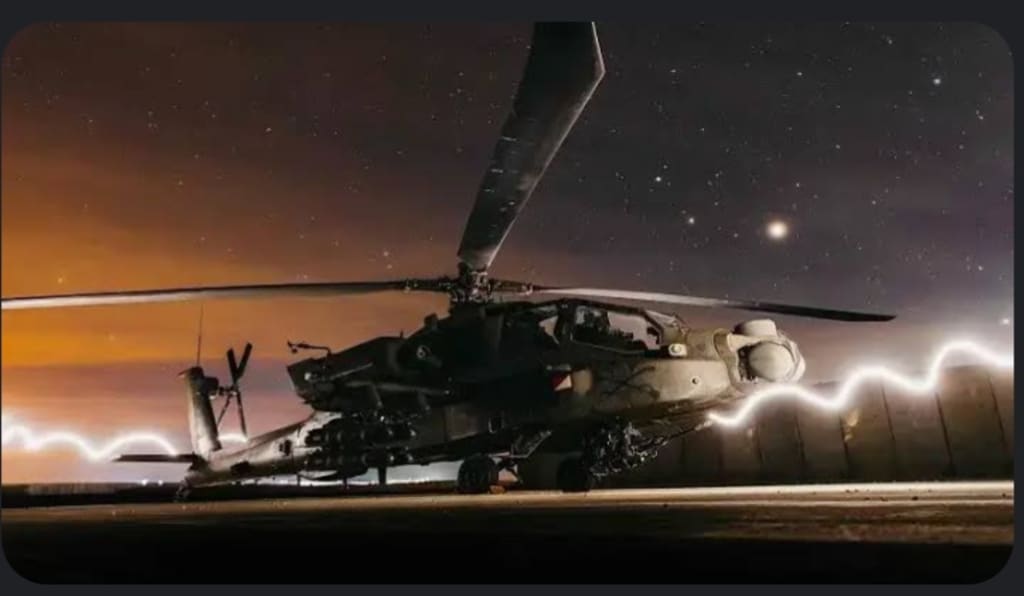
The United States has approved major arms deals with Saudi Arabia and Israel, underscoring Washington’s continued commitment to its key Middle Eastern allies amid rising regional instability. The approvals, involving advanced weaponry, defense systems, and military support packages worth billions of dollars, highlight the strategic importance the U.S. places on maintaining military partnerships in a region shaped by conflict, rivalries, and shifting power balances.
While U.S. officials frame the deals as essential for regional security and deterrence, critics argue they risk fueling arms races and deepening humanitarian crises. The approvals have once again sparked debate in Washington and abroad over the long-term consequences of American arms exports.
---
Details of the Approved Arms Deals
According to U.S. defense and congressional sources, the approved packages include advanced missile systems, aircraft upgrades, precision-guided munitions, and air defense equipment tailored to the needs of Saudi Arabia and Israel.
For Saudi Arabia, the deal focuses heavily on defensive capabilities, including missile interception systems and upgrades to existing air and naval platforms. U.S. officials say these systems are designed to help the kingdom defend itself against regional threats, particularly missile and drone attacks targeting critical infrastructure.
For Israel, the package reinforces its long-standing military edge in the region. It includes advanced munitions, aircraft support, and components linked to missile defense programs. Washington has consistently emphasized its commitment to ensuring Israel’s “qualitative military edge,” a policy enshrined in U.S. law.
Together, the deals represent one of the most significant arms approvals by the United States in recent years.
---
Strategic Rationale Behind the Sales
The Biden administration — like previous U.S. governments — views arms sales as a tool of foreign policy. Officials argue that strengthening Saudi and Israeli defense capabilities helps:
Deter regional adversaries, particularly Iran and its allied groups
Stabilize key partners, reducing the likelihood of unilateral or escalatory actions
Maintain U.S. influence in a region where rivals such as China and Russia are seeking deeper security ties
In Washington’s assessment, these deals help anchor U.S. leadership in Middle Eastern security architecture while reinforcing alliances that have been central to American strategy for decades.
---
Saudi Arabia: Security Needs and Controversy
Saudi Arabia remains one of the largest purchasers of U.S. weapons, but the relationship has been controversial. The kingdom has faced international criticism over its role in regional conflicts and human rights concerns.
U.S. officials stress that the latest approvals emphasize defensive systems, signaling a shift from earlier sales that included offensive weaponry. Supporters argue that Saudi Arabia faces genuine security threats, including missile and drone attacks, and has the right to defend its population and infrastructure.
Opponents, however, question whether any large-scale arms transfer to Riyadh can be separated from broader regional conflicts. Human rights organizations warn that continued weapons sales risk undermining U.S. credibility on civilian protection and international law.
---
Israel: Maintaining a Military Edge
U.S. military support for Israel has long enjoyed bipartisan backing in Congress. The newly approved arms deal reflects Washington’s continued commitment to Israel’s security amid ongoing regional tensions and conflict.
Supporters argue that Israel faces persistent threats from hostile actors and requires advanced capabilities to deter attacks and defend its territory. U.S.-made defense systems have played a central role in Israel’s security strategy, and continued cooperation is seen as vital by both governments.
At the same time, critics within the United States and internationally argue that unconditional arms support risks enabling prolonged conflict and limiting diplomatic leverage. Calls have grown for greater oversight and conditions tied to the use of U.S.-supplied weapons.
---
Congressional and Public Reaction
Arms sales of this scale require notification to the U.S. Congress, where lawmakers have expressed mixed reactions.
Supporters argue the deals strengthen allies, support American defense industries, and create U.S. jobs.
Opponents have raised concerns about regional escalation, civilian harm, and whether arms sales align with American values.
While Congress has the authority to block arms transfers, such moves are rare, particularly when deals involve close allies like Saudi Arabia and Israel. Still, the debate reflects growing scrutiny of U.S. arms export policy.
---
Regional Implications
The approval of these arms deals is likely to have wide-ranging regional effects.
Rival states may interpret the sales as a signal of Washington’s alignment, potentially prompting them to bolster their own military capabilities. Analysts warn that this dynamic could intensify competition and raise the risk of miscalculation.
At the same time, U.S. officials argue that strong defense partnerships can prevent conflict by deterring aggression and reassuring allies, reducing incentives for pre-emptive action.
---
Balancing Security and Responsibility
The latest arms approvals highlight a core dilemma of U.S. foreign policy: balancing strategic security interests with ethical and humanitarian considerations.
For Washington, arms sales remain a key lever of influence, binding allies closer while shaping regional security dynamics. For critics, they represent a missed opportunity to push harder for diplomacy, accountability, and conflict resolution.
---
Conclusion
The United States’ decision to approve major arms deals with Saudi Arabia and Israel reinforces its central role in Middle Eastern security while reigniting debate over the consequences of global arms transfers. Supporters see the move as a necessary step to deter threats and support allies; critics warn it may deepen instability and undermine humanitarian goals.
As tensions persist across the region, the long-term impact of these deals will depend not only on the weapons delivered, but on how they are used — and whether diplomacy can keep pace with military power.
About the Creator
Keep reading
More stories from Salaar Jamali and writers in The Swamp and other communities.
Pakistan to Boycott T20 World Cup Match Against India on February 15
Cricket, long described as a unifying force in South Asia, is once again at the center of geopolitical tension after reports emerged that Pakistan will boycott its T20 World Cup match against India scheduled for February 15. The decision, if formally confirmed by the Pakistan Cricket Board (PCB) and tournament organizers, would mark one of the most dramatic moments in modern cricket diplomacy, underscoring how deeply politics and sport remain intertwined in the region.
By Salaar Jamalia day ago in The Swamp
Trump Warns: U.S. Will “No Longer Help Iraq” If Maliki Returns as Prime Minister
Former U.S. President Donald Trump has never been known for subtle diplomacy, and his statement that the United States would “no longer help Iraq” if Nouri al-Maliki were chosen again as prime minister reflects that blunt approach. The remark, controversial and politically charged, reopened long-standing debates about U.S. intervention in Iraq, the legacy of Maliki’s leadership, and Washington’s willingness to condition support on political outcomes in sovereign nations.
By Ayesha Lashari6 days ago in The Swamp




Comments
There are no comments for this story
Be the first to respond and start the conversation.