
Title: Inside the Cutthroat Competition for the Best Baguette in Paris
How Parisian bakers fight daily to perfect the city’s most iconic bread
Introduction
In Paris, bread is not just food — it is ritual, pride, and identity. Every morning, locals line up outside neighborhood bakeries for a fresh baguette, expecting the perfect crunch, aroma, and texture. Behind that simple purchase lies an intense and often overlooked rivalry. The competition for the best baguette in Paris is fierce, emotional, and deeply rooted in tradition.
For bakers, the baguette is the ultimate test of skill. With only four ingredients — flour, water, yeast, and salt — there is nowhere to hide. Every detail matters, and the difference between average and exceptional can be razor thin.
Why the Baguette Matters So Much
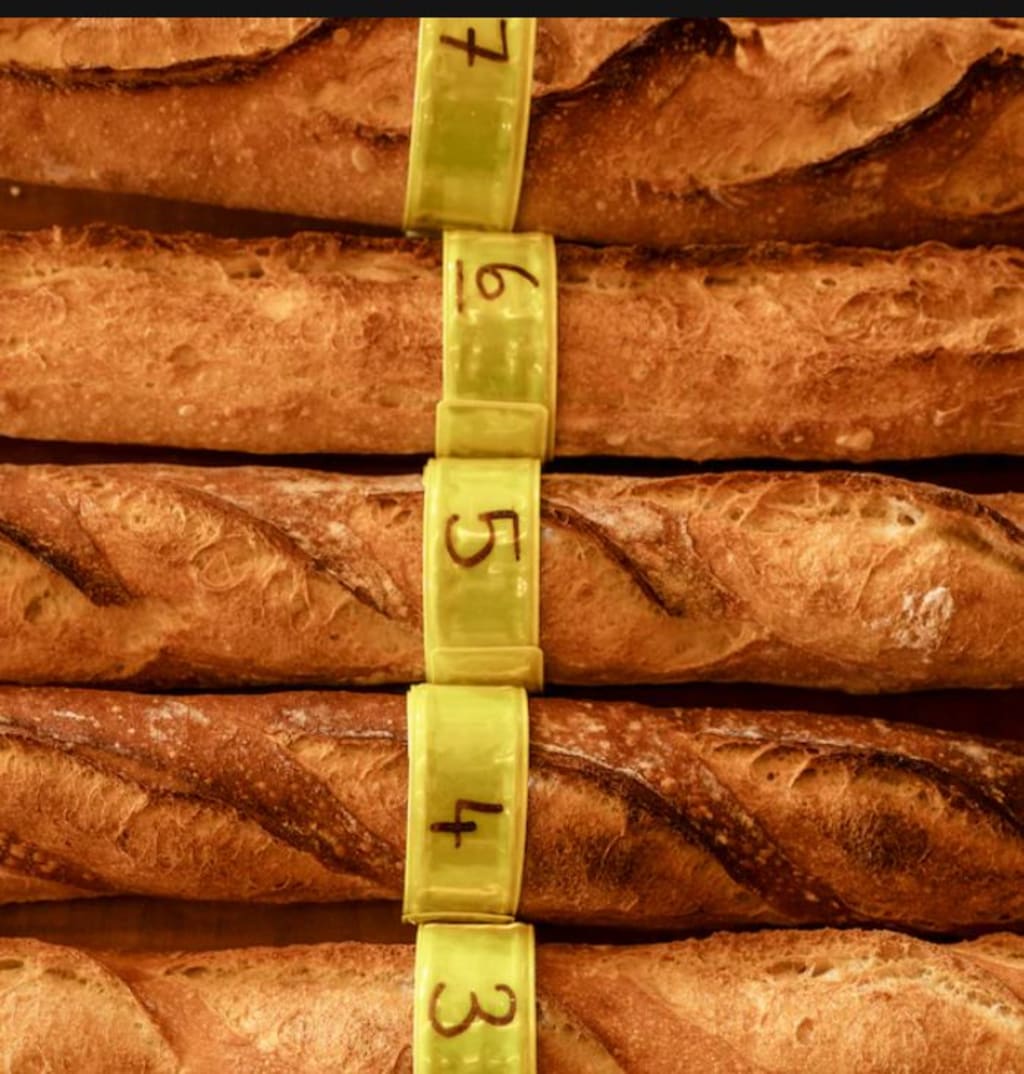
The baguette represents everyday excellence. Unlike elaborate pastries, it is made and sold daily, meaning consistency is essential. Customers know what a great baguette feels like: a crisp crust that crackles, a light interior filled with airy holes, and a subtle flavor developed through careful fermentation.
Because it is inexpensive and widely consumed, the baguette shapes a bakery’s reputation. One outstanding loaf can build loyalty. Repeated disappointment can drive customers elsewhere.
In a city filled with bakeries, standing out is both difficult and necessary.
The Prestigious Annual Contest
At the heart of the rivalry is the famous city baguette competition, where bakers submit anonymous loaves judged by professionals and everyday citizens. The evaluation is strict. Judges analyze appearance, aroma, crumb structure, taste, and even the sound of the crust.
There are technical rules too. The baguette must fall within a specific weight and length range and follow traditional preparation methods. Industrial shortcuts are not allowed.
Winning the title can transform a bakery overnight. Long lines form, media attention grows, and the bakery often sees lasting increases in sales. For many bakers, this contest represents the peak of their career.
The Craft Behind the Perfect Loaf
Although simple in ingredients, baguette making is complex in practice. Fermentation is the most critical stage. Longer fermentation enhances flavor and creates the airy structure customers love. However, timing must be precise — too long and the dough weakens, too short and the bread lacks character.
Handling technique also matters. Gentle shaping preserves air pockets. Precise scoring — the cuts made before baking — determines how the bread expands and influences its final appearance.
Ovens play a major role as well. Steam and high heat create the signature crust. Small variations in temperature or humidity can dramatically affect the outcome.
In short, mastery comes from repetition, intuition, and patience.
Economic Pressure Fuels the Rivalry
The competition is not purely artistic. Running a bakery in Paris is expensive. Rent, labor, and ingredient costs continue to rise, yet baguettes remain affordable by tradition. Profit margins are thin.
Recognition can provide relief. Awards attract new customers, increase visibility, and boost sales of higher-margin products like pastries and specialty breads.
Younger bakers entering the industry add another layer of pressure. Many experiment with long fermentation, natural starters, and sustainable sourcing, raising expectations across the board.
Innovation pushes the craft forward — but also intensifies competition.
The Emotional Stakes for Bakers
Behind every loaf is a demanding lifestyle. Bakers often begin work before dawn, spending long hours mixing, shaping, and baking. Physical fatigue is constant, and perfection must be repeated daily.
For many, baking is a family tradition. Skills are passed down through generations, turning the baguette into a symbol of heritage. Winning recognition validates years of sacrifice.
Failure, however, is common. Many top bakers compete multiple times before success. Persistence becomes part of the profession.
Despite rivalry, there is camaraderie. Bakers share techniques, discuss flour quality, and understand each other’s struggles. Competition is intense but rooted in mutual respect.
Customers: The Real Judges
While official contests bring prestige, everyday customers ultimately decide which bakery succeeds. Consistency matters more than a single award.
Modern technology has changed how reputations spread. Social media reviews, neighborhood groups, and food blogs can quickly elevate a bakery. Tourists searching for the “best baguette” create additional exposure and pressure.
A bakery that delivers excellence daily builds trust — the most valuable currency in the business.
Tradition Meets Innovation
The future of baguette competition reflects broader changes in food culture. Sustainability is becoming important, with some bakers prioritizing organic flour, local suppliers, and reduced waste.
Training has evolved too. Bakers now learn from global influences through culinary schools and online resources. Techniques spread faster than ever, raising overall standards.
Yet the essence remains unchanged: hands shaping dough, experience guiding decisions, and patience determining results. Technology can support the process, but it cannot replace craftsmanship.
More Than Bread
The rivalry for the best baguette reveals something uniquely Parisian — a commitment to excellence in everyday life. The baguette is simple, but the dedication required to perfect it is extraordinary.
For bakers, each batch is another competition. Each customer reaction is feedback. Awards may bring fame, but consistency builds legacy.
The cutthroat nature of the baguette battle is driven by passion more than profit. Passion for tradition, for community, and for the quiet joy of creating something small yet meaningful.
In the end, the perfect baguette is more than bread. It is proof that mastery lives in daily rituals — and that even the simplest loaf can carry the weight of pride, history, and relentless competition.
About the Creator
A Gathering of Evil Bosses
“I’m the queen of chin jutting while I smooth my hair, attacking, insulting, and deflecting to protect my appointer.” “Oh, please, Blondi, my hair is curled, highlighted, and longer than yours. I feature television commercials telling immigrants that we will give them a free plane ride home, and if they voluntarily turn themselves in, they will be allowed to legally apply for re-entry. It runs everywhere, and I look good in it! You can’t compete because of your blond hair. Mine is nicer, and my lips are prettier than yours.”
By Andrea Corwin 10 days ago in The Swamp



Comments
There are no comments for this story
Be the first to respond and start the conversation.