
The House Races to End Shutdown. And, Trump Wants to Close Kennedy Center for 2 Years
Political gridlock, funding battles, and high-profile proposals dominate U.S. government headlines

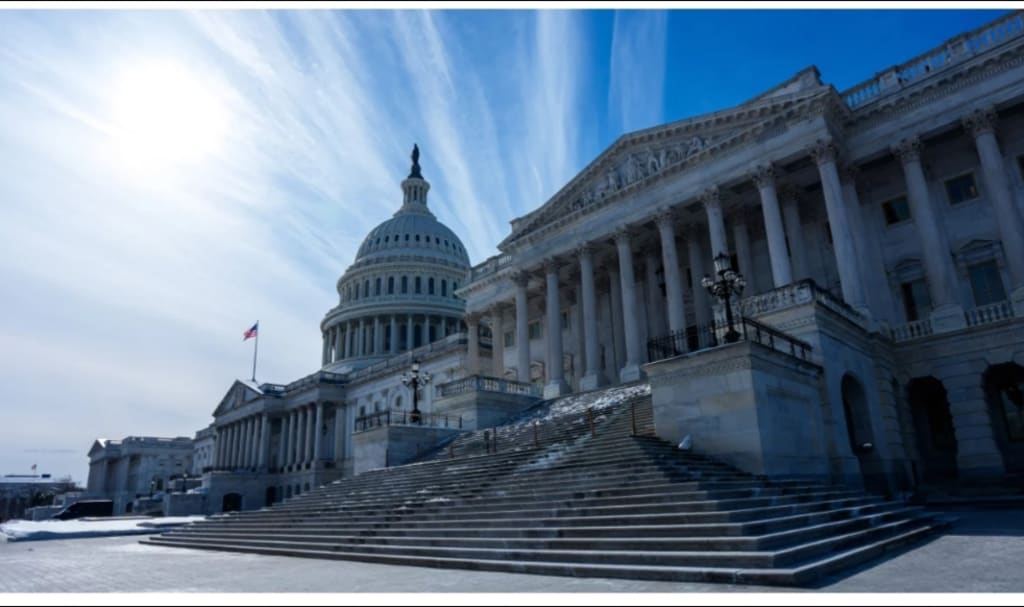
The U.S. federal government is once again facing the specter of a shutdown, with lawmakers in the House of Representatives scrambling to pass critical funding legislation before deadlines expire. At the same time, former President Donald Trump has proposed a controversial plan to close the John F. Kennedy Center for the Performing Arts for two years, a move that has sparked heated debate over cultural priorities and federal spending.
This unusual convergence of budget battles and high-profile proposals highlights the tense and unpredictable nature of American politics in 2025, as both partisan divides and individual political ambitions shape the national agenda.
---
The Looming Government Shutdown
A government shutdown occurs when Congress fails to approve federal funding, leaving non-essential services without financing. Hundreds of thousands of federal employees may be furloughed, government programs paused, and services disrupted—impacting everything from national parks to visa processing.
In the current crisis, the House is under pressure to approve a continuing resolution or a full-year budget to prevent shutdown. Lawmakers face complex negotiations over defense spending, social programs, and emergency relief funding, with partisan tensions making consensus difficult.
Democrats are pushing to secure funding for healthcare, education, and climate initiatives, while Republicans are emphasizing fiscal restraint and increased border security. The impasse has intensified as the deadline approaches, prompting urgent calls for compromise.
---
Trump’s Kennedy Center Proposal
In an unrelated yet high-profile move, Donald Trump suggested closing the Kennedy Center for two years as part of a broader push to cut federal expenditures and redirect funding. The Kennedy Center, a Washington D.C. landmark and national cultural institution, hosts thousands of performances annually, ranging from classical music to theater productions.
Trump’s proposal has drawn criticism from cultural leaders and lawmakers, who argue that closing the Center would undermine America’s global cultural standing and harm the arts community. Supporters of the idea argue it could save taxpayer money and force more private funding into arts programs.
While the plan is currently symbolic and unlikely to gain immediate traction, it adds a provocative dimension to the national debate over federal priorities and spending.
---
The Stakes of a Shutdown
The consequences of a federal shutdown are significant. Beyond furloughed employees, federal contractors may face payment delays, and critical services—from airport security to research grants—could be disrupted. Economists warn that prolonged government inactivity can slow economic growth, dampen consumer confidence, and create ripple effects in global markets.
Historically, even brief shutdowns have cost billions in lost productivity. In 2025, with inflation concerns and economic uncertainties still lingering, the stakes are higher than ever.
---
Lawmakers Scramble for a Solution
House leaders are reportedly negotiating behind closed doors to reach a compromise that satisfies both parties enough to pass temporary funding. Proposals include partial funding bills, targeted spending cuts, and extensions for contentious programs to break the impasse.
Some lawmakers have called for creative solutions, such as using unspent emergency funds or reallocating discretionary spending to avoid halting essential services. Despite these efforts, achieving bipartisan agreement remains a formidable challenge.
---
The Cultural Debate: Arts vs. Fiscal Responsibility
Trump’s Kennedy Center plan intersects with broader debates over federal spending. Cultural institutions often rely partially on government support, which critics argue should be minimized in favor of private donations. Proponents contend that federal funding ensures access to the arts for all Americans, not just those who can afford tickets.
Closing the Kennedy Center, even temporarily, raises questions about balancing fiscal responsibility with the nation’s cultural legacy. Many artists, educators, and policymakers see the proposal as politically symbolic rather than practical, highlighting the tensions between ideology and governance.
---
Public Reaction
The public response has been mixed. Polls indicate widespread concern over the potential government shutdown, especially among federal employees and those relying on government services. Meanwhile, reactions to the Kennedy Center proposal range from amusement to outrage, reflecting differing perspectives on federal spending priorities.
Social media has amplified debate, with cultural figures and political commentators weighing in on both issues. The combination of budget crises and high-profile proposals underscores the complex and sometimes chaotic nature of American political discourse.
---
What’s Next
In the coming days, Congress must either approve funding to avoid a shutdown or prepare for the disruptions that follow. Simultaneously, debates over cultural funding and proposals like Trump’s Kennedy Center closure will likely continue to dominate headlines.
Observers say the events highlight the challenges of governance in a polarized environment, where urgent policy decisions, symbolic gestures, and media narratives often collide. How lawmakers balance fiscal, political, and cultural priorities in the short term may set precedents for future budget battles and public discourse.
---
Final Thoughts
The simultaneous crises of a potential government shutdown and proposals to close a national cultural landmark reflect the high stakes and unpredictability of U.S. politics in 2025. While the shutdown negotiations may have immediate economic and social consequences, Trump’s Kennedy Center plan serves as a flashpoint for debates over national identity, public spending, and the role of government in cultural life.
Together, these developments remind Americans—and the world—that political gridlock and bold proposals can shape not only policy but also the cultural and economic fabric of the nation.
About the Creator
Keep reading
More stories from Salaar Jamali and writers in The Swamp and other communities.
Global Markets Crash as Everything, Including Bitcoin, Sells Off at Once, Erasing Trillions
Global financial markets were rocked by a dramatic and unusually synchronized sell-off as stocks, cryptocurrencies, commodities, and even traditionally defensive assets plunged at the same time. Trillions of dollars in market value were wiped out within days, underscoring how deeply interconnected modern financial systems have become—and how fragile investor confidence can be in times of uncertainty.
By Salaar Jamaliabout 9 hours ago in The Swamp
The 2026 LAUSD Election Is Shockingly Uncontested — and That Should Worry Parents
“The foundation of every state is the education of its youth.” — Diogenes The 2026 Los Angeles Unified School District (LAUSD) board elections are shaping up to be one of the most consequential — and least competitive — school board races in recent memory. With labor unrest rising, enrollment falling, and school closures looming, voters might expect a crowded field of challengers. Instead, they are getting the opposite: quiet races, thin opposition, and decisions that could reshape public education in Los Angeles for years to come.
By Carl J. Petersen3 days ago in The Swamp
American Warship Begins Patrol of European Waters
US Navy strengthens presence amid rising geopolitical tensions An American warship has begun a routine patrol of European waters, marking the latest in a series of naval deployments aimed at maintaining stability and supporting allied nations. Officials say the patrol is part of the US Navy’s ongoing commitment to regional security, freedom of navigation, and maritime readiness. The deployment comes amid heightened attention to European security, with recent tensions in the region prompting closer cooperation between the United States and NATO allies. Details of the Patrol The warship, identified by officials as part of the US Navy’s Atlantic Fleet, departed from its home port earlier this week and is scheduled to operate in key strategic areas. The ship will conduct training exercises, maritime surveillance, and joint operations with allied navies during its deployment. Patrols like this are routine but strategically significant. They allow the Navy to monitor maritime traffic, respond quickly to potential threats, and demonstrate commitment to allies. Why European Waters Are Important European waters are home to some of the busiest shipping lanes in the world, connecting major economies and supporting global trade. In addition, the region has been central to NATO operations and multinational military exercises for decades. Maintaining a US naval presence in these waters helps: Ensure freedom of navigation in international waters Support allied nations in joint exercises and strategic planning Respond quickly to potential security threats or emergencies Analysts note that these patrols are not only defensive but also serve as a signal of deterrence to any actors who might threaten regional stability. Strengthening Ties With Allies During the patrol, the warship will participate in joint exercises with NATO and other European partners. These exercises focus on: Maritime defense coordination Anti-submarine operations Search and rescue drills Cybersecurity measures for naval operations Officials emphasize that working closely with allies ensures interoperability and readiness across nations, which is essential in responding to regional crises or conflicts. Routine Operations With Strategic Importance While this patrol is described as routine, its timing carries strategic weight. European security concerns, particularly in areas near Eastern Europe and the North Atlantic, have increased in recent years. The deployment demonstrates the US commitment to collective security agreements and reassures partners that maritime cooperation remains strong. In addition to patrolling and exercises, the ship will also gather intelligence on maritime conditions and shipping patterns, which helps the Navy maintain situational awareness. Technology and Capabilities of the Warship Modern US Navy warships are equipped with advanced radar systems, sensors, and communication technologies that allow them to operate effectively across vast ocean regions. This particular ship also carries: Missile defense systems Anti-air and anti-ship capabilities Advanced sonar for submarine detection Helicopter and drone support for reconnaissance These capabilities enable the vessel to respond to multiple threats simultaneously, making it a versatile asset for both defense and deterrence. Impact on Regional Security Analysts say that visible US naval presence in European waters can: Deter potential aggression by signaling military readiness Provide reassurance to allies about US commitments under NATO Encourage cooperation and dialogue among regional actors While no immediate threats have been reported, the patrol underscores the importance of proactive defense measures. Community and Environmental Considerations US Navy deployments also follow strict environmental and safety guidelines. Activities are coordinated to minimize disruption to civilian shipping and marine ecosystems. Officials note that training exercises and patrols are planned with careful attention to environmental impact. Moreover, ports and coastal communities benefit from occasional resupply stops, which bring economic activity and logistical support to the region. Looking Ahead The patrol is expected to last several weeks, during which the warship will complete its scheduled operations and participate in joint drills with European navies. Analysts believe that such deployments are likely to continue as part of the US’s long-term strategy to maintain a secure and stable maritime environment in Europe. Military observers note that routine patrols like this are crucial for preparedness, providing real-world experience for crews while supporting diplomatic and defense objectives. Conclusion The US Navy’s patrol of European waters is a clear demonstration of commitment to allied security, maritime readiness, and strategic presence. While described as routine, the deployment carries significant weight amid global geopolitical uncertainties. By maintaining a visible presence, conducting joint exercises, and ensuring readiness, the Navy strengthens both regional stability and international cooperation. For allied nations and global observers alike, the patrol highlights the enduring importance of a well-prepared and responsive naval force.
By Fiaz Ahmed 6 days ago in The Swamp




Comments
There are no comments for this story
Be the first to respond and start the conversation.