
Researchers Praise ‘Stunning’ Results of New Prostate Cancer Treatment
Breakthrough clinical trial data signals a major step forward in survival rates, precision targeting, and quality of life for patients worldwide
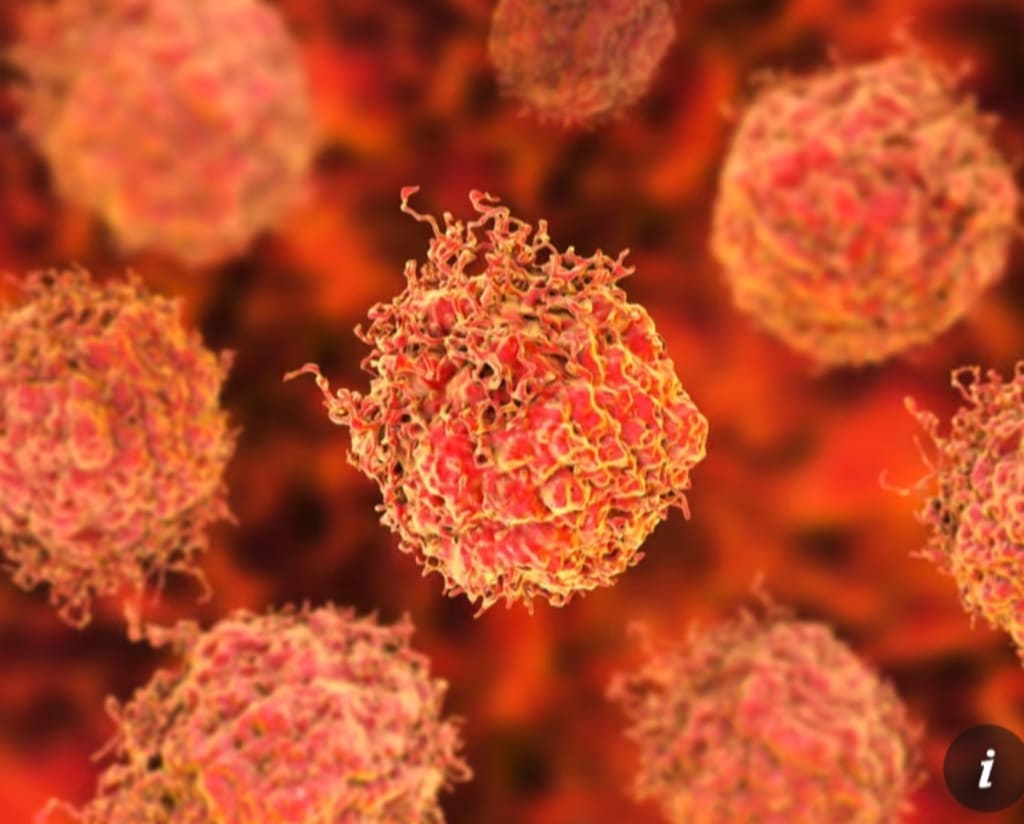
In what many experts are calling a defining moment in modern oncology, researchers have reported “stunning” results from a groundbreaking new prostate cancer treatment that is reshaping expectations for patient survival and quality of life. The findings, unveiled at the 2026 annual meeting of the American Society of Clinical Oncology (ASCO), suggest that a next-generation targeted therapy could dramatically alter how advanced prostate cancer is treated across the globe.
Prostate cancer remains one of the most common cancers among men worldwide. According to global health data, millions are diagnosed annually, and while early-stage cases often respond well to surgery or radiation, advanced or metastatic prostate cancer has historically been far more difficult to treat. That is why the new results have sparked such excitement within the scientific community.
A Turning Point for Advanced Disease
The breakthrough centers on an advanced radioligand therapy that specifically targets prostate-specific membrane antigen (PSMA), a protein commonly found in high amounts on prostate cancer cells. By attaching a radioactive particle to a molecule that binds directly to PSMA, researchers have created a treatment that delivers radiation precisely to cancer cells while sparing much of the surrounding healthy tissue.
The treatment builds upon earlier work involving PSMA-targeted therapies, including Pluvicto, which received regulatory approval in previous years for metastatic castration-resistant prostate cancer. However, the newest clinical trial expanded both the patient population and the duration of follow-up — and the results exceeded expectations.
In the Phase III international trial, patients receiving the new therapy in combination with standard care showed significantly improved progression-free survival compared to those receiving standard treatment alone. Even more striking, overall survival rates improved at a level some oncologists described as “beyond optimistic projections.”
What Makes the Results “Stunning”?
The trial enrolled thousands of patients across North America, Europe, and Asia. Researchers reported:
A substantial reduction in tumor progression risk
Meaningful improvements in overall survival
Delayed onset of severe cancer-related symptoms
Improved pain management outcomes
Lower rates of debilitating side effects compared to traditional chemotherapy
Dr. Alicia Moreno, one of the trial’s lead investigators, noted during the ASCO presentation that the magnitude of benefit “fundamentally shifts the therapeutic conversation” for men with advanced disease.
Historically, treatment options for metastatic prostate cancer have included hormone therapy, chemotherapy, androgen receptor inhibitors, and immunotherapy. While these approaches have extended life, they often come with significant toxicity and eventual resistance. The precision-based radioligand therapy, by contrast, appears to maintain effectiveness even after multiple prior treatments have failed.
Precision Medicine in Action
This breakthrough highlights the accelerating power of precision oncology — tailoring treatment to specific biological characteristics of a tumor. PSMA-targeted therapies exemplify this approach, as patients first undergo specialized imaging scans to confirm sufficient PSMA expression before treatment begins.
The imaging component often uses advanced PET scans, ensuring that only patients likely to benefit receive the therapy. This reduces unnecessary exposure and optimizes outcomes.
The combination of molecular imaging and targeted radiation is increasingly viewed as one of the most promising frontiers in cancer care. Unlike traditional chemotherapy, which affects rapidly dividing cells broadly, radioligand therapy homes in on cancer cells with remarkable specificity.
Improved Quality of Life
Beyond survival statistics, researchers emphasized improvements in quality-of-life metrics — a critical consideration in cancer care.
Patients receiving the new therapy reported:
Reduced bone pain
Fewer hospitalizations
Lower fatigue severity
Improved mobility
Greater overall functional independence
For men whose cancer has spread to the bones — a common progression in advanced prostate cancer — pain control is often a primary concern. By directly targeting metastatic lesions, the therapy not only slowed tumor growth but also alleviated some of the most burdensome symptoms.
This dual benefit — longer life and better life — is what many clinicians find most compelling.
Global Implications
Experts from the European Society for Medical Oncology (ESMO) praised the findings as “practice-changing.” Regulatory agencies are already reviewing expanded indications, and several countries are preparing to integrate the therapy into national cancer treatment guidelines.
However, accessibility remains a major question. Radioligand therapies require specialized manufacturing, nuclear medicine infrastructure, and trained personnel. Expanding access in low- and middle-income countries will require coordinated global investment.
Still, the momentum is undeniable. Pharmaceutical developers are now exploring similar targeted approaches for other cancers, including breast, lung, and pancreatic malignancies.
A New Era of Combination Strategies
Another promising aspect of the research is how the therapy may integrate into earlier stages of treatment. Ongoing trials are investigating whether introducing radioligand therapy sooner — before extensive metastasis — could further improve long-term outcomes.
Scientists are also studying combinations with:
Immunotherapy agents
PARP inhibitors
Novel androgen receptor degraders
Personalized vaccine platforms
If early results hold, prostate cancer management could shift from a sequential treatment model to a precision-based combination strategy designed to attack tumors on multiple fronts simultaneously.
Cautious Optimism
Despite the enthusiasm, researchers stress that continued monitoring is essential. Long-term safety data will determine how durable the survival benefits are and whether rare side effects emerge over time.
Moreover, not all patients respond equally. Tumor heterogeneity — differences in cancer cell biology within the same individual — remains a challenge. Future studies aim to refine patient selection and enhance treatment personalization.
Nevertheless, the data released this year mark one of the most encouraging advances in prostate cancer treatment in decades.
What It Means for Patients and Families
For patients navigating advanced prostate cancer, the emotional weight of new treatment news can be profound. The promise of extended survival paired with better quality of life offers renewed hope for individuals and families facing difficult prognoses.
Advocacy groups have welcomed the development, emphasizing the importance of informed discussions between patients and oncologists about emerging options.
While no treatment guarantees a cure for advanced-stage disease, the new radioligand therapy represents a powerful addition to the medical arsenal — one grounded in precision science and supported by robust clinical data.
Looking Ahead
Cancer research is often incremental, built upon years of steady progress. Occasionally, however, a study produces results that accelerate the field dramatically. Many experts believe this may be one of those moments.
If regulatory approvals proceed as expected and access expands globally, the treatment could redefine standards of care within the next few years.
For now, the oncology community celebrates a milestone: a scientifically rigorous, data-backed breakthrough that brings tangible hope to millions of men worldwide.
As researchers continue refining targeted therapies and deepening their understanding of tumor biology, the era of precision medicine is no longer theoretical — it is delivering results once considered out of reach.
And for prostate cancer patients around the world, that progress feels nothing short of stunning.
About the Creator
A Gathering of Evil Bosses
“I’m the queen of chin jutting while I smooth my hair, attacking, insulting, and deflecting to protect my appointer.” “Oh, please, Blondi, my hair is curled, highlighted, and longer than yours. I feature television commercials telling immigrants that we will give them a free plane ride home, and if they voluntarily turn themselves in, they will be allowed to legally apply for re-entry. It runs everywhere, and I look good in it! You can’t compete because of your blond hair. Mine is nicer, and my lips are prettier than yours.”
By Andrea Corwin 10 days ago in The Swamp
Pearl
1980 something. we all hung out at Pearl and you and i were nothing special, or so i thought. i mean we all danced, drenched in our own sweat, our own saline solution of fear, too many beers, shots, laughter, tears, fucks in the bathroom and i don't know when we began to be afraid. do you?
By ROCK aka Andrea Polla (Simmons)2 days ago in Fiction




Comments
There are no comments for this story
Be the first to respond and start the conversation.