
Reeves Adviser Claims: ‘We Don’t Need Any More Restaurants’
Remark ignites debate over economic priorities, small businesses, and the future of Britain’s high streets
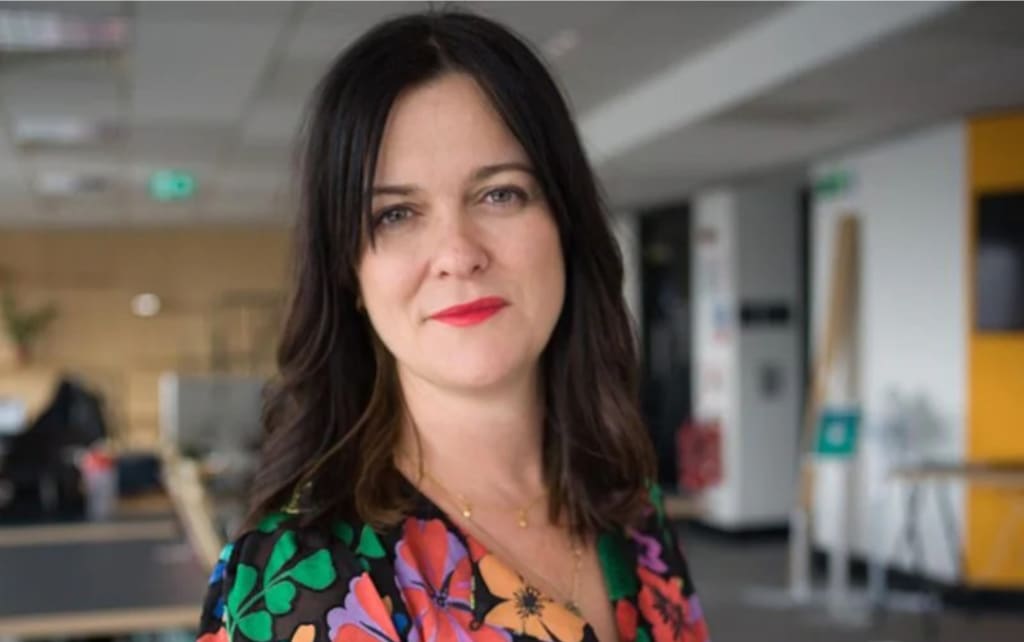
A reported comment from an adviser to Chancellor Rachel Reeves — “We don’t need any more restaurants” — has sparked a lively debate across Britain’s business community. The remark, interpreted by some as dismissive of the hospitality sector, has triggered criticism from restaurant owners, trade bodies, and opposition politicians who argue that the industry plays a vital role in the UK economy.
While the context of the comment remains subject to interpretation, its impact has been immediate. At a time when high streets are evolving, inflation has strained consumer spending, and policymakers are reconsidering economic growth strategies, even a seemingly casual statement can carry significant weight.
A Sector Under Pressure
Britain’s restaurant and hospitality industry has endured a turbulent few years. From pandemic lockdowns to soaring energy bills and staffing shortages, many establishments have struggled to survive.
According to industry groups, thousands of venues closed during and after the pandemic. Rising business rates, wage pressures, and food supply costs have further tightened margins.
Against this backdrop, the suggestion that the UK does not need additional restaurants has struck some as insensitive.
Hospitality leaders argue that restaurants are not simply eateries — they are employers, community hubs, and contributors to local economies.
The Economic Contribution of Restaurants
The UK hospitality sector supports millions of jobs, ranging from chefs and waitstaff to suppliers and delivery drivers. It also generates billions in tax revenue and drives footfall in retail areas.
In many towns and cities, restaurants anchor regeneration efforts. Vibrant dining districts can attract tourism, boost nightlife economies, and support cultural vitality.
Critics of the adviser’s remark say dismissing new restaurant openings overlooks these broader economic benefits.
What Might Have Been Meant?
Supporters of the government suggest the comment may have been intended to emphasize the need for economic diversification rather than diminish hospitality.
The UK economy faces structural challenges, including stagnant productivity growth and regional disparities. Policymakers often highlight the need to expand sectors such as advanced manufacturing, technology, green energy, and financial services.
In that context, the adviser’s remark could reflect a desire to shift focus toward higher-value industries perceived to drive long-term growth.
However, messaging matters — particularly when small business owners feel vulnerable.
High Street Evolution
The debate also touches on the transformation of Britain’s high streets. As online shopping has reduced traditional retail presence, restaurants and cafes have filled vacant storefronts in many areas.
This shift has changed the character of commercial districts. Some urban planners argue that an over-concentration of hospitality venues can create imbalances, especially if local demand is limited.
Others counter that food and beverage businesses are among the few sectors thriving amid retail decline.
The question becomes not whether the UK needs more restaurants, but whether economic policy should actively steer the composition of local economies.
Business Community Reaction
Industry leaders have pushed back strongly against the suggestion that the country has sufficient dining establishments.
Trade associations emphasize that market demand, not political commentary, should determine business growth. If entrepreneurs see opportunity and consumers support it, new restaurants represent economic dynamism rather than excess.
Some restaurant owners argue that such remarks risk undermining investor confidence at a time when recovery remains fragile.
A Wider Growth Strategy Debate
At its core, the controversy highlights competing visions for Britain’s economic future.
Should growth prioritize high-tech sectors and capital-intensive industries? Or should it also celebrate service industries that provide employment and community cohesion?
Hospitality is often viewed as lower productivity compared to manufacturing or technology. However, it remains a significant employer, particularly for young people and those entering the workforce.
Balancing long-term economic transformation with support for existing sectors is a complex policy challenge.
The Politics of Perception
Political language carries symbolic weight. A phrase like “We don’t need any more restaurants” can resonate beyond its immediate context, especially in regions where hospitality forms a large share of local employment.
Opposition figures have seized on the comment to argue that the government risks appearing disconnected from everyday businesses.
For policymakers, maintaining trust among entrepreneurs and small business owners is critical. Perception can influence investment decisions as much as regulatory frameworks.
Investment and Entrepreneurship
The UK has long prided itself on a culture of entrepreneurship. Opening a restaurant often represents a significant personal and financial commitment.
Small hospitality businesses frequently rely on local investors and community support. Discouraging signals — intentional or not — could affect risk appetite.
At the same time, economists note that not all sectors can expand indefinitely. Oversupply in any market can lead to closures and financial losses.
The key issue may be sustainability rather than sheer numbers.
Consumer Demand Still Key
Ultimately, consumer behavior determines business viability. If demand exists for new dining experiences, entrepreneurs will continue to enter the market.
Trends such as street food, plant-based cuisine, and experiential dining suggest ongoing innovation within the sector.
Even during periods of economic pressure, social spending on dining often remains resilient, albeit sensitive to price increases.
A Need for Balanced Messaging
Economic strategy requires nuance. Encouraging growth in emerging sectors does not necessitate diminishing established industries.
Clear communication from government advisers and officials can help avoid unintended controversy. Emphasizing diversification and productivity without dismissing service sectors may strike a more constructive tone.
Conclusion
The reported remark from a Reeves adviser — “We don’t need any more restaurants” — has sparked a broader conversation about economic priorities, high street transformation, and the role of hospitality in Britain’s future.
While some interpret the comment as a push toward higher-productivity sectors, others see it as dismissive of an industry that supports millions of livelihoods.
As policymakers navigate economic challenges, balancing long-term growth ambitions with support for small businesses will remain essential.
Restaurants are more than dining spaces; they are employers, community anchors, and cultural touchpoints. Whether the UK needs more of them may ultimately depend less on political opinion and more on consumer demand and entrepreneurial confidence.
About the Creator
Keep reading
More stories from Aarif Lashari and writers in The Swamp and other communities.
Switching Energy Deal Can Save £200 as Price Cap Falls, Say Experts
Energy experts are urging households to review their gas and electricity tariffs after the latest price cap reduction opened a potential savings window of up to £200 per year. While many consumers remain on standard variable tariffs protected by the energy price cap, analysts say switching to competitive fixed deals could now offer meaningful financial relief.
By Aarif Lashariabout 14 hours ago in The Swamp
Why Black History Matters in America?
The United States of America is celebrating their 250th anniversary in 2026. I'm proud to be an American and as someone who was born here, I wouldn't imagine myself living anywhere else. This is a country where opportunities are possible. Where anyone can be successful in anything they desire to do. Equality, community, and togetherness are the backbones of what America is and should be about. However, we have an administration who wants to erase and disregard those who have made positive, meaningful impacts in our country, specifically Black figures, such as Martin Luther King, Jr., Rosa Parks, and Maya Angelou. President Trump and his administration have been constantly complaining and fighting against what they call the "Woke agenda". They use this excuse as a distraction from other issues they refuse to address, such as the high cost of living, climate change, and inflation. That equality is dividing America, when in reality, it's bringing us together. Being woke is not tied to a specific political party. No matter where you stand on the political spectrum, you can still care about other people and their plights. Compassion and empathy for others isn't tied to a political party, either. We were taught as children to treat others the way we want to be treated and not judge others because they're different from us. Caring about others isn't a personal attack on your beliefs. It doesn't make you any less of a person. People who are easily offended over African American figures, past or present, or anything related to it, are grasping at straws. Current and future generations need to know who people like Harriet Tubman and Shirley Chisholm were, especially in the classroom. Black History is part of American History. It should be recognized, not hidden or forgotten. Besides, you can't shield children from everything, just because your feelings are easily hurt.
By Mark Wesley Pritchard 26 days ago in The Swamp
Staying sane in the insane world.
”It is no measure of health to be well adjusted to a profoundly sick society.” Jiddu Krishnamurti This quote has been one of my favourites since the moment I first laid my eyes on it. To me, it cuts right through the fog of the illusion of normality that permeates our lives. And since I am someone who has never felt (well) adjusted to this society, Krishnamurti’s words gifted me with the realisation that there isn’t anything inherently wrong with me.
By Eva Smittea day ago in Humans




Comments
There are no comments for this story
Be the first to respond and start the conversation.