
Protests and U.S. Warnings Shake Iran at Its Weakest Point in Years
Economic hardship, public anger, and rising international pressure push Iran into a critical moment of uncertainty

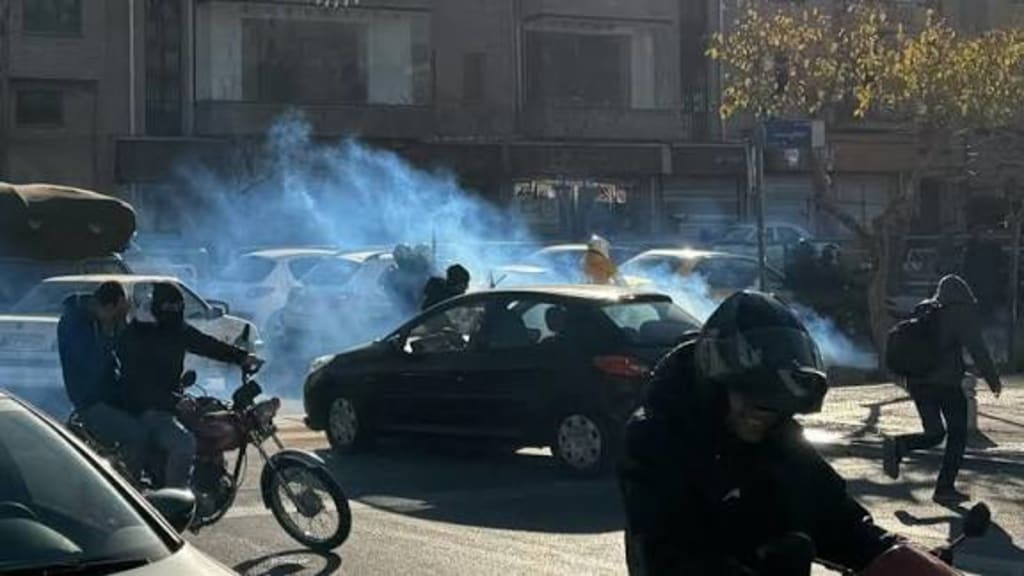
Iran is facing one of its most precarious moments in recent history as widespread protests converge with sharp warnings from the United States, exposing deep fractures within the country’s political, economic, and social foundations. Long simmering public anger, fueled by economic hardship and political repression, has erupted once again—this time against a backdrop of mounting international pressure and regional instability.
A Nation Under Growing Strain
For years, Iran has struggled under the weight of international sanctions, economic mismanagement, and isolation from global markets. Inflation has soared, the national currency has lost much of its value, and unemployment—especially among young people—remains stubbornly high. Basic necessities such as food, fuel, and medicine have become increasingly expensive, eroding living standards for millions.
These pressures have created a society on edge. While protests have periodically flared in Iran over the past decade, recent demonstrations appear broader, more persistent, and more defiant. Protesters from different social classes and regions have taken to the streets, signaling a level of frustration that goes beyond isolated grievances.
The Spark Behind the Protests
Although no single event defines the current unrest, the protests are rooted in long-standing demands for economic justice, political accountability, and personal freedoms. Demonstrators have voiced anger at corruption, lack of opportunity, and what they see as an unresponsive ruling elite.
Social media, despite heavy restrictions, continues to play a key role in spreading images and messages from the protests. Videos showing clashes with security forces and chants criticizing the leadership have circulated widely, amplifying both domestic and international attention.
The government has responded with a familiar mix of force and control—deploying security personnel, restricting internet access, and arresting activists. Yet these measures appear to have done little to calm public anger, and in some cases have intensified it.
U.S. Warnings Add International Pressure
As protests escalate, the United States has issued increasingly blunt warnings to Tehran. American officials have condemned Iran’s crackdown on demonstrators and signaled that further repression could lead to additional sanctions or diplomatic consequences.
Washington has also raised concerns about Iran’s regional activities and military posture, warning that instability at home does not give Tehran a free pass abroad. These statements come at a time when Iran’s relationships with Western powers are already deeply strained over nuclear negotiations, regional conflicts, and human rights issues.
While Iranian leaders often portray U.S. criticism as foreign interference, the warnings add another layer of pressure on a government already struggling to maintain control internally.
Why This Moment Is Different
What makes this period particularly dangerous for Iran’s leadership is the convergence of crises. Economically, the country is weaker than it has been in years. Politically, public trust in institutions has eroded. Regionally, Iran faces challenges from rival states and ongoing tensions in the Middle East. Internationally, diplomatic isolation limits its room for maneuver.
Unlike past episodes of unrest, today’s protests are unfolding when the government has fewer economic tools to placate the public. Subsidies and cash handouts are harder to sustain, and sanctions restrict access to global financial systems.
Analysts note that even traditionally loyal segments of society—such as parts of the working class—are showing signs of discontent. This broadening base of opposition makes the unrest harder to contain.
The Government’s Balancing Act
Iran’s leadership now faces a delicate balancing act. A harsh crackdown risks deepening public anger and attracting stronger international backlash. On the other hand, meaningful reforms could undermine the authority of hardline factions that dominate the political system.
So far, officials have largely chosen repression over reform, framing the protests as foreign-backed attempts to destabilize the country. However, this narrative has limited appeal among citizens struggling with daily economic realities.
The question is not only whether the government can suppress protests, but whether it can address the underlying causes that keep bringing people back to the streets.
Regional and Global Implications
Instability in Iran has implications far beyond its borders. As a major regional power, Iran plays a central role in Middle Eastern geopolitics, energy markets, and security dynamics. Prolonged unrest could affect oil supplies, regional conflicts, and diplomatic relations with neighboring countries.
For the United States and its allies, Iran’s internal turmoil presents both risks and uncertainties. While pressure on Tehran may increase, chaos or miscalculation could also escalate tensions in unpredictable ways.
Conclusion
Iran stands at a crossroads. Protests driven by deep economic pain and political frustration are colliding with mounting U.S. warnings, exposing vulnerabilities that have been building for years. Whether the government responds with reform or repression will shape not only Iran’s future, but also the stability of an already volatile region.
At its weakest point in years, Iran faces a defining test: adapt to the demands of its people, or risk deeper unrest with consequences that may be impossible to control.
About the Creator
Fiaz Ahmed Brohi
I am a passionate writer with a love for exploring and creating content on trending topics. Always curious, always sharing stories that engage and inspire.
Keep reading
More stories from Fiaz Ahmed Brohi and writers in The Swamp and other communities.
Man Admits Dressing as Fake Navy Admiral at Remembrance Event
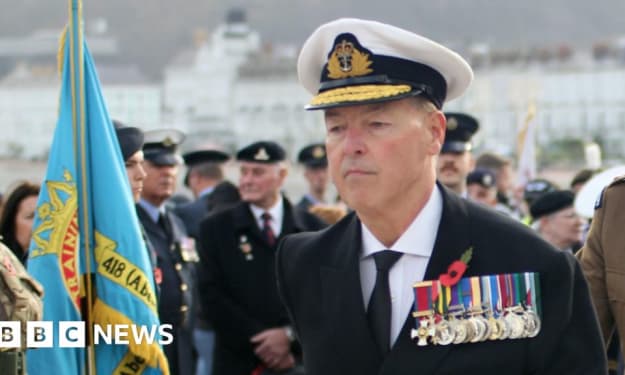
Remembrance events are solemn occasions meant to honor the sacrifice, service, and memory of those who served in the armed forces. They are rooted in respect, dignity, and collective remembrance. That is why a recent incident involving a man who admitted to dressing as a fake navy admiral at a Remembrance event has sparked widespread criticism, debate, and reflection on the misuse of military symbols. The Incident That Shocked Attendees According to court proceedings, the man appeared at a public Remembrance event wearing a naval admiral’s uniform adorned with medals and insignia to which he was not entitled. At first glance, he blended in among genuine veterans and serving personnel. However, inconsistencies in his attire and background soon raised suspicions, prompting inquiries that ultimately revealed the truth: he had never served in the navy, nor held any military rank. The man later admitted that the uniform and decorations were entirely fabricated. His actions were not the result of an administrative error or misunderstanding, but a deliberate choice to impersonate a senior military officer during one of the most emotionally significant commemorations of the year. Why Impersonation at Remembrance Events Is So Serious Impersonating a military officer at any time is widely viewed as unethical, but doing so at a Remembrance event carries deeper consequences. These ceremonies are not social gatherings or displays of pageantry; they are moments of national reflection on loss, bravery, and sacrifice. Veterans, families of the fallen, and serving members attend these events with deep emotional investment. By presenting himself as a decorated admiral, the individual exploited the trust and reverence that society extends to military service members. Many critics argue that such actions amount to a betrayal of public respect and an insult to those who genuinely earned their uniforms under life-threatening conditions. Legal and Moral Implications In several countries, including the UK, wearing military uniforms or medals without entitlement can constitute an offense, particularly if it is done to deceive or gain recognition. While the legal consequences vary depending on intent and circumstances, courts often consider whether the impersonation caused public harm, emotional distress, or undermined institutional integrity. Beyond the legal framework, the moral implications are even more severe. False claims of military service—sometimes referred to as “stolen valor”—erode public confidence and diminish the meaning of real service. Veterans’ groups have repeatedly warned that such behavior trivializes sacrifice and risks turning solemn remembrance into spectacle. Motivation Behind the Deception During questioning, the man reportedly offered explanations ranging from personal admiration for the military to a desire to feel respected. While such motivations may reflect deeper psychological or social issues, experts emphasize that admiration does not justify impersonation. Psychologists note that individuals who falsely present themselves as decorated officers may be seeking validation, identity, or attention. However, these underlying struggles do not excuse actions that disrespect others’ lived experiences, especially those shaped by conflict, injury, and loss. Reaction from Veterans and the Public Veterans’ organizations were quick to condemn the incident. Many expressed anger that someone would use a Remembrance event—a space sacred to military families—as a stage for deception. Others voiced sadness, arguing that such incidents distract from the true purpose of remembrance and risk undermining public understanding of military service. Members of the public echoed these sentiments, with many calling for stricter enforcement of laws protecting military symbols. Some also emphasized the importance of education, noting that greater awareness about military ranks and decorations could help prevent similar incidents in the future. Protecting the Integrity of Remembrance The case has reignited discussions about safeguarding commemorative events. Organizers are now being urged to implement clearer verification processes for participants wearing uniforms, especially those claiming senior ranks. While Remembrance ceremonies are built on trust rather than suspicion, this incident highlights the need for balance between openness and protection. Importantly, veterans’ groups stress that this case should not create barriers for genuine veterans to attend or participate. Instead, the focus should remain on preserving the dignity and authenticity of remembrance. A Reminder of What Remembrance Represents At its core, Remembrance is about honoring real people—those who served, those who suffered, and those who never returned home. It is not about status, medals, or recognition, but about collective memory and gratitude. The admission by a man who dressed as a fake navy admiral serves as a stark reminder that respect for military service must be genuine. Symbols of service carry weight because of the sacrifices behind them. When misused, they lose meaning—and risk causing harm to those they are meant to honor. Conclusion This incident, while involving a single individual, has broader implications for how society protects the integrity of military remembrance. It underscores the importance of honesty, accountability, and respect when engaging with symbols of national sacrifice. As Remembrance events continue to bring communities together, ensuring their authenticity remains essential—not just for veterans, but for the values those events represent.
By Fiaz Ahmed Brohi2 months ago in The Swamp
A Gathering of Evil Bosses
“I’m the queen of chin jutting while I smooth my hair, attacking, insulting, and deflecting to protect my appointer.” “Oh, please, Blondi, my hair is curled, highlighted, and longer than yours. I feature television commercials telling immigrants that we will give them a free plane ride home, and if they voluntarily turn themselves in, they will be allowed to legally apply for re-entry. It runs everywhere, and I look good in it! You can’t compete because of your blond hair. Mine is nicer, and my lips are prettier than yours.”
By Andrea Corwin 3 days ago in The Swamp
North Korea’s First Nuclear-Powered Missile Submarine Is Revealed
North Korea has unveiled its first nuclear-powered missile submarine, a development that marks a significant milestone in the country’s strategic military capabilities and raises concerns among regional and global security analysts. The announcement, accompanied by state media imagery, highlights Pyongyang’s continued focus on expanding its naval and nuclear deterrence capabilities, despite international sanctions and diplomatic pressures. The Unveiling State-run North Korean media released images of the submarine during a formal ceremony attended by senior military officials. The vessel, reportedly capable of carrying ballistic missiles, represents the country’s first foray into nuclear-powered submarine technology. Analysts note that the move signals both technical advancement and a strategic intent to enhance second-strike nuclear capability. The submarine appears to be significantly larger than the country’s existing diesel-electric submarine fleet and is believed to be capable of extended underwater operations. This development could allow North Korea to maintain a continuous at-sea nuclear deterrent, reducing the vulnerability of its strategic assets to preemptive strikes. Technical and Strategic Significance While specific technical details remain scarce, defense analysts suggest that the vessel is designed to operate silently and for long periods underwater, using a nuclear propulsion system to power both its engines and onboard systems. The integration of ballistic missile capability could potentially allow the submarine to launch nuclear missiles from protected, concealed positions, thereby strengthening North Korea’s deterrent posture. “This is a game-changer in terms of regional security,” said an East Asia military analyst. “A nuclear-powered submarine with ballistic missile capability significantly increases Pyongyang’s ability to project power and complicates defense planning for neighboring countries and the United States.” North Korea has historically relied on a combination of land-based missile systems and conventional submarines for its naval strategy. The introduction of a nuclear-powered platform represents a shift toward modernized, survivable deterrence. Experts note that the move may also reflect North Korea’s desire to emulate capabilities possessed by other nuclear states, including the U.S., Russia, and China. Regional and Global Reactions The unveiling of the submarine has drawn immediate attention from South Korea, Japan, and the United States, all of whom monitor North Korean military developments closely. South Korea’s Ministry of National Defense stated that it is analyzing satellite imagery and open-source intelligence to assess the capabilities of the new vessel. Japan’s government expressed concern over the potential threat to maritime security in the region. U.S. officials noted that the development underscores the ongoing challenges of denuclearization talks and highlights the need for robust deterrence strategies. Analysts suggest that the submarine could complicate existing defense frameworks in the Indo-Pacific, forcing allies to consider enhanced anti-submarine warfare capabilities and maritime surveillance. Implications for Nuclear Deterrence The introduction of a nuclear-powered missile submarine has significant implications for North Korea’s nuclear posture. Submarines provide a survivable second-strike capability, allowing a country to maintain the ability to retaliate even after a first-strike attack. This strategic advantage is critical for maintaining deterrence and signaling to adversaries that any attack could provoke a devastating response. Experts also warn that the development could accelerate an arms race in the region, prompting neighboring countries to invest more heavily in submarine detection and missile defense systems. Additionally, the revelation may influence diplomatic negotiations, with North Korea likely leveraging its enhanced capabilities to extract concessions in talks with the United States and regional partners. Technical Challenges and Future Prospects While the unveiling is a major step, technical experts caution that the vessel may still face challenges in operational deployment. Nuclear propulsion requires advanced engineering, maintenance infrastructure, and trained personnel, areas where North Korea has limited publicly verified expertise. Analysts will be monitoring whether the country can sustain long-term operations and integrate the submarine effectively into its naval strategy. The development also raises questions about the country’s missile technology, including the range, accuracy, and survivability of submarine-launched ballistic missiles. Successful integration of these systems could significantly alter the strategic calculus in Northeast Asia. Looking Ahead The North Korean announcement is expected to influence both regional defense planning and global diplomatic efforts. While Pyongyang has consistently pursued advanced military capabilities, the addition of a nuclear-powered missile submarine represents a tangible escalation in its strategic capabilities. As tensions in the region persist, countries including South Korea, Japan, and the United States are likely to increase monitoring and prepare contingency plans. Analysts warn that the unveiling could set a precedent for further technological advancements in North Korea’s naval and nuclear programs, reshaping security dynamics in the Indo-Pacific. The world now faces a new chapter in the North Korean military narrative, with a vessel that could fundamentally change the nature of deterrence and escalation in the region.
By Fiaz Ahmed 4 days ago in The Swamp



Comments
There are no comments for this story
Be the first to respond and start the conversation.