
macOS 27: All the Rumors So Far
Apple’s Next Mac Update Could Be Smarter, Faster, and Fully Apple Silicon
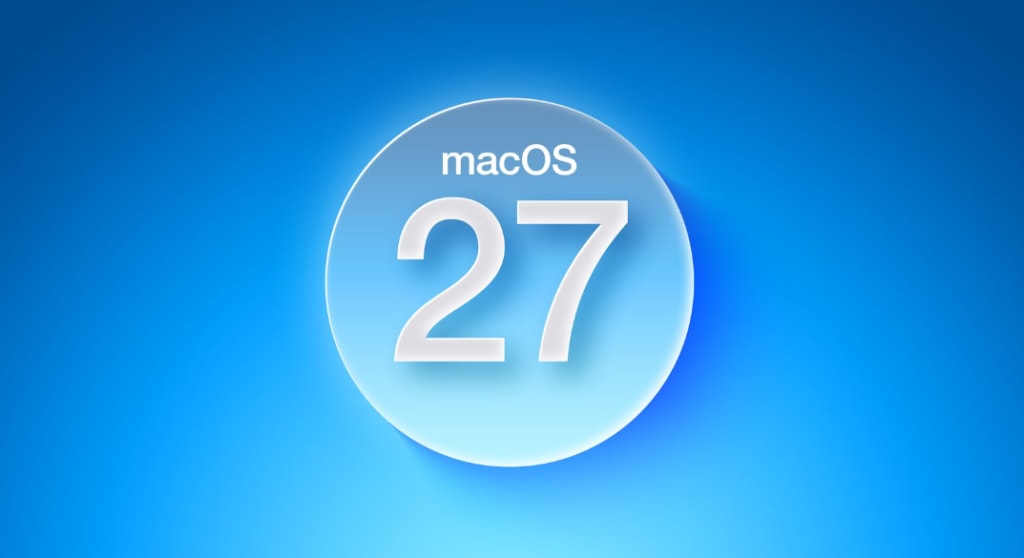
Every year, Apple unveils a new version of macOS, and with each release comes speculation about what’s next for the Mac. Although Apple has not officially announced details about macOS 27, leaks, analyst reports, and industry whispers have already started shaping expectations. If the rumors are accurate, macOS 27 may not be the flashiest update ever — but it could be one of the most important.
From major artificial intelligence upgrades to the possible end of Intel Mac support, here’s a complete breakdown of everything we know so far about Apple’s upcoming desktop operating system.
A Familiar Launch Timeline
If Apple follows tradition, macOS 27 will likely be unveiled at Apple Worldwide Developers Conference (WWDC) in June 2026. Developer betas typically launch immediately after the keynote, followed by a public beta in July. The final version usually rolls out in September or October alongside new Mac hardware.
This predictable schedule allows developers to optimize their apps and ensures a stable release for everyday users in the fall.
A Smarter, More Conversational Siri
The biggest rumor surrounding macOS 27 revolves around artificial intelligence — specifically, a major upgrade to Siri.
Reports suggest Apple is working on a more conversational version of Siri, one capable of handling multi-step questions, remembering context, and delivering more human-like responses. Instead of responding to one command at a time, Siri may soon be able to carry on fluid conversations — similar to modern AI assistants.
Apple has been gradually building its AI ecosystem under its “Apple Intelligence” branding. macOS 27 could represent the next stage in that evolution, bringing deeper system-wide AI integration to the Mac. Imagine asking Siri to summarize emails, organize files, compare documents, or even assist with creative writing — all directly on your device.
Unlike competitors that rely heavily on cloud processing, Apple is expected to continue prioritizing on-device AI for privacy and performance.
Built for Apple Silicon — Intel Era Ending?
One of the strongest rumors suggests macOS 27 will only support Apple Silicon Macs. That means older Intel-based Macs may not receive the update.
Apple began its transition away from Intel processors in 2020, introducing its own M-series chips starting with the M1. Since then, performance gains and energy efficiency improvements have been dramatic. By focusing exclusively on Apple Silicon, Apple can optimize macOS more aggressively and push hardware-specific features further.
For users still running Intel Macs, this could mark the beginning of the end for major OS upgrades — although security updates may continue for a limited time.
This move would symbolize the full completion of Apple’s multi-year processor transition.
A Focus on Stability Over Flash
Interestingly, macOS 27 may prioritize refinement rather than dramatic redesigns.
After years of feature-heavy updates, Apple reportedly wants to focus on performance improvements, bug fixes, and system polish. Some tech insiders compare this rumored strategy to the philosophy behind “Snow Leopard,” a past macOS version known for cleaning up and stabilizing the system rather than introducing flashy features.
If true, macOS 27 could deliver:
Faster boot times
Improved battery efficiency
Smoother multitasking
Better memory management
Reduced system glitches
For many users, stability is more valuable than visual changes — especially professionals who rely on Macs for creative and technical work.
Touchscreen Hints?
Another interesting rumor involves subtle interface changes that may prepare macOS for touchscreen support.
While Apple has historically resisted merging macOS and iPadOS, reports suggest Apple may be designing interface elements that are more touch-friendly. Larger buttons, expanded menus, and optimized gestures could hint at future touchscreen-enabled MacBooks.
Although nothing is confirmed, speculation continues that Apple may eventually release a touchscreen MacBook Pro. If that happens, macOS 27 could quietly lay the groundwork for it.
Even if touchscreens don’t arrive immediately, these interface tweaks could make navigation smoother and more intuitive.
Design Refinements, Not Revolution
Unlike previous macOS versions that introduced dramatic visual changes, macOS 27 is expected to bring subtle refinements rather than a complete redesign.
Apple often fine-tunes animations, transparency effects, and window management with each release. Users may see:
Cleaner system settings
Improved Control Center organization
Enhanced Spotlight search
Minor visual polish across apps
These changes may not grab headlines, but they can significantly improve the everyday user experience.
Deeper AI Integration Across Apps
Beyond Siri, macOS 27 may integrate AI more deeply into core applications.
Potential enhancements could include:
Smart email drafting in Mail
Automatic photo organization in Photos
AI-assisted document editing in productivity apps
Intelligent Spotlight search results
Apple is likely to maintain a strong focus on privacy, meaning many AI features will process data directly on-device rather than sending it to remote servers.
This balance between innovation and security has become a key part of Apple’s identity.
What It Means for Everyday Users
For casual users, macOS 27 may feel like a smoother, smarter version of what they already use. For power users, developers, and creatives, the benefits could be more significant — especially if performance optimizations and AI tools dramatically enhance workflows.
The shift to Apple Silicon-only support will also push users toward newer hardware, ensuring compatibility with advanced features.
Most importantly, macOS 27 appears to reflect a broader shift in Apple’s strategy: building intelligent systems that assist rather than overwhelm.
Should You Be Excited?
Absolutely — but with realistic expectations.
macOS 27 may not introduce revolutionary design changes, but it could mark a major step forward in intelligence, efficiency, and long-term stability. If Apple successfully combines advanced AI with polished performance improvements, this update could shape the Mac experience for years to come.
Of course, all rumors should be taken with caution until Apple officially unveils macOS 27 at WWDC 2026. Until then, the speculation continues — and the excitement builds.
About the Creator
A Gathering of Evil Bosses
“I’m the queen of chin jutting while I smooth my hair, attacking, insulting, and deflecting to protect my appointer.” “Oh, please, Blondi, my hair is curled, highlighted, and longer than yours. I feature television commercials telling immigrants that we will give them a free plane ride home, and if they voluntarily turn themselves in, they will be allowed to legally apply for re-entry. It runs everywhere, and I look good in it! You can’t compete because of your blond hair. Mine is nicer, and my lips are prettier than yours.”
By Andrea Corwin 8 days ago in The Swamp
More US Military Jets Seen Heading Towards Middle East as Build‑Up Continues
The United States is rapidly expanding its military presence in the Middle East, with dozens of fighter jets and support aircraft moving toward the region amid rising tensions with Iran and stalled nuclear negotiations. The deployment marks one of the most significant airpower build‑ups in the region in decades and comes alongside a larger naval force positioned to support a range of contingencies, including potential strikes, deterrence, and defence of America interests. Air & Space Forces Magazine +1 A Surge in Air Power Independent flight‑tracking data and military sources report that more than 50 fighter jets, including advanced aircraft such as F‑35 Lightning IIs, F‑22 Raptors and F‑16 Fighting Falcons, have been deployed toward the Middle East within the last 24 hours, supported by aerial refueling tankers. These aircraft have been observed transiting toward strategic bases in Qatar, Jordan, Saudi Arabia and nearby countries. The movement represents what analysts describe as the largest concentration of U.S. air power in the region since before the 2003 Iraq War, highlighting Washington’s emphasis on rapid response capabilities and increased readiness across the theatre. In addition to the strike aircraft, the U.S. Air Force has repositioned key command and control assets, including airborne early warning radar planes (AWACS) that enhance situational awareness and coordination across long distances. These support aircraft are critical for sustained operations and ensure that combat jets can operate effectively over complex airspace. Strategic Context The surge comes amid protracted indirect talks in Geneva between the U.S. and Iranian representatives over Tehran’s nuclear programme. Discussions have made some progress on broad principles but failed to bridge significant gaps on key issues such as nuclear enrichment limitations and ballistic missile restrictions. Washington’s military posture appears intended to complement diplomatic efforts by increasing pressure on Iran as negotiators seek an acceptable settlement. However, senior U.S. officials have indicated that diplomacy has a time limit, warning that failure to reach an agreement could trigger military options. A Broader Military Presence The aerial buildup is only one component of a broader U.S. buildup in the region. Two aircraft carrier strike groups — including the nuclear‑powered USS Gerald R. Ford and the USS Abraham Lincoln — along with destroyers and support vessels, are positioned in the Arabian Sea and Eastern Mediterranean. These naval assets provide additional strike capacity, air defence and logistical support for operations involving both air and surface forces. In tandem with jets and carriers, heavy transport aircraft, refuelling tankers and logistical support planes such as C‑17 Globemaster III and C‑5M Super Galaxy aircraft have also been redirected to the region. These strategic airlifters bring fuel, supplies and potentially heavy equipment needed to sustain prolonged operations if required. Allies and Regional Stability U.S. partners in the Gulf and broader Middle East have been watching the developments closely. While many governments publicly emphasise de‑escalation, the scale of American deployments increases regional awareness of a potential shift in security dynamics. Some allies view the buildup as a deterrent against possible Iranian‑backed aggression, while others express concern that a heavy U.S. presence could elevate tensions further. aol.com Risks and Preparedness Military planners acknowledge that positioning large numbers of aircraft and support assets near a potential conflict zone carries inherent risks, including potential confrontations with hostile forces or miscalculations that could escalate into open conflict. Nonetheless, U.S. authorities stress that the deployments are defensive in nature, aimed at protecting American interests and allies while retaining options across a spectrum of scenarios. To mitigate risks, the U.S. has also deployed advanced air defence systems and enhanced coordination with allied air forces. These measures are designed to protect bases, aircraft and critical infrastructure from retaliatory strikes or regional instability. Stars and Stripes What Comes Next As Iran negotiators and U.S. officials continue their diplomatic engagements, Washington’s military buildup shows no sign of slowing. The additional fighter jets and support aircraft now en route underline the Pentagon’s desire to maintain operational flexibility while sending a clear signal to Tehran and regional actors. Whether this deployment serves primarily as a deterrent or as preparation for potential military actions will depend on diplomatic developments and decisions made at the highest levels of the U.S. government. For now, the presence of more U.S. military jets heading toward the Middle East underscores the seriousness of the current impasse and the broader stakes involved in regional security.
By Fiaz Ahmed 6 days ago in The Swamp



Comments
There are no comments for this story
Be the first to respond and start the conversation.