
Kennedy Defends Trump Glyphosate Order as MAHA Protests Intensify Before Midterms
Health policy debate over herbicide regulation becomes a political flashpoint ahead of key elections

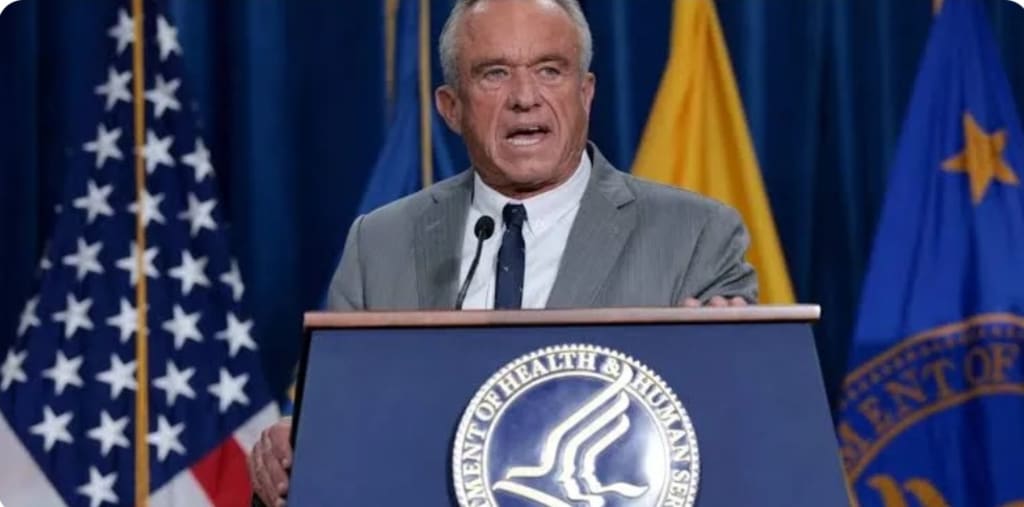
Policy Decision Sparks Political Reaction
A recent federal order tied to glyphosate regulation has sparked debate across public health, environmental, and political circles. The directive, associated with former President Donald Trump’s policy approach, has been defended by Health and Human Services Secretary Robert F. Kennedy Jr., who argues that the move aligns with current scientific assessments and regulatory standards.
At the same time, activist groups, including the organization MAHA, have voiced strong opposition, organizing demonstrations and online campaigns as midterm elections approach. The issue has quickly moved beyond technical regulatory language into a broader discussion about public health, environmental safety, and political accountability.
Understanding Glyphosate and Federal Oversight
Glyphosate is one of the most widely used herbicides in the United States and globally. It is commonly applied in agriculture to control weeds and improve crop yields. The chemical has been the subject of ongoing scientific and legal debate regarding its potential health risks.
Federal oversight of glyphosate primarily involves the Environmental Protection Agency (EPA), which evaluates safety data and sets guidelines for usage. In previous reviews, the EPA has maintained that glyphosate is unlikely to pose a cancer risk when used according to label instructions. However, some international agencies and advocacy groups have raised concerns about possible long-term health effects.
The recent order associated with Trump reportedly reinforces existing regulatory findings and limits additional restrictions unless new evidence emerges.
Kennedy’s Defense of the Order
Robert F. Kennedy Jr. publicly defended the directive, stating that federal agencies must rely on established scientific review processes rather than political pressure. He emphasized that policy decisions should reflect current data and regulatory standards.
Kennedy argued that maintaining consistency in regulatory guidance supports farmers, businesses, and consumers who depend on clear rules. He also noted that ongoing research into glyphosate remains important and that federal agencies continue to monitor developments.
His defense has drawn attention because Kennedy has previously spoken about environmental and public health concerns, making his support for the order notable in policy discussions.
MAHA’s Opposition
The group known as MAHA has criticized the federal stance on glyphosate, claiming that the government should take stronger precautionary measures. Members argue that uncertainties about long-term exposure justify tighter restrictions or reconsideration of approvals.
MAHA has organized rallies and social media campaigns highlighting what it views as insufficient regulatory action. Activists have linked the glyphosate issue to broader concerns about food safety, environmental protection, and corporate influence in policymaking.
As the midterms near, MAHA leaders have framed the debate as part of a larger call for accountability in public health decisions.
The Political Timing
The controversy unfolds at a time when control of Congress is at stake. Midterm elections often heighten scrutiny of federal decisions, particularly those affecting health and environmental regulation.
For Republicans, defending the glyphosate order may align with broader themes of regulatory stability and support for agricultural industries. For Democrats and environmental advocates, the issue provides an opportunity to call for stricter oversight.
The debate reflects how technical regulatory matters can become campaign topics when political stakes are high.
Agricultural and Economic Considerations
Farmers across the United States rely on herbicides like glyphosate to manage crops efficiently. Sudden changes in regulatory policy can affect planting decisions, production costs, and supply chains.
Supporters of the federal order argue that maintaining current guidelines prevents disruption in agricultural operations. They contend that decisions should be grounded in peer-reviewed evidence rather than public pressure.
Opponents respond that economic convenience should not outweigh potential health risks, even if those risks are still debated.
Scientific Debate Continues
The scientific discussion surrounding glyphosate has persisted for years. In 2015, the International Agency for Research on Cancer classified glyphosate as “probably carcinogenic to humans.” In contrast, the U.S. Environmental Protection Agency has concluded that it is unlikely to pose a cancer risk when used properly.
This difference in assessments has fueled legal cases and public concern. Courts have heard lawsuits from individuals alleging harm from long-term exposure, while manufacturers maintain that their products meet safety standards.
Kennedy’s defense of the federal order rests on the EPA’s findings, while critics cite other studies calling for precaution.
Public Reaction and Social Media
Public reaction has unfolded both online and offline. Social media platforms have seen increased discussion about herbicide safety and regulatory transparency. Advocacy groups have shared research summaries, personal stories, and calls for legislative review.
At the same time, agricultural organizations have published statements supporting regulatory continuity. They emphasize the importance of predictable rules and reliance on federal scientific assessments.
The online conversation illustrates how policy issues that were once limited to specialists now draw broad public engagement.
Congressional Oversight and Possible Hearings
Some lawmakers have signaled interest in reviewing the order through congressional hearings or oversight committees. Such reviews could examine how federal agencies evaluate scientific data and communicate risk assessments.
While no formal legislative action has been announced, the possibility of hearings adds another layer to the debate. Congressional involvement may intensify as election campaigns highlight health and environmental concerns.
Both parties may use the issue to appeal to their respective voter bases.
Looking Ahead
As midterm elections approach, the glyphosate debate is likely to remain visible. Campaign messaging may reference regulatory philosophy, public health priorities, and environmental policy.
The outcome of elections could influence future regulatory direction. A shift in congressional leadership might lead to renewed proposals for tighter oversight or additional research funding. Conversely, continued support for the current approach could maintain regulatory stability.
Regardless of political outcomes, federal agencies will continue to review emerging scientific evidence related to glyphosate.
Conclusion
Robert F. Kennedy Jr.’s defense of the Trump-associated glyphosate order has placed health policy at the center of political discussion. Supporters argue that decisions should follow established scientific processes, while critics call for stronger precautionary measures.
The involvement of activist groups like MAHA underscores how environmental and public health issues can shape campaign narratives. As voters prepare for midterm elections, debates over regulation, scientific interpretation, and economic impact are likely to continue.
The glyphosate issue reflects a broader challenge in public policy: balancing scientific assessment, economic considerations, and public concern. The coming months will show how this debate influences both electoral outcomes and future regulatory decisions.
About the Creator
Saad
I’m Saad. I’m a passionate writer who loves exploring trending news topics, sharing insights, and keeping readers updated on what’s happening around the world.
The Saddest Thing - The Billionaires Who Rule America Aren't Even Enjoying Themselves
This single post says more about our ruling class than a thousand policy papers. The saddest thing about today's system is that the men robbing the rest of us - sabotaging our economic prospects, our pensions, our access to affordable healthcare - are not even happy.
By Scott Christenson🌴14 days ago in The Swamp
China Is the Real Threat, Taiwan Says in Rebuke to Munich Speech
The world’s attention turned sharply toward East Asia following a dramatic exchange of words between China and Taiwan after the recent Munich Security Conference. What began as a speech meant to promote China’s vision of global order quickly turned into a flashpoint of geopolitical tension when Taiwan responded with a bold accusation: China is the real threat to regional and international security.
By Sajida Sikandar5 days ago in The Swamp




Comments (2)
I went bankrupt because of my cancer bills. I had to quit my job because of my cancer. I am in terrible health because of the chemo. I am cancer free but in hell.
I am suing Round Up because I had blood cancer. I have tried 3 teams of lawyers. SO far no luck.