
It’s 2 Miles Deep, Close to a Volcano, the Size of 233 Soccer Fields and Home to a Whopping 20,000 Creatures
Exploring one of the most mysterious and biologically rich ecosystems on Earth

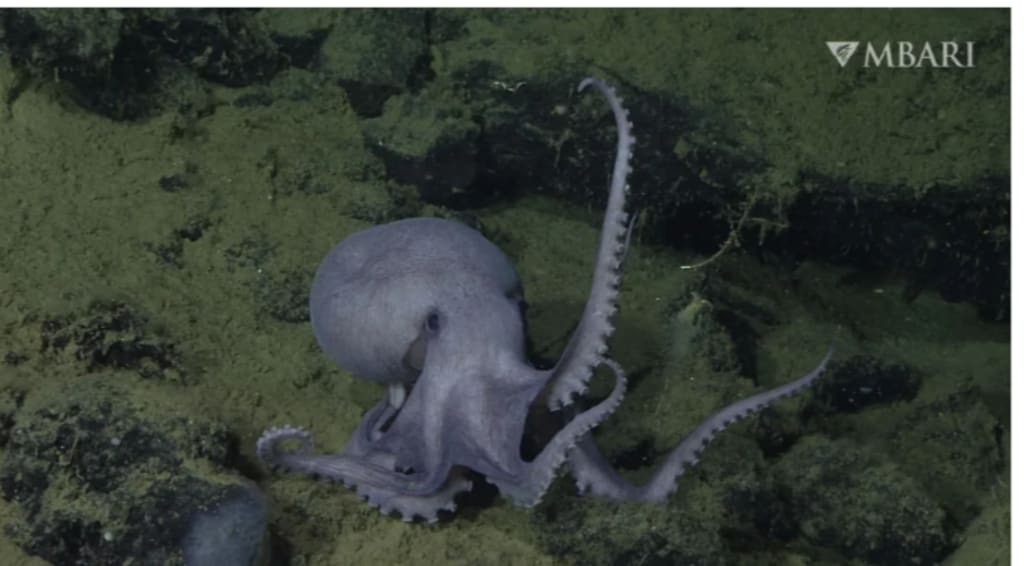
Beneath the ocean’s surface lies a world so alien it could be mistaken for science fiction. Imagine a region two miles deep, located near an underwater volcano, stretching across an area the size of 233 soccer fields, and harboring over 20,000 unique creatures — many of them never seen before by humans. This is not just a fantasy; it is the reality of a recently explored deep-sea ecosystem that is rewriting what we know about life in extreme environments.
🌊 A Hidden World in the Depths
The deep sea is often described as the final frontier on Earth. While humans have mapped the moon and even ventured into space, less than 20% of the ocean floor has been explored in detail. The discovery of this underwater region underscores the vastness and mystery of the deep ocean, where pressure is immense, temperatures are near freezing, and sunlight is entirely absent.
At two miles below the surface, the conditions are extreme. Pressures are more than 200 times that at sea level, and temperatures hover just above freezing. Yet, life thrives here. Organisms have adapted to survive, reproduce, and even thrive under circumstances that would be fatal to most surface species.
🌋 Life Near a Volcano
What makes this ecosystem particularly fascinating is its proximity to an underwater volcano, or hydrothermal vent. These vents release superheated, mineral-rich water, creating a unique environment that supports chemosynthetic life — organisms that produce energy not from sunlight, like plants, but from chemical reactions.
Some key features of vent ecosystems include:
Giant tube worms that grow over 7 feet long and rely on symbiotic bacteria for nourishment
Blind shrimp with highly sensitive antennae to detect chemical cues in the water
Exotic crabs and mollusks that have never been classified before
These creatures form a complex food web entirely independent of the sun, proving that life can flourish even in the most inhospitable environments.
⚡ An Incredible Biodiversity Hotspot
Researchers have documented over 20,000 individual creatures in this area, ranging from microscopic organisms to larger, rare species like predatory deep-sea fish. To put this into perspective:
The site spans 233 soccer fields — roughly 1.2 square kilometers
It contains thousands of microbial species, which are critical for nutrient cycling
Larger creatures, such as deep-sea crabs and squid, rely on these microbes for survival
“This ecosystem is a treasure trove for scientists,” says Dr. Elena Vargas, a marine biologist who has led multiple deep-sea expeditions. “Every dive brings new species to light, some of which could hold secrets about biotechnology, medicine, and even climate resilience.”
🔬 Why This Discovery Matters
The significance of this deep-sea ecosystem extends far beyond sheer curiosity:
Scientific Insights: Studying life in extreme environments helps researchers understand how organisms adapt to stress, pressure, and low light, offering insights into evolution and survival strategies.
Biotechnology Potential: Many deep-sea microbes produce enzymes and chemicals that could be harnessed for pharmaceuticals, industrial processes, and bioengineering.
Climate Research: Hydrothermal vents influence carbon and sulfur cycles, meaning this ecosystem plays a role in global climate processes. Studying it helps scientists predict how oceans respond to climate change.
Conservation Awareness: Deep-sea ecosystems are fragile. Mining, pollution, and climate change threaten these regions before we even fully understand them. Discoveries like this highlight the importance of protecting the last unexplored habitats on Earth.
🌐 The Challenges of Exploring the Deep
Exploring two miles beneath the ocean surface is technologically challenging and expensive. Deep-sea submersibles and remotely operated vehicles (ROVs) are required to withstand extreme pressure, darkness, and corrosive conditions.
Dives often last 8–12 hours, but only cover a few kilometers
High-resolution cameras, robotic arms, and sampling tools are necessary for collecting and documenting species
Data transmission is slow, so much of the analysis happens back on the research vessel
Despite these challenges, recent expeditions have produced stunning photographs and video footage, allowing scientists and the public to witness the vibrancy and strangeness of this ecosystem for the first time.
🐙 Life in the Extreme: Examples of Species Found
Among the 20,000 creatures discovered, a few stand out for their unique adaptations:
Bioluminescent fish that glow in the dark to attract prey or mates
Tube worms that survive in near-boiling water released from vents
Deep-sea crabs with specialized claws to scrape bacteria off rocks
Microbes that digest minerals and metals, creating a foundation for the ecosystem
These species demonstrate nature’s ingenuity and challenge our understanding of what conditions are compatible with life.
🌟 The Takeaway
The discovery of this 2-mile-deep, volcano-adjacent, biodiversity hotspot reminds us that Earth still holds mysteries beyond imagination. With over 20,000 creatures in an area the size of 233 soccer fields, it is a testament to life’s resilience, adaptability, and diversity.
As technology advances, scientists hope to explore deeper, document more species, and understand these ecosystems before human activity puts them at risk. From potential medical breakthroughs to insights into life on other planets, the deep ocean continues to be a frontier where science and wonder meet.
About the Creator
Sajida Sikandar
Hi, I’m Sajida Sikandar, a passionate blogger with 3 years of experience in crafting engaging and insightful content. Join me as I share my thoughts, stories, and ideas on a variety of topics that matter to you.
Keep reading
More stories from Sajida Sikandar and writers in The Swamp and other communities.
Canadian Company Cancels Sale of Virginia Warehouse to ICE
In late January 2026, a major real estate deal drew national attention and then collapsed under public scrutiny. Jim Pattison Developments, a Vancouver-based company, announced it would no longer sell a massive warehouse in Virginia to the U.S. Department of Homeland Security (DHS) for use as an Immigration and Customs Enforcement (ICE) facility. The decision underscores the growing power of community activism, media scrutiny, and corporate accountability in shaping controversial projects.
By Sajida Sikandarabout 3 hours ago in The Swamp
Trump Warns: U.S. Will “No Longer Help Iraq” If Maliki Returns as Prime Minister
Former U.S. President Donald Trump has never been known for subtle diplomacy, and his statement that the United States would “no longer help Iraq” if Nouri al-Maliki were chosen again as prime minister reflects that blunt approach. The remark, controversial and politically charged, reopened long-standing debates about U.S. intervention in Iraq, the legacy of Maliki’s leadership, and Washington’s willingness to condition support on political outcomes in sovereign nations.
By Ayesha Lashari5 days ago in The Swamp
Gold Surges Past Its Sixth Consecutive Record High Safe-haven demand, economic uncertainty and monetary policy shifts drive historic rally
The global gold market has captured international financial headlines with a remarkable streak of record-breaking highs — marking six consecutive sessions in which the precious metal has reached a new all-time peak. This persistent rally reflects deepening global uncertainty, shifting investor behavior, and broader macroeconomic forces reshaping financial markets worldwide.
By Salaar Jamali5 days ago in The Swamp


Comments
There are no comments for this story
Be the first to respond and start the conversation.