
Exclusive: US Special Envoy for Iraq Mark Savaya No Longer in the Post, Sources Say
Leadership change comes amid sensitive US-Iraq security talks State Department silent as diplomatic reshuffle reported Move signals possible shift in regional strategy Sources cite internal review behind envoy’s exit Timing sparks concern among regional observers Baghdad watches closely as key US role changes hands Uncertainty surrounds future direction of bilateral relations

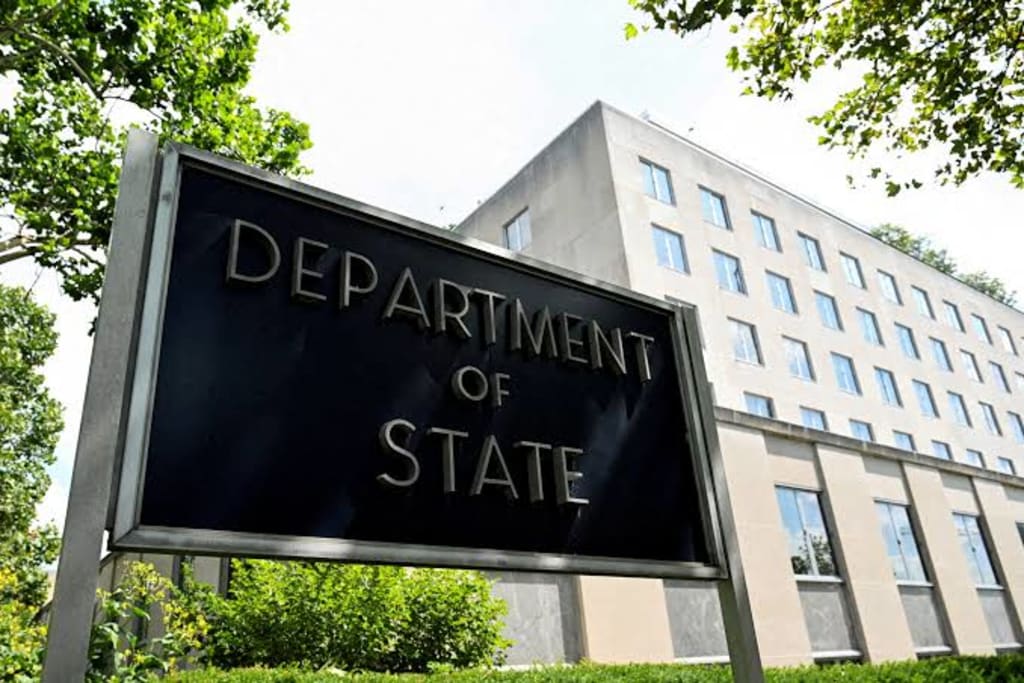
The United States’ special envoy for Iraq, Mark Savaya, is no longer serving in his position, according to multiple diplomatic sources familiar with the matter. The change, which has not yet been formally announced by the U.S. State Department, comes at a sensitive time for U.S.-Iraq relations as Washington and Baghdad continue negotiations over security cooperation and the future presence of American forces in the country.
Officials declined to give specific reasons for Savaya’s departure, describing it instead as part of a broader reshuffle within U.S. diplomatic and security policy teams. However, the move has raised questions about the direction of U.S. engagement in Iraq and the timing of leadership changes during a period of regional instability.
A Key Diplomatic Role
The role of special envoy for Iraq has been central to coordinating U.S. policy across political, military, and economic tracks. The envoy typically serves as a senior liaison between the U.S. government and Iraqi leadership, working on issues including counterterrorism cooperation, political reforms, energy security, and regional diplomacy.
Mark Savaya was appointed to the post amid ongoing tensions between Iraqi political factions and persistent security challenges posed by extremist groups. During his tenure, he was involved in high-level talks with Iraqi officials and regional partners, aiming to stabilize bilateral relations and support Iraq’s sovereignty and economic recovery.
Sources say Savaya’s departure was communicated internally in recent days, though no public explanation has yet been provided.
Timing Raises Questions
Savaya’s exit comes as Iraq navigates a complex political and security landscape. Talks between the U.S. and Iraq regarding the future role of American troops have been ongoing, with Baghdad seeking to redefine the nature of the security partnership while Washington stresses the importance of continued cooperation against extremist threats.
At the same time, Iraq has been under pressure from competing regional influences, particularly as tensions persist between the United States and Iran. Iraqi leaders have sought to balance relations with both sides while maintaining internal stability.
“The timing is significant,” said a former U.S. diplomat familiar with Iraq policy. “Any leadership change at this moment can create uncertainty, especially when negotiations are at a critical stage.”
State Department Response
The U.S. State Department has not officially confirmed Savaya’s departure but acknowledged that staffing changes occur regularly as part of diplomatic rotations.
“We continually evaluate and adjust our diplomatic presence to ensure our policies are carried out effectively,” a State Department spokesperson said. “The United States remains fully committed to its partnership with Iraq and to supporting its stability and sovereignty.”
No successor has yet been publicly named, though sources say an interim official may temporarily assume the responsibilities of the role.
Reaction in Iraq
Iraqi political figures have responded cautiously to reports of Savaya’s departure. Some expressed hope that any new envoy would continue efforts to strengthen cooperation, while others called for greater transparency in bilateral decision-making.
An Iraqi lawmaker from a major political bloc said, “What matters most is the policy, not the individual. Iraq needs a consistent and respectful dialogue with the United States that prioritizes Iraqi interests.”
Analysts in Baghdad noted that the change could influence ongoing discussions about military cooperation, energy investments, and reconstruction projects.
Broader Regional Context
Savaya’s reported exit also takes place amid heightened tensions across the Middle East, including concerns over conflict spillover from neighboring regions and ongoing disputes involving major global powers.
The United States has been reassessing its diplomatic and military footprint in several parts of the region, seeking to balance strategic priorities with domestic political pressures to reduce overseas commitments.
Experts suggest that the move could reflect a broader recalibration of U.S. policy toward Iraq rather than dissatisfaction with Savaya’s performance.
“This could be part of a wider review of how Washington manages its engagement in the region,” said a Middle East policy analyst. “Personnel changes often signal shifts in strategy.”
Challenges Ahead for US-Iraq Relations
Regardless of the reason behind Savaya’s departure, the next special envoy will inherit a challenging portfolio. Iraq continues to struggle with economic pressures, unemployment, and political fragmentation. Security threats from extremist groups remain, even if reduced from their peak in previous years.
Additionally, the presence of U.S. forces remains a politically sensitive issue inside Iraq. Some political groups demand a full withdrawal, while others argue that international support is still necessary to maintain stability.
The envoy’s role will be crucial in navigating these divisions while ensuring that cooperation remains focused on mutual interests such as counterterrorism, economic development, and regional stability.
International Implications
The change in leadership is being closely watched by regional partners and international allies involved in Iraq’s reconstruction and security framework. Countries contributing to training missions and aid programs rely on U.S. coordination to maintain consistency in policy and operations.
Diplomatic observers say uncertainty at the top could temporarily slow negotiations and initiatives until a new envoy is formally appointed.
“Continuity matters in diplomacy,” said one European official involved in Iraq-related talks. “Transitions always create a pause, even if only briefly.”
What Comes Next
Sources indicate that the U.S. administration is expected to announce a replacement in the coming weeks. In the meantime, embassy officials in Baghdad will likely manage day-to-day diplomatic engagement.
Whether Savaya’s departure signals a routine personnel shift or a strategic policy change remains unclear. However, it underscores the fluid nature of U.S. foreign policy at a time of global uncertainty and regional tension.
Conclusion
The reported departure of US Special Envoy for Iraq Mark Savaya marks a notable moment in Washington’s engagement with Baghdad. While officials have downplayed the significance of the move, its timing amid sensitive negotiations and regional instability has drawn attention from analysts and policymakers alike.
As Iraq continues to navigate political and security challenges, the role of the next special envoy will be critical in shaping the future of US-Iraq relations. Until more details emerge, Savaya’s exit leaves unanswered questions about the direction of policy and the priorities of American diplomacy in one of the Middle East’s most strategically important countries.
About the Creator
Fiaz Ahmed Brohi
I am a passionate writer with a love for exploring and creating content on trending topics. Always curious, always sharing stories that engage and inspire.
Keep reading
More stories from Fiaz Ahmed Brohi and writers in The Swamp and other communities.
Ukraine Peace Talks Delayed After Russia and U.S. Meeting Ends Without Agreement
Peace talks aimed at reducing tensions between Ukraine and Russia have been delayed following a high-level meeting between Russian and U.S. officials that ended without a breakthrough. Diplomatic sources confirmed that discussions failed to produce concrete commitments, raising fresh uncertainty about the prospects for ending a conflict that has already caused immense human suffering and global disruption. The postponed talks were expected to include Ukrainian representatives and international mediators, but disagreements between Washington and Moscow reportedly stalled the process before negotiations could formally resume. Diplomatic Efforts Hit a Roadblock Officials familiar with the meeting said the discussions focused on security guarantees, territorial issues, and the possibility of a ceasefire. However, both sides remained firm in their positions, preventing progress toward a compromise framework. U.S. representatives emphasized the need for respect for Ukraine’s sovereignty and international law. Russian officials reiterated concerns about NATO expansion and regional security arrangements. “The gap between positions remains wide,” said a European diplomat briefed on the talks. “Without alignment between major powers, it is difficult for broader negotiations to move forward.” The delay comes at a time when pressure is mounting from the international community for renewed diplomacy amid worsening humanitarian conditions. Impact on Ukraine Negotiations Ukraine had hoped the talks would lead to expanded humanitarian corridors and temporary ceasefires in heavily affected regions. Instead, the delay has left aid organizations uncertain about access to conflict zones. A spokesperson for the Ukrainian government expressed disappointment but stressed that Kyiv remains committed to diplomacy. “We continue to seek a peaceful solution that respects our independence and protects our people,” the spokesperson said. “Dialogue must continue, even when progress is slow.” Ukrainian officials also warned that delays only prolong civilian suffering and deepen economic damage. Humanitarian Crisis Continues The war has displaced millions of civilians and destroyed vital infrastructure across large areas of Ukraine. Hospitals struggle with shortages of medicine and equipment, while many communities lack reliable electricity and heating. Aid groups report that winter conditions have worsened the situation for vulnerable populations, including children and the elderly. Refugees in neighboring countries face uncertain futures as the conflict drags on. “The need for humanitarian access is urgent,” said a representative from an international relief agency. “Every day without agreement puts more lives at risk.” Global Repercussions The conflict continues to affect global markets, particularly energy and food supplies. Ukraine and Russia are major exporters of grain and fertilizers, and disruptions have driven up prices worldwide. European nations remain heavily invested in the outcome of peace efforts, fearing that prolonged instability could further strain their economies and security systems. Financial analysts note that markets reacted cautiously to news of the stalled talks, with investors concerned about the possibility of renewed escalation. “Diplomatic setbacks increase uncertainty,” said one market strategist. “And uncertainty has economic consequences.” Political Pressures on Both Sides Leaders in both Russia and the United States face domestic political challenges that complicate negotiations. Hardline factions in each country oppose concessions, arguing that compromise could be seen as weakness. In Ukraine, public opinion strongly favors restoring territorial integrity, making it politically risky for leaders to accept any agreement perceived as unfair. “These talks are not happening in a vacuum,” said a political analyst. “They are shaped by public sentiment, elections, and long-standing mistrust.” International Response The United Nations and European Union urged both sides to return to negotiations as soon as possible. Several countries offered to host future meetings and act as mediators. A UN official described the delay as “deeply concerning” but said diplomacy remains the only viable path toward peace. “Military solutions will not end this crisis,” the official said. “Only sustained dialogue can do that.” China and other global powers have also called for restraint and renewed engagement, emphasizing the need to avoid further escalation. What Comes Next Diplomatic sources indicate that efforts are underway to reschedule talks within the coming weeks, possibly in a neutral country. Working groups are expected to focus on humanitarian measures, prisoner exchanges, and risk reduction strategies. While a comprehensive peace agreement appears distant, some experts believe smaller confidence-building steps could help restore momentum. “Even limited agreements can create space for broader negotiations,” said a conflict resolution specialist. “The key is keeping channels open.” Hope Amid Uncertainty Despite the delay, many civilians affected by the war still hold onto hope that negotiations will eventually lead to peace. “We are tired of sirens and fear,” said a Ukrainian teacher displaced from her home. “We just want our children to live normally again.” Russian families impacted by economic sanctions and military losses have also expressed frustration with the ongoing conflict. Public fatigue on both sides may increase pressure on leaders to pursue diplomatic solutions more seriously. Conclusion The postponement of Ukraine peace talks following an inconclusive meeting between Russia and the United States highlights the fragile state of current diplomatic efforts. With deep divisions still unresolved, progress toward ending the conflict remains slow and uncertain. Yet the urgency of the humanitarian crisis and the global consequences of continued fighting make renewed negotiations unavoidable. As international mediators work to bring both sides back to the table, the world watches closely, hoping that dialogue can overcome division and lead to a path toward lasting peace. For now, the delay serves as a reminder that peace is not achieved in a single meeting—but through persistence, compromise, and sustained international commitment.
By Fiaz Ahmed Brohia day ago in The Swamp
PLE Results: Girls Outsmart Boys in English Subject
A Surprising Trend in PLE Results The recent Primary Leaving Examination (PLE) results have revealed an interesting trend: girls have outperformed boys in the English subject. While both genders showed commendable performance overall, the data indicates that girls not only scored higher on average but also dominated the top achievers list. This trend raises questions about the factors contributing to girls’ success in English, the implications for teaching strategies, and what it means for future academic and career trajectories. Understanding the PLE and Its Importance The Primary Leaving Examination is a national assessment taken by students at the end of primary school. It is crucial because: Determines eligibility for secondary school Assesses students’ mastery of core subjects such as English, Mathematics, Science, and Social Studies Provides insights into educational performance trends across the country English, in particular, is a key subject because proficiency in it often correlates with future academic success and access to higher education. Girls Lead in English: What the Numbers Say According to official statistics: A larger proportion of girls scored in the Distinction and Credit categories compared to boys Girls accounted for the majority of top-scoring students in English across most districts The average score for girls in English was noticeably higher than that of boys This demonstrates a consistent pattern of female academic excellence in language skills. Why Are Girls Excelling in English? Several factors may explain this trend: 1. Reading and Comprehension Habits Studies suggest that girls are more likely to read extensively, which strengthens vocabulary, comprehension, and writing skills. In contrast, boys often engage less in reading outside the classroom. 2. Classroom Behavior and Focus Teachers report that girls tend to be more attentive, disciplined, and consistent in completing assignments, which positively impacts their English proficiency. 3. Motivation and Communication Skills English requires clear communication, both written and spoken. Girls often show higher motivation to communicate effectively, which translates into better performance in exams. 4. Support from Home and Community In many regions, parents encourage girls to excel academically, especially in language-related subjects, recognizing the long-term benefits for education and career opportunities. Implications for Boys’ Learning While girls are leading in English, this trend also highlights a need to support boys in language learning. Educators suggest: Encouraging boys to read more widely Using interactive and practical teaching methods to engage male students Mentoring programs to boost confidence in writing and communication Addressing these gaps ensures that boys can perform at their potential without being left behind. Teacher Perspectives Teachers nationwide have shared insights: “Girls tend to take their homework seriously and practice more at home,” said one English teacher. “Boys often excel in Mathematics and Science but struggle with reading and writing tasks,” noted another. Many educators suggest introducing innovative classroom strategies to make English more appealing to boys. Student Perspectives Students themselves have reflected on the trend: Female students credit regular reading, essay practice, and speaking exercises. Male students acknowledge the need to improve vocabulary and writing skills, with some stating they plan to read more books and newspapers. These perspectives provide a window into how study habits affect performance in English. Impact on Secondary Education Choices Excelling in English opens doors for students to: Join elite secondary schools with competitive entry requirements Pursue subjects that rely heavily on English proficiency, such as literature, journalism, law, and international studies Build a foundation for career advancement, as English remains a critical language in professional settings Therefore, girls’ success in English could have long-term benefits for their academic and career prospects. Regional Patterns and Variations The trend of girls outperforming boys is not uniform across all districts. Some regions showed smaller gaps, while others had significant differences. Factors contributing to these variations include: Quality of schools and teachers Access to learning resources such as libraries and English materials Community and parental support Understanding these patterns can help policymakers target interventions to improve English proficiency for all students. Government and Policy Response The Ministry of Education has noted this trend and plans to: Develop programs to support boys in language learning Promote reading culture among primary school students Provide training for teachers on innovative English teaching techniques These steps aim to ensure that all children, regardless of gender, have equal opportunities to excel in English. Conclusion: A Positive Shift in Education The PLE results underscore a positive development in girls’ education, highlighting their dedication and capability in mastering English. At the same time, the trend provides an opportunity to address gaps in boys’ learning, ensuring balanced educational outcomes. As schools, teachers, and communities respond to these findings, the future of English education looks promising, with potential for higher literacy, improved communication skills, and more equitable academic success.
By Zahid Hussain3 days ago in The Swamp


Comments
There are no comments for this story
Be the first to respond and start the conversation.