
Commanding Officer of USS Truxtun Relieved After Ship Collision Raises Safety Questions
Naval leadership change highlights operational risks and accountability at sea
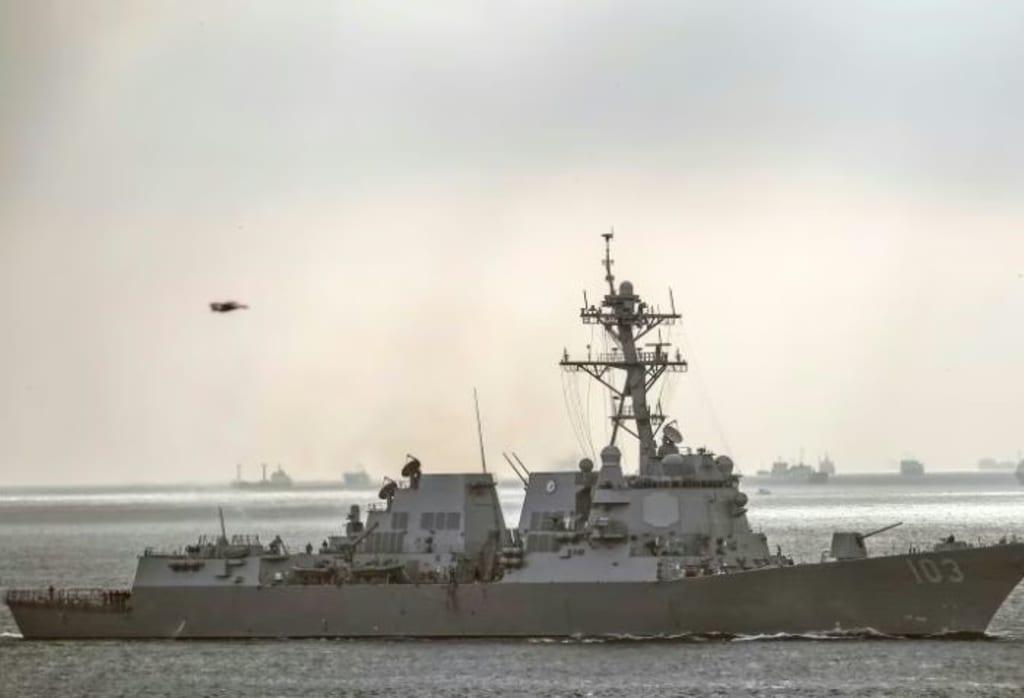
The commanding officer of the guided-missile destroyer USS Truxtun has been relieved of duties following a collision involving the vessel, drawing attention to operational safety, leadership accountability, and the challenges of modern naval operations. The decision, announced by the United States Navy, underscores the military’s strict standards when incidents occur at sea — even when investigations are still underway.
Naval officials stated that relief of command is not automatically a disciplinary action but is often taken to maintain confidence in leadership while a full review of events takes place. Still, such moves are significant, as commanding officers hold ultimate responsibility for the safety, readiness, and performance of their ships and crews.
The Incident at Sea
Details surrounding the collision remain limited, but early reports indicate that USS Truxtun came into contact with another vessel during routine operations. Incidents like these can occur in crowded maritime environments where commercial shipping, military exercises, and challenging weather conditions intersect.
While no major injuries were immediately reported, even minor collisions can result in structural damage, mission disruption, and costly repairs. Naval investigations typically examine navigation decisions, communication procedures, crew readiness, and technical factors such as radar performance or mechanical issues.
Such reviews are thorough and often take months to complete. They aim not only to determine responsibility but also to identify lessons that can improve safety across the fleet.
Why Command Changes Matter
Relieving a commanding officer is one of the most serious administrative actions within naval leadership. Command at sea represents both authority and accountability, and any incident involving ship safety places leadership decisions under scrutiny.
The Navy’s decision reflects a broader culture that prioritizes operational excellence and risk management. Even highly experienced officers can be removed if confidence in their ability to lead is questioned after an incident.
This approach is intended to protect crew welfare, maintain readiness, and reinforce professional standards. It also signals to allies and the public that the Navy treats maritime safety as a top priority.
The Role of USS Truxtun
USS Truxtun is an Arleigh Burke-class destroyer designed for multi-mission operations, including air defense, missile defense, anti-submarine warfare, and maritime security. Ships like Truxtun are frequently deployed in regions where tensions are high or where freedom of navigation operations are conducted.
Because of their advanced capabilities, destroyers often operate in complex environments — escorting carriers, conducting patrols, or participating in multinational exercises. These conditions increase the demands on navigation teams and command leadership.
Collisions involving major warships are rare but not unprecedented. Each incident prompts renewed focus on training, fatigue management, and technological support systems that assist crews in avoiding accidents.
Investigations and Safety Culture
Following maritime incidents, the Navy typically launches both safety investigations and command reviews. Safety investigations focus on systemic factors — procedures, equipment, and environmental conditions — while command reviews evaluate leadership decisions and adherence to protocols.
These processes are designed to be comprehensive rather than punitive. The goal is to prevent recurrence by identifying gaps in training, communication breakdowns, or operational pressures that may have contributed to the event.
Modern naval operations rely heavily on advanced navigation technology, but human judgment remains central. Investigations often highlight how decision-making under time pressure can influence outcomes, especially in congested waterways.
Broader Context: Operational Pressure on Naval Forces
Global naval forces are operating at a high tempo, responding to geopolitical tensions, humanitarian missions, and routine patrols across vast oceans. This pace increases the complexity of scheduling, maintenance, and crew rest — factors that can indirectly affect safety.
Analysts frequently point out that extended deployments and demanding operational schedules can create cumulative strain. While navies invest heavily in automation and training, the human element remains critical.
Incidents like the USS Truxtun collision therefore become case studies in balancing readiness with sustainability. They prompt discussions about staffing levels, training cycles, and the integration of new technologies designed to enhance situational awareness.
Impact on Crew and Fleet Operations
A change in command can be challenging for a ship’s crew, particularly during or after an incident. Leadership transitions require maintaining morale, ensuring continuity of operations, and addressing any concerns arising from the event.
Typically, an interim commanding officer is appointed quickly to stabilize leadership while the investigation proceeds. The crew continues routine duties, including maintenance, training, and mission preparation.
For the broader fleet, such incidents often lead to temporary reviews of procedures across multiple ships. Lessons learned from one event can influence training guidelines, navigation protocols, and operational planning fleet-wide.
Public and Strategic Implications
Naval incidents attract public attention because they involve national security assets and taxpayer investment. Transparency around investigations is important for maintaining trust, though certain operational details are often withheld for security reasons.
From a strategic perspective, even minor accidents can affect deployment schedules and readiness. Warships undergoing inspection or repair may be temporarily unavailable for missions, requiring adjustments elsewhere in the fleet.
However, military organizations emphasize that accountability processes are a sign of institutional strength rather than weakness. Addressing problems openly helps improve long-term performance.
Lessons for the Future
The relief of USS Truxtun’s commanding officer highlights a central principle of naval operations: responsibility ultimately rests with leadership. While technology continues to advance, safe operations depend on training, communication, and sound decision-making.
As investigations move forward, findings are likely to contribute to updated guidance on navigation practices, risk assessment, and crew coordination. These incremental improvements form the backbone of maritime safety culture.
Navies around the world closely study such incidents, sharing insights through joint exercises and professional exchanges. The goal is to reduce risk while maintaining the flexibility needed for complex missions.
Conclusion
The collision involving USS Truxtun and the subsequent leadership change serve as a reminder of the challenges inherent in operating advanced warships in busy maritime environments. While the full details remain under review, the Navy’s swift action underscores its emphasis on accountability and safety.
For the crew, the fleet, and defense observers, the incident highlights the importance of continuous learning in high-stakes operations. Each investigation contributes to safer practices and stronger readiness, ensuring that naval forces remain capable of carrying out their missions effectively.
In the demanding world of modern maritime security, leadership decisions — both during operations and after incidents — shape not only individual careers but the resilience of the entire force.
About the Creator
A Gathering of Evil Bosses
“I’m the queen of chin jutting while I smooth my hair, attacking, insulting, and deflecting to protect my appointer.” “Oh, please, Blondi, my hair is curled, highlighted, and longer than yours. I feature television commercials telling immigrants that we will give them a free plane ride home, and if they voluntarily turn themselves in, they will be allowed to legally apply for re-entry. It runs everywhere, and I look good in it! You can’t compete because of your blond hair. Mine is nicer, and my lips are prettier than yours.”
By Andrea Corwin 6 days ago in The Swamp



Comments
There are no comments for this story
Be the first to respond and start the conversation.