
Columbia Student Detained by ICE Is Abruptly Released After Mamdani Meets With Trump
A high-profile detention case ignites debate over immigration enforcement, political advocacy, and the security of international students on U.S. campuses.
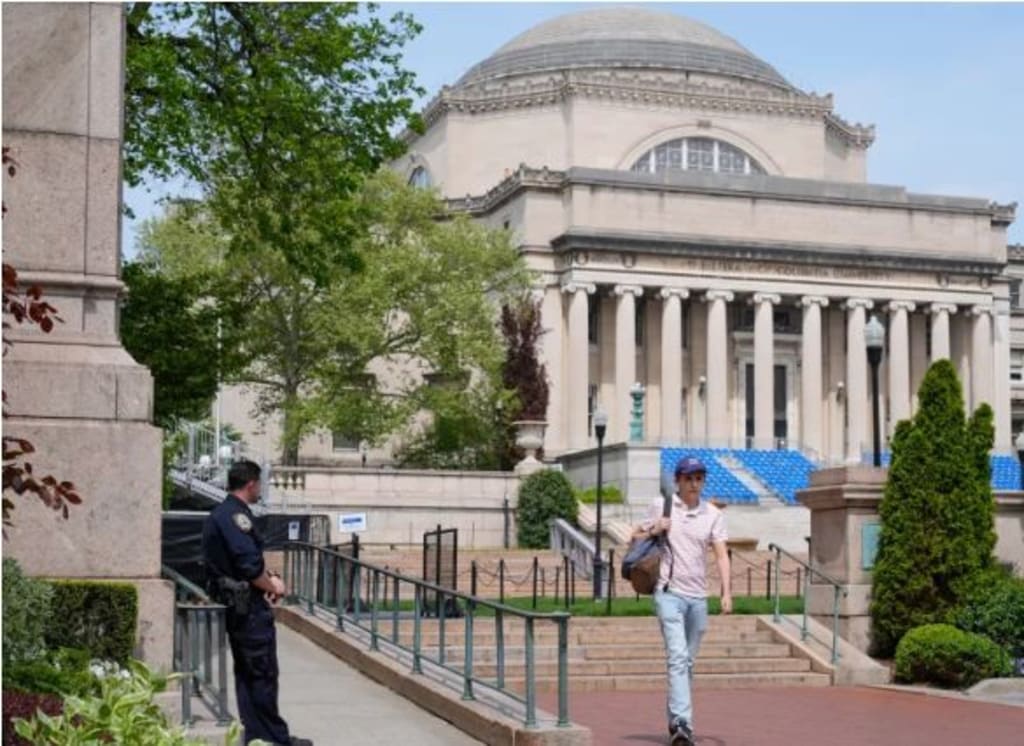
While officials have not publicly confirmed a direct link between the meeting and the decision, the timing has fueled speculation about political intervention and raised questions about how immigration cases involving students are handled.
The Detention That Drew National Attention
The student, whose situation quickly spread across social media and academic circles, was detained by immigration authorities as part of routine enforcement procedures. According to advocates, the individual had been navigating visa or residency complications — a situation not uncommon among international students in the United States.
What made the case unusual was the speed with which it escalated into a public issue. Faculty members, classmates, and immigration rights groups organized petitions, demonstrations, and legal support. University communities across the country expressed concern that detention could disrupt education and create fear among international students.
For many observers, the case became symbolic of broader anxieties about immigration enforcement on college campuses.
Political Advocacy Enters the Picture
Zohran Mamdani, known for his involvement in housing and immigrant rights issues, became one of the most visible political figures advocating for the student’s release. His office reportedly communicated with legal representatives, university officials, and federal agencies while pushing for transparency around the detention.
The situation took a dramatic turn when Mamdani met with Donald Trump. Though the details of the meeting were not fully disclosed, reports indicated that immigration concerns — including the student’s case — were discussed among other policy topics.
Soon after, authorities confirmed that the student had been released from custody pending further proceedings, a development welcomed by supporters but viewed cautiously by immigration experts who noted that release does not necessarily resolve underlying legal issues.
Universities and Immigration Enforcement
The case highlights the complex relationship between universities and federal immigration authorities. Institutions that host large numbers of international students must comply with reporting requirements related to enrollment, visa status, and academic progress.
At the same time, universities often position themselves as advocates for student welfare, particularly when immigration enforcement affects academic continuity. Columbia University officials expressed relief at the student’s release while emphasizing the need for clear communication between federal agencies and educational institutions.
Higher education leaders warn that high-profile detentions can discourage international enrollment, which plays a significant role in research, campus diversity, and university finances.
A Broader Debate on Student Protections
Immigration advocates argue that students occupy a unique position that should be reflected in enforcement policies. They contend that detention — especially when individuals pose no public safety risk — can have disproportionate consequences, including interrupted studies, financial strain, and mental health challenges.
Supporters of stricter enforcement counter that immigration laws must be applied consistently regardless of student status. From this perspective, exceptions risk undermining the credibility of the system.
The tension between these viewpoints has intensified in recent years as immigration policy remains one of the most politically charged issues in the United States.
The Role of Political Pressure
The timing of the release following Mamdani’s meeting with Trump has reignited discussion about how political advocacy influences individual immigration cases. While intervention by elected officials is not unusual, it often raises questions about fairness and precedent.
Legal experts note that members of government frequently contact federal agencies on behalf of constituents, particularly in urgent situations. Such communication can expedite reviews or clarify misunderstandings, though agencies typically maintain that final decisions follow established procedures.
In this instance, the lack of detailed explanation has allowed competing narratives to emerge — one emphasizing successful advocacy, the other stressing routine administrative review.
Impact on International Students
For international students watching the situation unfold, the case has underscored the uncertainty that can accompany immigration status in the United States. Even minor paperwork errors or administrative delays can carry significant consequences.
Student groups say the episode has prompted renewed interest in legal workshops, visa guidance sessions, and campus resources. Universities are also reviewing how they communicate risks and provide support during immigration challenges.
The broader concern is not just detention itself but unpredictability. When rules appear unclear or enforcement seems inconsistent, students may reconsider long-term academic plans.
Public Reaction and Media Attention
The story has drawn significant media coverage because it sits at the intersection of immigration, education, and politics. Social media amplified the narrative, with supporters framing the release as evidence that public pressure works.
Others expressed concern that high-profile cases may overshadow less visible individuals facing similar circumstances without political attention.
This dynamic reflects a recurring pattern in immigration debates: individual stories humanize policy but can also highlight disparities in visibility and resources.
What Happens Next?
Although the student has been released, the legal process is likely ongoing. Immigration cases often involve hearings, documentation reviews, and potential adjustments to visa status. Release typically means an individual can continue studies while proceedings continue rather than facing immediate removal.
Advocates say the focus now shifts to ensuring long-term stability for the student and broader policy clarity for others in similar situations. Lawmakers in several states have already cited the case while calling for reforms aimed at protecting students from sudden detention.
Federal agencies, meanwhile, continue to balance enforcement responsibilities with administrative discretion — a balance that remains politically sensitive.
A Case That Reflects Larger Questions
The Columbia student’s release illustrates how individual immigration cases can become flashpoints for national debate. It raises questions about the boundaries of enforcement, the role of political advocacy, and the responsibilities of universities hosting global student populations.
For supporters, the outcome demonstrates the power of community mobilization and political engagement. For critics, it highlights the complexity of ensuring consistent application of immigration law.
Ultimately, the episode reveals how immigration policy is experienced not only through legislation but through personal stories that unfold in real time. As universities, policymakers, and students continue to navigate this landscape, the case serves as a reminder that behind every policy debate are individuals whose education, careers, and futures are directly affected.
Whether the release represents a one-time decision or signals broader shifts in approach remains unclear. What is certain is that the conversation around immigration enforcement on campuses is far from over — and cases like this will continue shaping how that debate evolves.
About the Creator
Why Black History Matters in America?
The United States of America is celebrating their 250th anniversary in 2026. I'm proud to be an American and as someone who was born here, I wouldn't imagine myself living anywhere else. This is a country where opportunities are possible. Where anyone can be successful in anything they desire to do. Equality, community, and togetherness are the backbones of what America is and should be about. However, we have an administration who wants to erase and disregard those who have made positive, meaningful impacts in our country, specifically Black figures, such as Martin Luther King, Jr., Rosa Parks, and Maya Angelou. President Trump and his administration have been constantly complaining and fighting against what they call the "Woke agenda". They use this excuse as a distraction from other issues they refuse to address, such as the high cost of living, climate change, and inflation. That equality is dividing America, when in reality, it's bringing us together. Being woke is not tied to a specific political party. No matter where you stand on the political spectrum, you can still care about other people and their plights. Compassion and empathy for others isn't tied to a political party, either. We were taught as children to treat others the way we want to be treated and not judge others because they're different from us. Caring about others isn't a personal attack on your beliefs. It doesn't make you any less of a person. People who are easily offended over African American figures, past or present, or anything related to it, are grasping at straws. Current and future generations need to know who people like Harriet Tubman and Shirley Chisholm were, especially in the classroom. Black History is part of American History. It should be recognized, not hidden or forgotten. Besides, you can't shield children from everything, just because your feelings are easily hurt.
By Mark Wesley Pritchard 26 days ago in The Swamp
It's 2026. Songs Turning 10 This Year
In 2016, we saw the rise of short form videos and what would lead to the birth of TikTok. We cannot forget the Snapchat filters no matter how cringe worthy some of them might have been. It was also the year in which the hit series Stranger Things debuted.
By Jasmine Aguilar5 days ago in Beat



Comments
There are no comments for this story
Be the first to respond and start the conversation.