
Britain Arrests a Lawmaker’s Husband on Suspicion of Spying for China
National Security Concerns Deepen as UK–China Relations Face Renewed Strain Over Alleged Espionage Case
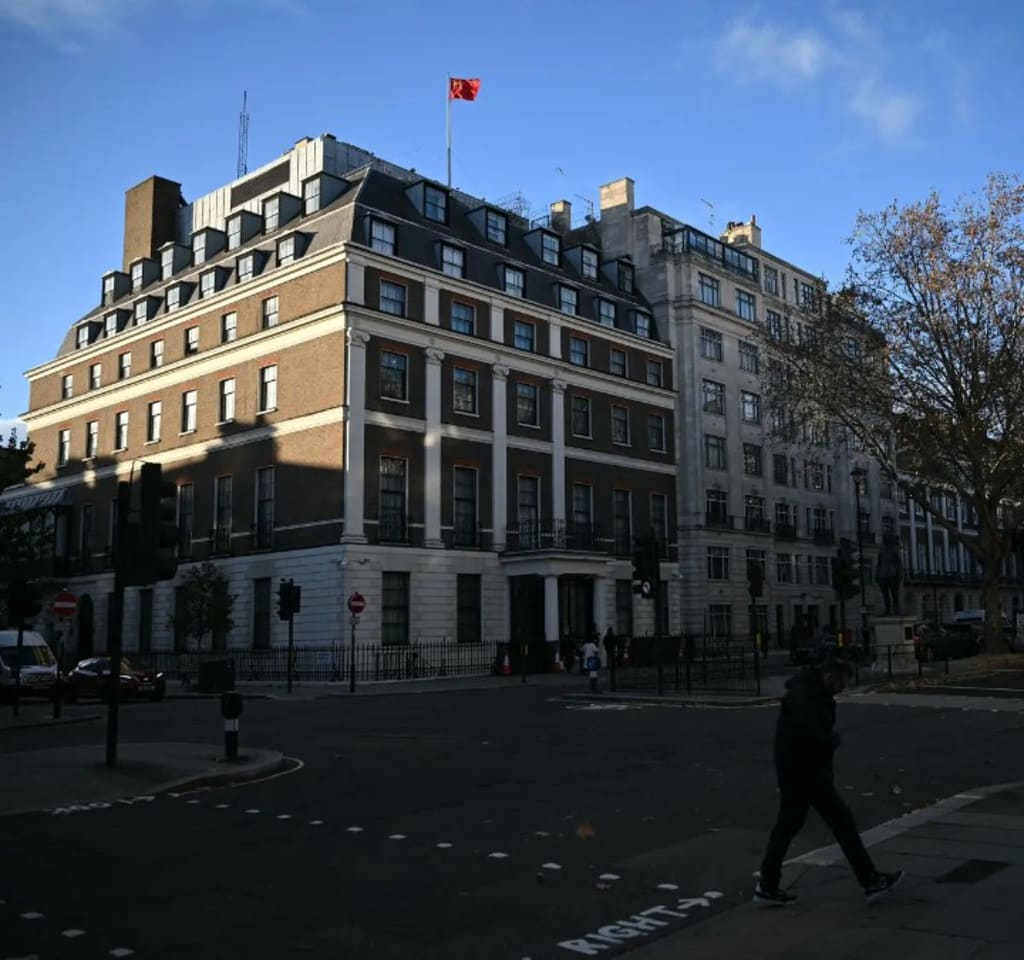
The arrest of a British lawmaker’s husband on suspicion of spying for China has sent shockwaves through the United Kingdom’s political establishment. The case, which intersects national security, diplomatic tensions, and domestic politics, underscores the increasingly complex relationship between Britain and Beijing. As authorities investigate the allegations, the development raises serious questions about foreign influence, intelligence operations, and the safeguards surrounding democratic institutions.
According to reports, the suspect was detained under the UK’s national security framework on suspicion of providing sensitive information to Chinese entities. The arrest was carried out by officers linked to counterterrorism and national security units, reflecting the seriousness of the allegations. While details remain limited due to the ongoing investigation, officials have confirmed that the case is being treated as a potential breach of the Official Secrets Act.
The arrest comes amid heightened scrutiny of Chinese activities in the UK and across Europe. Over the past several years, Britain has recalibrated its stance toward Beijing. Once eager to promote a “golden era” of economic partnership, successive governments have adopted a more cautious approach, particularly in areas involving telecommunications, research collaboration, and critical infrastructure.
Tensions escalated significantly after the UK government restricted the involvement of Chinese technology giant Huawei in Britain’s 5G network rollout. Officials cited national security risks and concerns about potential state influence. This marked a turning point in relations and signaled London’s willingness to prioritize security over economic considerations.
The current case appears to fit within this broader shift. British intelligence agencies, including MI5, have repeatedly warned about the growing sophistication of foreign intelligence operations on British soil. In recent years, MI5 has publicly cautioned lawmakers about potential influence campaigns targeting Parliament. These warnings reflect the evolving nature of espionage, which increasingly blends cyber operations, political engagement, and personal connections.
Although the suspect has not been formally charged at the time of writing, the fact that he is married to a sitting Member of Parliament intensifies the political implications. Lawmakers routinely handle sensitive briefings, engage in private strategy discussions, and maintain access to classified material. Even indirect access through close personal relationships can pose potential vulnerabilities.
The lawmaker in question has publicly stated cooperation with authorities and denied any knowledge of wrongdoing. Political leaders from across party lines have emphasized the importance of due process while reaffirming their commitment to protecting national security. The case has also sparked debate about whether additional safeguards are needed for individuals closely connected to elected officials.
Diplomatically, the arrest adds strain to already fragile relations between London and Beijing. China has frequently rejected allegations of espionage and foreign interference, describing them as politically motivated or rooted in “Cold War mentality.” The Chinese embassy in the UK has previously condemned similar accusations as baseless and harmful to bilateral ties.
Yet Western governments remain wary. Across the Atlantic, the United States has pursued multiple prosecutions linked to alleged Chinese intelligence activities. Within Europe, several countries have expelled diplomats or launched investigations into suspected influence networks. Britain’s latest arrest suggests that such concerns are not isolated incidents but part of a broader geopolitical pattern.
The case also unfolds against the backdrop of Britain’s evolving foreign policy identity after Brexit. As the UK seeks to redefine its global role, it faces the delicate challenge of balancing economic engagement with strategic caution. China remains one of the world’s largest economies and a key trading partner. At the same time, British officials have designated China as a “systemic competitor,” reflecting a nuanced but wary stance.
Security analysts note that espionage is not a relic of the Cold War but a persistent reality of international relations. Modern intelligence gathering often exploits personal relationships, digital platforms, and professional networks. The alleged involvement of a lawmaker’s spouse highlights how intelligence services may target individuals with indirect but valuable access.
Public reaction within Britain has been mixed. Some view the arrest as evidence that security services are vigilant and proactive. Others worry about the potential for political fallout or media sensationalism before the legal process runs its course. Civil liberties advocates caution that national security cases must be handled with transparency and fairness to maintain public trust.
Legal experts point out that prosecutions under the Official Secrets Act can be complex. Authorities must demonstrate not only the unauthorized disclosure of information but also intent and awareness of wrongdoing. If charges are ultimately filed, the trial could shed light on the methods and motivations allegedly involved.
Beyond the courtroom, the incident may influence parliamentary procedures. Discussions are already underway about reviewing security briefings for MPs and strengthening counterintelligence awareness programs. Such measures could include expanded vetting processes or updated guidance on handling sensitive information.
The political ramifications are equally significant. Opposition parties are likely to scrutinize the government’s broader China strategy, questioning whether existing safeguards were sufficient. At the same time, policymakers may face pressure to adopt a firmer stance toward foreign influence operations.
For Beijing, the case represents another diplomatic challenge in its relationship with Western democracies. Chinese officials have consistently denied engaging in espionage or interference, framing such accusations as attempts to contain China’s rise. Nevertheless, repeated incidents across multiple countries have fueled skepticism and mistrust.
As the investigation continues, it remains essential to distinguish allegations from proven facts. The principle of innocent until proven guilty remains a cornerstone of British justice. However, the mere suspicion of espionage within the inner circle of a lawmaker underscores the delicate balance between openness and security in democratic systems.
Ultimately, the arrest serves as a stark reminder that geopolitical rivalries increasingly play out not only in distant capitals but within domestic political spheres. Britain’s response—legal, political, and diplomatic—will signal how seriously it views the evolving challenge of foreign intelligence operations. Whether this case leads to convictions or not, it has already reinforced the reality that national security concerns are deeply intertwined with the personal and political fabric of modern governance.
About the Creator
Keep reading
More stories from Jameel Jamali and writers in The Swamp and other communities.
Minnesota Sues Federal Government Over Withheld Medicaid Funds State claims unprecedented federal action threatens health care for more than a million residents
In a dramatic escalation of a long-running dispute over federal oversight and state health care funding, the State of Minnesota has filed a federal lawsuit against the U.S. Department of Health and Human Services (HHS) and the Centers for Medicare and Medicaid Services (CMS), accusing the Trump administration of unlawfully withholding hundreds of millions in Medicaid funds. The lawsuit, filed on March 2, 2026, comes as Minnesota officials argue that the federal action — driven partly by alleged fraud concerns — threatens vital health services for low-income residents and violates the state’s constitutional rights.
By Jameel Jamalia day ago in The Swamp
A Gathering of Evil Bosses
“I’m the queen of chin jutting while I smooth my hair, attacking, insulting, and deflecting to protect my appointer.” “Oh, please, Blondi, my hair is curled, highlighted, and longer than yours. I feature television commercials telling immigrants that we will give them a free plane ride home, and if they voluntarily turn themselves in, they will be allowed to legally apply for re-entry. It runs everywhere, and I look good in it! You can’t compete because of your blond hair. Mine is nicer, and my lips are prettier than yours.”
By Andrea Corwin 14 days ago in The Swamp
US and Israel Launch ‘Massive’ Strikes on Iran as Trump Calls for Regime Change
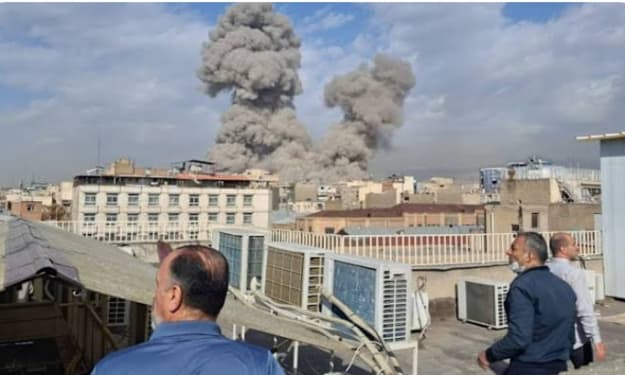
In one of the most significant geopolitical escalations of recent years, the United States and Israel launched large-scale military strikes on Iran, marking the start of what officials described as a “massive and ongoing” campaign against the Iranian government. The operation has rapidly transformed regional tensions into a direct military confrontation that could reshape the balance of power across the Middle East. U.S. President Donald Trump confirmed the attacks in a public address, stating that the operation aims to neutralize what he called “imminent threats” posed by Iran’s missile and nuclear capabilities. The strikes targeted multiple sites across Iran, including military facilities, missile infrastructure, and locations believed to be connected to the country’s nuclear program. � Jerusalem Post +1 Trump went further than previous U.S. leaders by openly suggesting that the campaign could lead to regime change in Iran, urging the Iranian people to take control of their government once the operation concludes. The Military Operation Begins The joint offensive, reportedly coordinated between American and Israeli forces, began in the early hours of February 28, 2026. Explosions were reported in several Iranian cities, including the capital Tehran, as missiles and airstrikes struck strategic military locations. The Israeli government referred to the campaign as Operation Lion’s Roar, describing it as a pre-emptive strike designed to eliminate threats from Iran’s missile systems and nuclear ambitions. � Wikipedia According to early reports: Multiple missile and air-defense installations were targeted. Sites linked to ballistic missile development were struck. Key military infrastructure across several provinces was damaged. Initial casualty estimates from Iranian emergency organizations suggested that more than 200 people were killed and hundreds injured, although these figures remain difficult to independently verify. � Gulf News The scope of the operation suggests careful planning and coordination between the two allies. U.S. and Israeli officials have argued that the strikes were necessary to prevent Iran from expanding its military capabilities and threatening regional stability. Trump’s Call for Regime Change Perhaps the most controversial aspect of the operation was President Trump’s rhetoric surrounding the attacks. In a video statement posted online, Trump called on Iranian citizens and military personnel to abandon the current leadership and take control of their country. He stated that the objective of the campaign is to eliminate threats from the Iranian regime and ensure that Iran cannot develop nuclear weapons in the future. � Jerusalem Post Trump also issued a warning to Iranian military forces, particularly the powerful Islamic Revolutionary Guard Corps, telling them to disarm and cooperate or face severe consequences. His message included two key themes: Protection of U.S. national security Support for the Iranian people against their government By framing the operation as an opportunity for the Iranian population to overthrow its leadership, Trump’s remarks signaled a clear shift from purely military objectives to political transformation. Israel’s Strategic Perspective For Israel, the strikes represent the culmination of years of tension with Iran. Israeli leaders have long argued that Iran’s missile program and nuclear ambitions pose an existential threat to their country. Israeli Prime Minister Benjamin Netanyahu said the operation was launched to remove that threat and create conditions for a safer Middle East. Netanyahu emphasized that Iran’s leadership has consistently called for the destruction of Israel and supported militant groups throughout the region. From Israel’s perspective, allowing Iran to expand its military capabilities would increase the risk of future conflict and destabilize neighboring countries. The decision to act militarily, therefore, reflects a strategic calculation that diplomacy alone has failed to contain Iran’s ambitions. Iran’s Reaction and Threats of Retaliation Iranian officials quickly condemned the attacks, calling them illegal and unjustified acts of aggression. Iran’s foreign ministry accused the United States of abandoning diplomacy and warned that Tehran would respond decisively. Military officials vowed retaliation against both American and Israeli targets. Within hours of the strikes, reports emerged of missile launches toward Israel and U.S. military facilities in the region. Iran’s leadership framed the operation as proof that Western powers are attempting to destabilize the country and impose political change by force. The possibility of further retaliation raises fears of a broader regional conflict that could involve multiple countries. A Region on Edge The Middle East has experienced numerous conflicts over the past decades, but direct military confrontation between the United States and Iran represents a particularly dangerous escalation. Several factors increase the risk of a wider war: U.S. military bases across the Middle East Iranian-backed armed groups operating in several countries Strategic waterways such as the Strait of Hormuz The involvement of other regional powers Any prolonged conflict could disrupt global energy markets, threaten shipping routes, and destabilize neighboring nations. Many governments around the world have urged restraint and called for an immediate return to diplomacy. Global Reactions The strikes have triggered strong reactions from governments and international organizations. Some U.S. allies have expressed support for the operation, arguing that Iran’s missile and nuclear programs present a genuine security threat. Others have urged caution, warning that military action could escalate into a prolonged war with devastating consequences. The United Nations Security Council convened an emergency meeting to discuss the situation, with diplomats calling for de-escalation and dialogue. European leaders in particular have emphasized the importance of diplomatic solutions and warned that regime change efforts could create further instability. The Human Cost of Conflict While geopolitical strategies dominate headlines, the immediate consequences of the strikes are felt by civilians living in affected areas. Explosions in densely populated regions have raised concerns about casualties and infrastructure damage. Hospitals and emergency services across Iran were reportedly placed on high alert following the attacks. Humanitarian organizations have warned that prolonged conflict could lead to displacement, shortages of medical supplies, and severe economic hardship for ordinary people. The humanitarian dimension of the crisis remains one of the most pressing concerns for international observers. Political Debate Inside the United States Within the United States, the strikes have sparked intense political debate. Supporters of the operation argue that confronting Iran militarily was necessary to prevent the country from developing nuclear weapons and threatening American allies. Critics, however, warn that military intervention could lead to another prolonged Middle Eastern conflict similar to previous wars in Iraq and Afghanistan. Lawmakers from both parties have called for congressional oversight and clearer explanations of the administration’s long-term strategy. The question now facing policymakers is whether the operation will remain limited or evolve into a larger conflict. The Uncertain Path Ahead The situation remains highly volatile. Military analysts suggest several possible scenarios for the coming weeks: Limited conflict — short-term strikes followed by negotiations Escalation — continued retaliation between Iran, Israel, and U.S. forces Regional war — involvement of additional countries or armed groups Much will depend on Iran’s response and whether diplomatic channels can reopen. For now, the world is watching closely as the crisis unfolds. A Turning Point in Middle Eastern Politics The joint U.S.–Israel strikes on Iran represent a defining moment in modern geopolitics. By openly linking military action with the possibility of regime change, the United States has taken a bold and controversial step that could reshape the future of the region. Supporters argue the operation could weaken an adversarial government and strengthen regional security. Critics warn it may ignite a conflict with unpredictable consequences. Either way, the events unfolding today will likely influence international relations, energy markets, and global security for years to come.
By Zahid Hussain4 days ago in The Swamp


Comments
There are no comments for this story
Be the first to respond and start the conversation.