
Bolivarian Revolution (SHORT STORY)
By Jesus Eduardo Lopez Alvarez
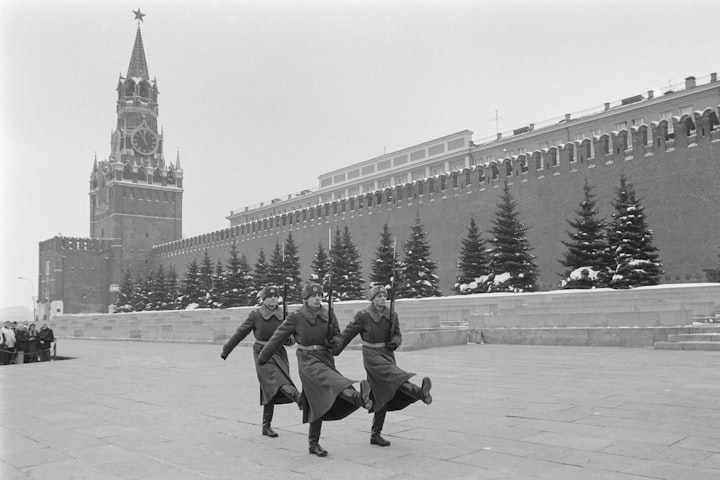
The memories are still fresh, nitid in my mind. It felt like I was in a movie at the moment, but I was scared, we were all scared. Venezuela has always been a really unstable country, but this was my first time really experiencing it, and I don’t think it ever had gotten this bad before. The whole city was paralyzed, and for a whole year, there were on and off protests. The police response was outrageous. You could look out the window to what once was a beautiful city with its green hills and wild, colorful parrots flying around and now there were fires, smoke, explosions, and people running to hide in every single crevice. The evil green men were everywhere and they’d break into your neighborhood and start shooting, looking for people to lock up. Across bridges and parks, there were pictures of the hundreds of teenagers that were murdered by the government, they were 16, 17, and we're just trying to get a breath of fresh air among all the black smoke.
They’d tell you to stay inside because if you went for a walk and got unlucky enough, they would get to you and abuse you. “I didn’t do anything! I was just-” you’d say, but they would just shove a bat to your head or shoot you right there. People were dying everywhere because the country had no money for food or medicines, but they for sure had millions to buy war equipment. Every day that went by it got worse, soon, the internet in the country was limited and many websites were blocked by the government. There were people burning in the streets because of the Molotovs that were being thrown. Electricity and water services would go dry for weeks at a time, leaving our communities in doubt and fear. It is different when you are there. Looking out your window even though your mom told you not to and you see the people that are supposed to protect you, shooting your friends, your neighbors.
The highways and roads across the whole country were filled with people. They looked like the thousands of ants that get out after you’ve destroyed their anthill. More than a hundred thousand men, women, and children, wearing all types of clothing to protect themselves from the outside, asking for freedom, asking for basic human rights. Loudly chanting the voice of change. And unfortunately, they are still doing it. A few months later, I fled to the United States with my mom and we started a new life, almost a new identity. But I never forget Venezuela and I still miss it sometimes.
I’m saying all of this as an analogy to my life and my identity. Yes, Venezuela is part of my identity, and those memories are too, however, the poetic sense of the events are the ones that I relate the most to. The struggling and the fighting, and the bullets and the tears. They constantly try to be better and get a hold of the situation. That’s how I feel every day, I can’t even control myself, but I’m trying just as hard as those kids were trying not to die in the streets in Caracas.
About the Creator
Jesus Eduardo Lopez Alvarez
This is kind of my personal diary, writing things in times of despair or awe :)
Keep reading
More stories from Jesus Eduardo Lopez Alvarez and writers in The Swamp and other communities.
Why Black History Matters in America?
The United States of America is celebrating their 250th anniversary in 2026. I'm proud to be an American and as someone who was born here, I wouldn't imagine myself living anywhere else. This is a country where opportunities are possible. Where anyone can be successful in anything they desire to do. Equality, community, and togetherness are the backbones of what America is and should be about. However, we have an administration who wants to erase and disregard those who have made positive, meaningful impacts in our country, specifically Black figures, such as Martin Luther King, Jr., Rosa Parks, and Maya Angelou. President Trump and his administration have been constantly complaining and fighting against what they call the "Woke agenda". They use this excuse as a distraction from other issues they refuse to address, such as the high cost of living, climate change, and inflation. That equality is dividing America, when in reality, it's bringing us together. Being woke is not tied to a specific political party. No matter where you stand on the political spectrum, you can still care about other people and their plights. Compassion and empathy for others isn't tied to a political party, either. We were taught as children to treat others the way we want to be treated and not judge others because they're different from us. Caring about others isn't a personal attack on your beliefs. It doesn't make you any less of a person. People who are easily offended over African American figures, past or present, or anything related to it, are grasping at straws. Current and future generations need to know who people like Harriet Tubman and Shirley Chisholm were, especially in the classroom. Black History is part of American History. It should be recognized, not hidden or forgotten. Besides, you can't shield children from everything, just because your feelings are easily hurt.
By Mark Wesley Pritchard 14 days ago in The Swamp


Comments