
Bill Clinton Tells Lawmakers He “Did Nothing Wrong” in Testimony About Jeffrey Epstein
Former president says he had no knowledge of crimes as lawmakers from both parties question him under oath

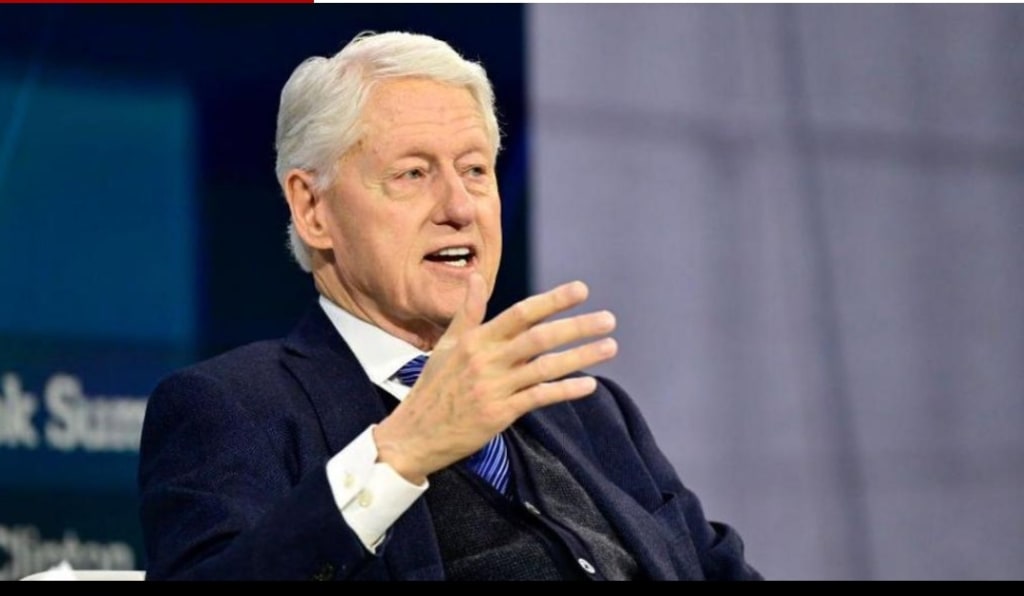
Former President Bill Clinton told US lawmakers that he “saw nothing” and “did nothing wrong” in relation to his past association with convicted sex offender Jeffrey Epstein.
Clinton delivered the remarks during an opening statement in a formal deposition before members of Congress. According to lawmakers present, the former president has been answering questions and cooperating with the inquiry.
The deposition is part of a broader congressional effort to examine the network of individuals who had contact with Epstein before his death in 2019. While Clinton’s name appears in documents connected to the case, there has been no official finding that he engaged in wrongdoing.
Clinton’s Opening Statement
At the start of the session, Clinton addressed lawmakers directly. He said he had no knowledge of Epstein’s criminal activities and that he would have reported him to authorities had he known.
“I saw nothing, I did nothing wrong,” Clinton said, according to lawmakers in the room. He emphasized that his interactions with Epstein were limited to philanthropic and travel-related activities years ago.
Clinton has previously acknowledged that he took several trips on Epstein’s private plane. However, he has consistently denied visiting Epstein’s private island or being aware of any illegal conduct.
His legal team has also maintained that appearing in documents connected to Epstein does not suggest criminal involvement.
Lawmakers Describe a Cooperative Tone
Members of Congress from both political parties said Clinton has been transparent and responsive during questioning. Several lawmakers described the deposition as thorough but orderly.
One lawmaker noted that Clinton was “answering questions” directly and did not appear evasive. Others said the former president appeared prepared to address the issues raised.
The session reportedly lasted several hours, with lawmakers pressing Clinton about the nature of his relationship with Epstein, the trips he took, and any communications between them.
Congressional investigators are reviewing records that include flight logs, contact information, and correspondence gathered during earlier investigations.
Questions About Donald Trump
Lawmakers also questioned Clinton about his knowledge of other high-profile figures who had associations with Epstein, including current President Donald Trump.
According to Democratic lawmakers, Clinton’s testimony included references to Trump’s interactions with Epstein. They said the former president’s remarks introduced what they described as “additional information” about Trump’s relationship with the financier.
Democrats have renewed calls for Trump to provide testimony under oath as part of the same investigation.
Earlier in the day, Trump commented publicly on Clinton’s deposition. “I don’t like seeing him deposed,” Trump said, though he did not elaborate further on his statement.
Trump has previously acknowledged knowing Epstein socially in the past but has denied any involvement in criminal activity.
Possible Release of Testimony Footage
Republican lawmakers have said that video of testimony from former Secretary of State Hillary Clinton could be released publicly. They indicated that the footage might be made available either late Friday or Saturday.
The possible release reflects ongoing political tension surrounding the broader Epstein investigation. Lawmakers from both parties have called for greater transparency, including making testimony and records accessible to the public when legally permissible.
Congressional committees overseeing the inquiry have not yet confirmed a timeline for releasing transcripts from Bill Clinton’s deposition.
The Epstein Files and Public Scrutiny
Clinton’s name appeared in documents connected to Epstein that were made public in previous legal proceedings. These documents include flight logs and other records referencing individuals who had contact with Epstein over the years.
Legal experts have repeatedly emphasized that being named in such documents does not imply criminal behavior. Many individuals listed had professional or social interactions with Epstein before his criminal conduct became widely known.
Epstein pleaded guilty in 2008 to state charges related to prostitution involving a minor. He was later arrested in 2019 on federal sex trafficking charges but died in jail while awaiting trial. His death was ruled a suicide by authorities.
The publication of documents tied to Epstein has led to widespread public scrutiny of political leaders, business executives, and celebrities who had contact with him.
Political Context of the Deposition
The congressional inquiry into Epstein’s network has taken place amid heightened political polarization. Lawmakers have accused each other of using the investigation to target political opponents.
Democrats argue that the inquiry must be thorough and include testimony from all individuals who had significant interactions with Epstein. Republicans have emphasized the need for balanced oversight and equal scrutiny across party lines.
Clinton’s deposition is one of several high-profile testimonies requested as part of the investigation. Lawmakers say their goal is to establish a clear record of who knew Epstein, the nature of those relationships, and whether any warning signs were ignored.
There is currently no indication that Clinton faces criminal charges related to the matter.
Clinton’s Past Statements
Clinton has addressed his association with Epstein in previous years. In earlier public statements, he said he was unaware of Epstein’s crimes and severed contact once concerns were raised.
He has also stated that he would have reported Epstein to authorities had he known about the abuse allegations.
Supporters of the former president argue that his cooperation with lawmakers demonstrates his willingness to answer questions openly. Critics say the inquiry remains important to ensure accountability for all individuals connected to Epstein.
Broader Calls for Accountability
The Epstein case has had lasting political and legal consequences. Victims and advocacy groups have continued to push for transparency and justice.
Members of Congress from both parties say that understanding how Epstein maintained relationships with influential figures is central to preventing similar cases in the future.
Some lawmakers have called for legislative reforms aimed at strengthening oversight of plea agreements, improving protections for trafficking victims, and increasing transparency in high-profile investigations.
While Clinton’s testimony is one part of the broader effort, lawmakers indicate that additional witnesses may be called in the coming weeks.
What Happens Next
Congressional committees are expected to review the transcript of Clinton’s deposition and compare it with existing evidence. Lawmakers will determine whether further questioning is necessary.
Democrats have signaled they may continue pressing for testimony from Trump and others. Republicans have emphasized releasing relevant materials to the public.
It remains unclear whether any new legal action will result from the inquiry. So far, Clinton has denied wrongdoing and there is no official finding linking him to Epstein’s crimes.
The investigation continues to draw national attention, given the prominence of the figures involved and the seriousness of the allegations surrounding Epstein’s activities.
A Continuing Investigation
Clinton’s statement — “I saw nothing, I did nothing wrong” — summarizes his position as lawmakers examine his past connection to Epstein.
His appearance before Congress reflects ongoing efforts to review how Epstein cultivated relationships with powerful individuals and whether any oversight failures occurred.
As committees move forward, the focus remains on transparency, accountability, and addressing unanswered questions tied to one of the most controversial criminal cases in recent US history.
For now, Clinton maintains that he had no knowledge of Epstein’s actions and that his interactions were limited in scope. Lawmakers say the review process is not yet complete, and further developments are possible as testimony and records are analyzed.
About the Creator
Saad
I’m Saad. I’m a passionate writer who loves exploring trending news topics, sharing insights, and keeping readers updated on what’s happening around the world.
A Gathering of Evil Bosses
“I’m the queen of chin jutting while I smooth my hair, attacking, insulting, and deflecting to protect my appointer.” “Oh, please, Blondi, my hair is curled, highlighted, and longer than yours. I feature television commercials telling immigrants that we will give them a free plane ride home, and if they voluntarily turn themselves in, they will be allowed to legally apply for re-entry. It runs everywhere, and I look good in it! You can’t compete because of your blond hair. Mine is nicer, and my lips are prettier than yours.”
By Andrea Corwin 9 days ago in The Swamp




Comments
There are no comments for this story
Be the first to respond and start the conversation.