

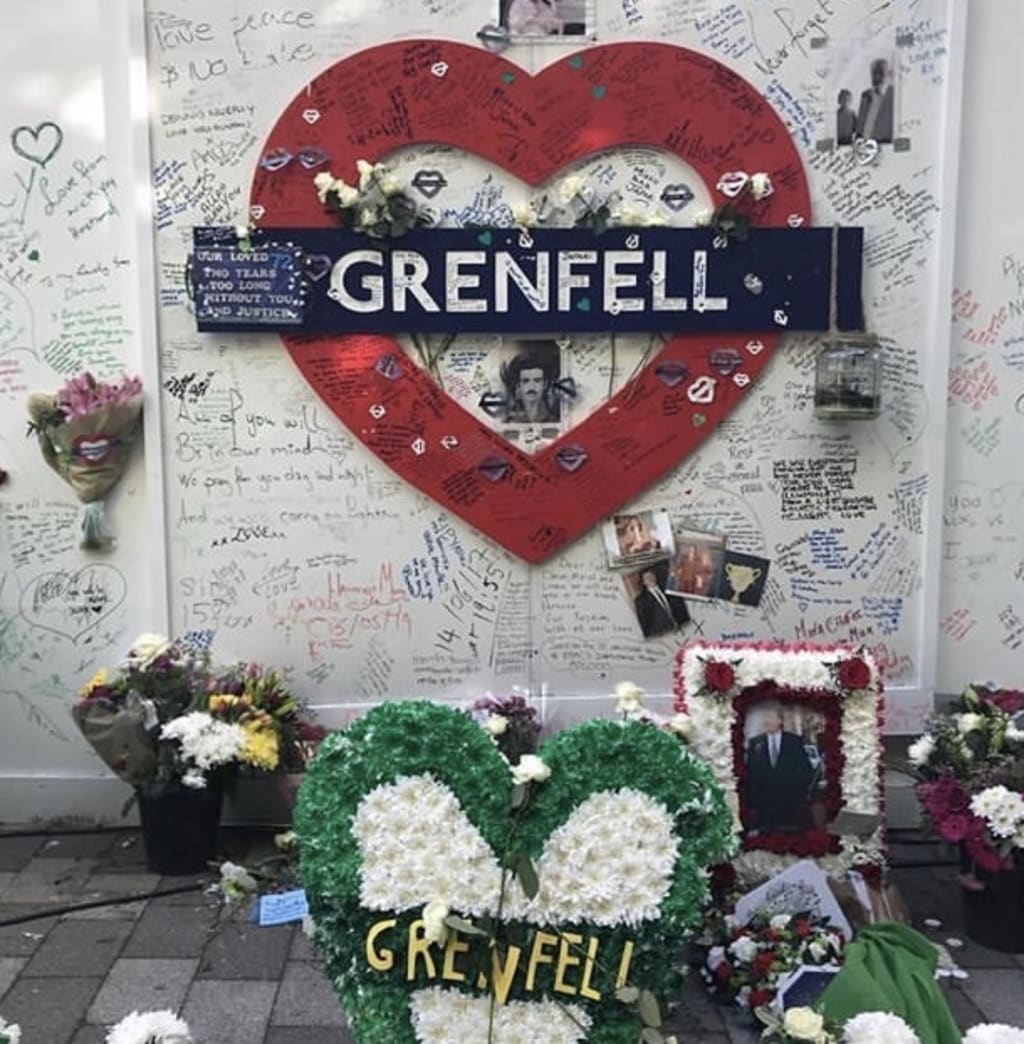
Friday June 14, 2019. Two years since the horrific wildfire tragedy of Grenfell tower—a time for reflection has never been more haunting on the brain. Upon such reflection I’ve found myself trying to piece together the right words, or even the words that are just about adequate enough, to express how two years of government and public apathy have simply flown by. Finding in that time the word “tragedy” would become a sentimental and whitewashed concession for indicting our government with social negligence, and preventable slaughter of working class people of colour. Maybe you, like me, woke up this morning, and thought “wow, has it really been two years?” The world in recent times has been saturated with tragedy and sensationalism. Perhaps, this “tragedy” just fell to the wayside as they all do in a time so swiftly gratifying as this digital age. As they may forever do. And as the news cycle roles on, and the world makes a spectacle of more unnecessary horror, we may forget to ask ourselves if anything has ever even changed.
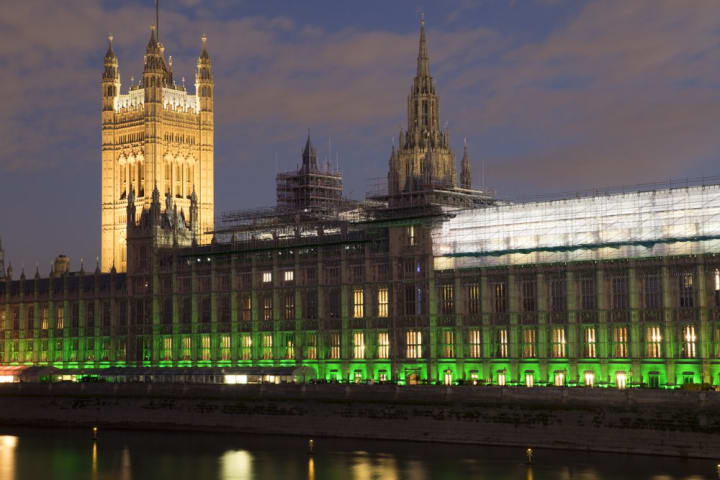
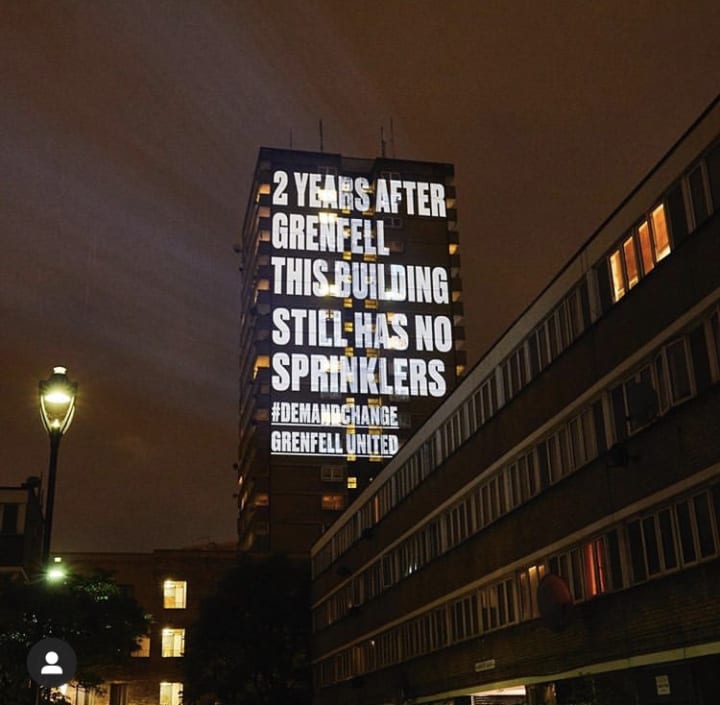
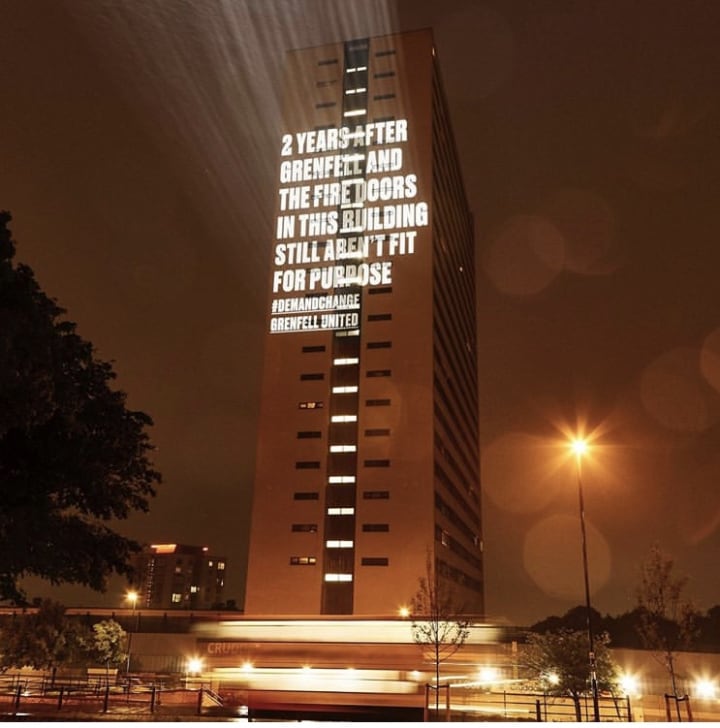
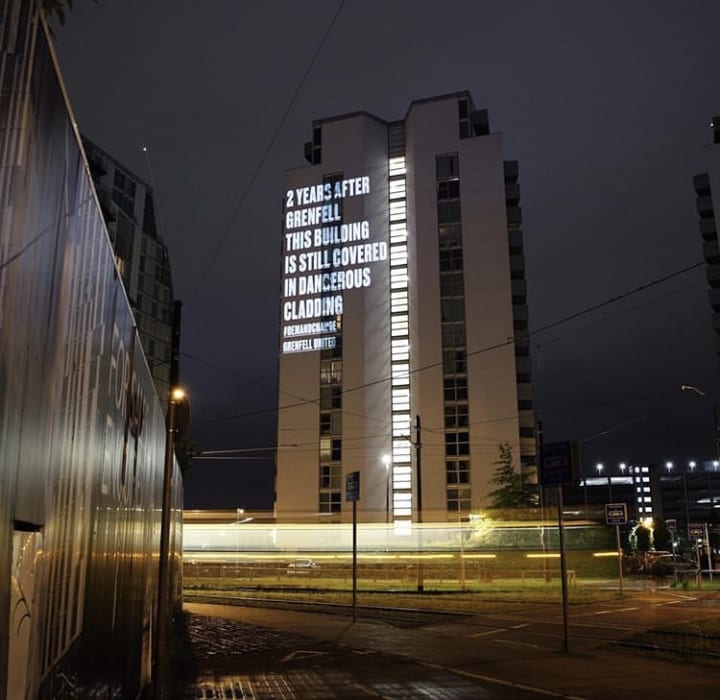
On the night of Grenfell’s anniversary, Parliament was lit green in memorial of the many who lost their lives, their homes, and family members. At the same time three tower blocks across the UK were also lit up. But not in solidarity with parliaments clearly superficial sentiment, but rather as a scathing comment on the lack of government action since the avoidable deaths of two years ago. To this day, the concerns of the working class, disenfranchised, and predominantly ethnically diverse are met with all flash, and no substance. While communities banded together, providing all they could give: contributing to food banks, and donating clothes, our government this week has blasted green lights onto parliament like some impromptu rendition of Wicked. This is not empathy. This is not reflection. To this day the death toll still claims to be 72 with hundreds “missing,” and many who did survive not placed in permanent homes. This is not even what should be considered the bare minimum. But when your government consists of private landlords that benefit from the gentrification of areas like Kensington, and the lack of regulation of council and tower blocks, the lives of those who you cannot profit from is little to concern yourself with. Just an unfortunate misstep in an ongoing disregard for a population of people you don’t really even care for anyway.
About the Creator
Kofo Ajala
University of Bristol student giving you all my opinions you definitely didn’t ask for
Keep reading
More stories from Kofo Ajala and writers in The Swamp and other communities.
Christchurch
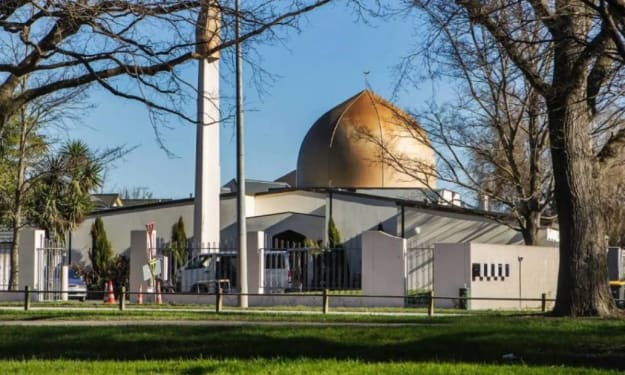
On the March 15, 2019, the world witnessed yet another chilling reminder of the dangers of white supremacy to innocent lives. As it stands, 49 people are known to be dead and over 20 in critical condition following a live streamed slaughter of two mosques in Christchurch, New Zealand. This cold hearted and meditated act of murder has resulted in the loss of innocent lives. Lives of men, children and women who migrated from countries like Bangladesh and Pakistan with the only intention of living and thriving. Some of these lives include Mucad Ibrahim (three), Daoud Nabi (71) and Talha Rashid (21). Rather than validate the poor excuse of a man that felt it was his right to steal these people’s lives, let us remember these names instead and keep them in our thoughts.
By Kofo Ajala7 years ago in The Swamp
The Saddest Thing - The Billionaires Who Rule America Aren't Even Enjoying Themselves
This single post says more about our ruling class than a thousand policy papers. The saddest thing about today's system is that the men robbing the rest of us - sabotaging our economic prospects, our pensions, our access to affordable healthcare - are not even happy.
By Scott Christenson🌴6 days ago in The Swamp


Comments
There are no comments for this story
Be the first to respond and start the conversation.