
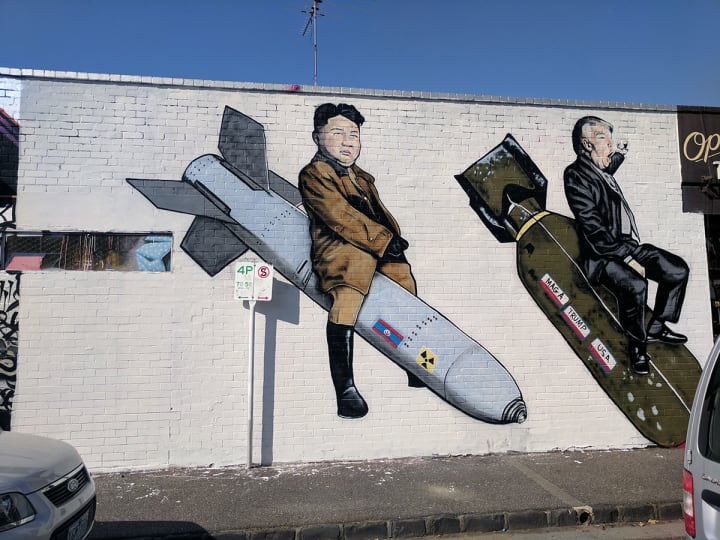
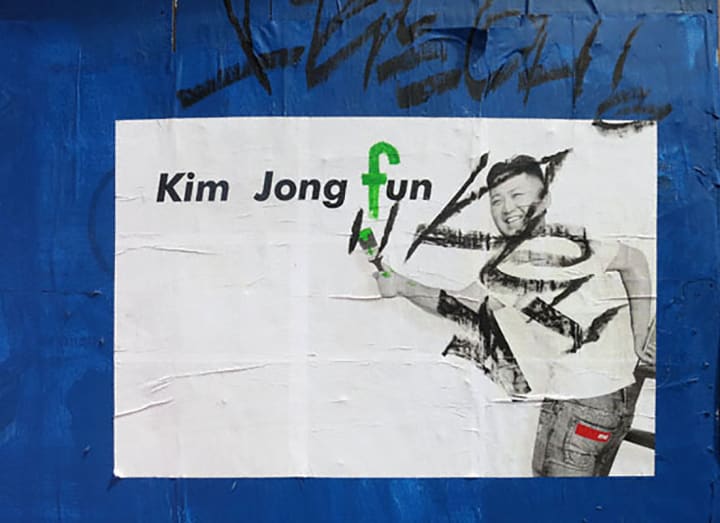
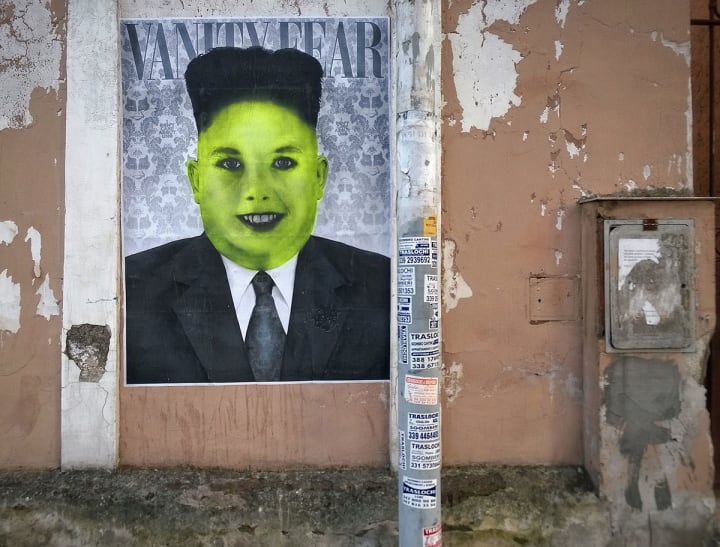
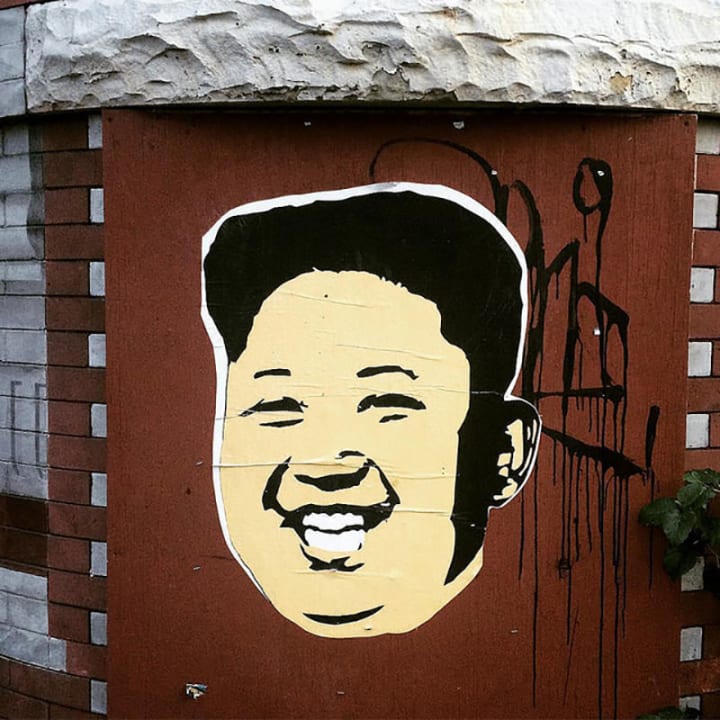
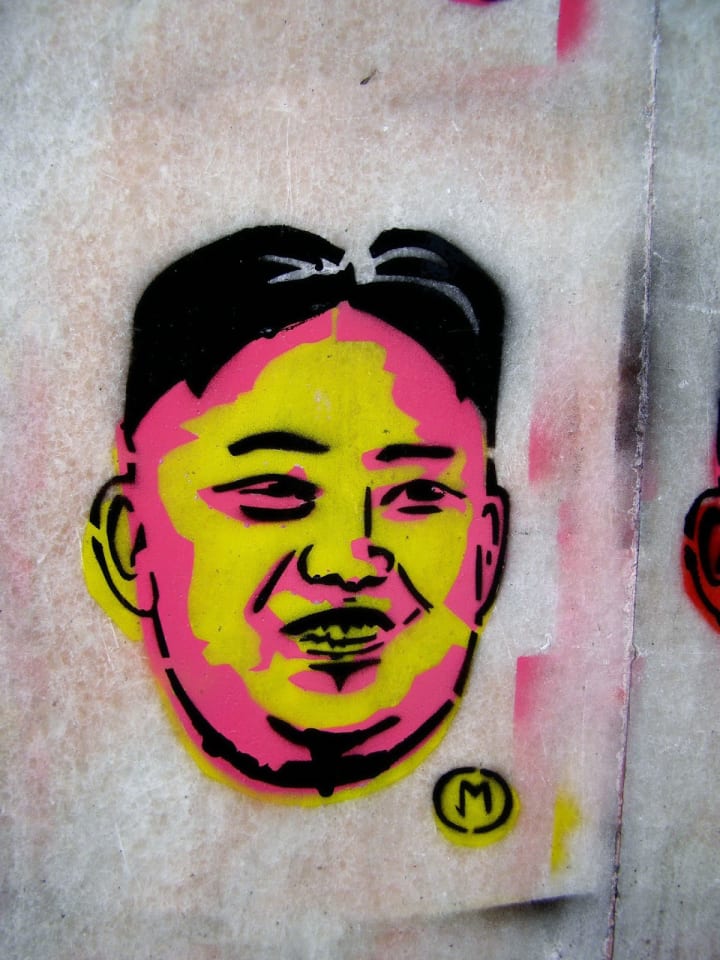
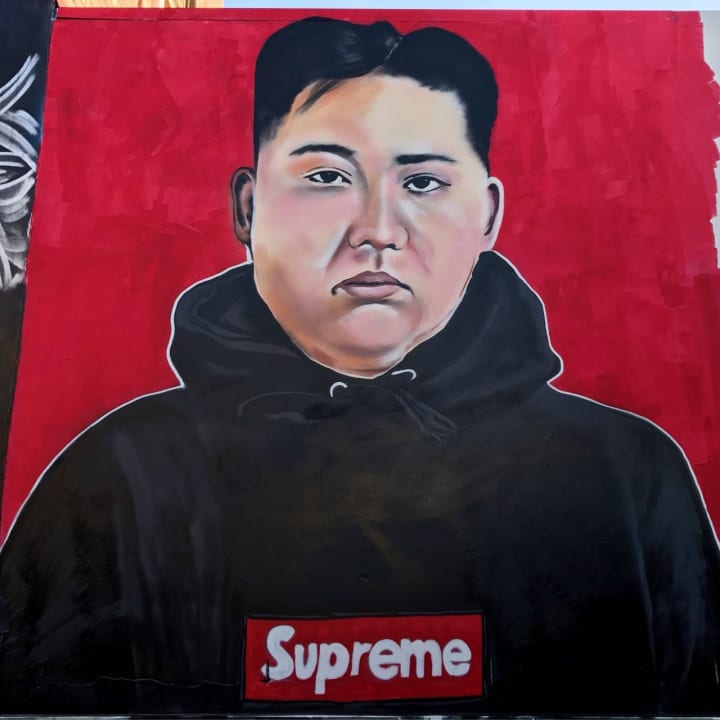
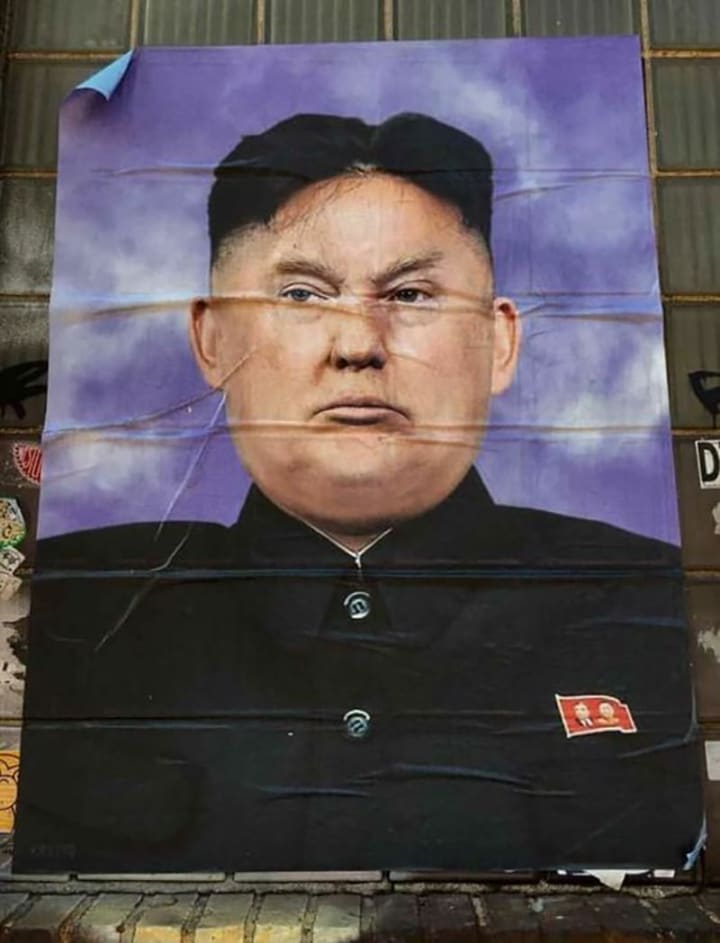
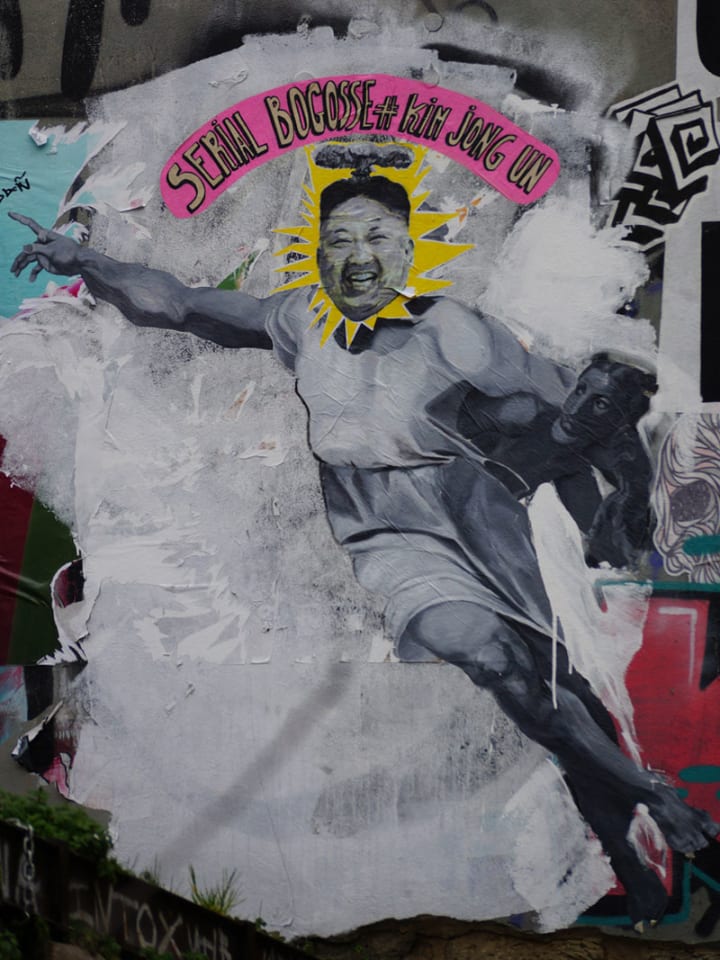
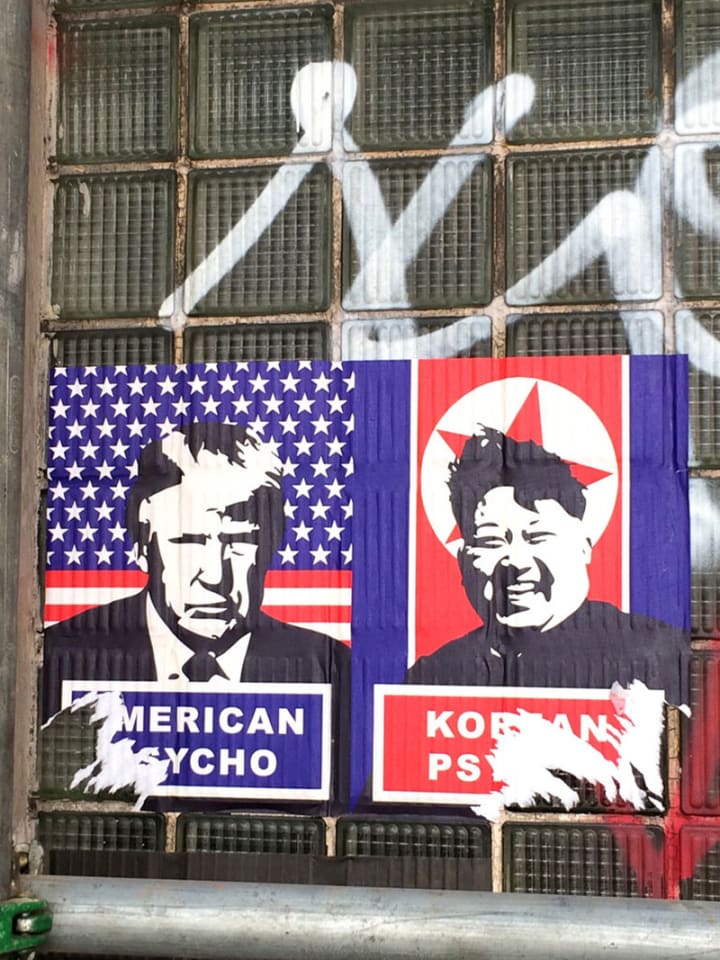
17 Amazing Examples of Street Art Trolling Kim Jong Un
Kim Jong Un street art is being thrown up around the globe — and all of it is poking fun at the dictator's idiocy.


The insanity that is DPRK has caused a wave of Kim Jong Un street art to be made — and all of it is lampooning the dictator.








About the Creator
A. Walter Cox
Keep reading
More stories from A. Walter Cox and writers in The Swamp and other communities.
23 Donald Trump Illustrations that Sum Up America's Feelings Perfectly
Humanity has always had a history of expressing social, political, and personal views using artwork. In Ancient Greece, the artwork extolling political figures took the form of statues and paintings on amphorae. In the 1850’s, it was a political cartoonist by the name Thomas Nast who outed Boss Tweed’s corruption through the form of easy to understand comics published in a local paper. Today, artists who are inspired to speak out against political figures are doing so through digital art - and what these pictures showing Trump definitely say more than a thousand words on how the artists feel about the president’s actions.
By A. Walter Cox9 years ago in The Swamp
Companies Are Ditching Business With ICE
As national protests against immigration enforcement intensify — especially after recent shootings by ICE agents in Minneapolis — pressure on corporations with contracts or ties to U.S. Immigration and Customs Enforcement (ICE) is rising sharply. In response to public backlash from consumers, employees, activists, and even shareholders, some companies are now ending or reconsidering their business relationships with ICE. � Houston Chronicle +1 Capgemini Divests U.S. Subsidiary Over ICE Contract One of the most high‑profile examples of this shift comes from European technology and consulting firm Capgemini. Capgemini announced it will divest its U.S. subsidiary, Capgemini Government Solutions (CGS), which had a multimillion‑dollar contract providing services to ICE — including controversial “skip tracing” tools used to locate individuals targeted for enforcement. � Gizmodo +1 The company’s leadership acknowledged the backlash and reputational risk linked to the contract, noting that the unit accounted for only a small fraction of total revenue — but that public and governmental scrutiny made the association untenable. � AP News Capgemini’s shares even rose after the announcement, signaling that some investors view the move as a proactive response to reputational concerns. � Reuters This decision is notable not just because Capgemini is a major global firm, but because it reflects international scrutiny on U.S. immigration enforcement policies and corporate participation. U.S. Companies and ICE Contracts Under Fire While Capgemini’s move is one of the clearest examples of divestment, a broader debate is unfolding around U.S. companies with active or historical ties to ICE: Avelo Airlines Ends Deportation Flights Houston‑based Avelo Airlines confirmed that it will stop operating deportation flights for ICE out of Arizona, a decision that sparked mixed reactions from local media and activists. � Houston Chronicle Public Pressure on National Brands Activists have increasingly called out major corporations for their perceived neutrality or silence over ICE policies, including targeting companies like Target during protests demanding they cut ties or take public stances against enforcement operations. � FOX 13 Seattle In Minneapolis and other cities, major employers such as General Mills, Target, and Caribou Coffee have faced pressure as local communities struggle with the impacts of ICE activity. � Star Tribune Shareholders and Internal Critics Criticism isn’t limited to external protests. Shareholders of firms like Bering Straits Native Corporation (BSNC) have asked leadership to divest from federal contracts tied to ICE, arguing that such business deals conflict with corporate values. � The Nome Nugget Companies Still Contracting With ICE — And Why It Matters Despite these moves, many corporations still maintain ICE contracts or work indirectly with the agency through government service arrangements. For example: Large contractors such as Palantir Technologies have ongoing data and operational contracts with ICE, playing a core role in building enforcement technology platforms. � Wikipedia Many Fortune 500 firms provide goods, services, or technology support to ICE field offices — from delivery services to IT systems — although some of these contracts are relatively small and set to expire in the coming months. � aol.com Advocates argue that exposing and challenging these relationships can put further pressure on both corporations and policymakers in Washington, particularly in light of renewed debates over immigration policy and the agency’s expanding role under the Trump administration. Why Companies Are Cutting Ties or Facing Pressure There are several key reasons why businesses are reconsidering their relationships with ICE: 1. Brand and Reputation Risk Public backlash over corporate ties to controversial enforcement actions — especially those that have resulted in deaths or heavy‑handed operations — threatens consumer loyalty and brand value. This is particularly true for companies with strong global consumer bases. 2. Employee and Shareholder Activism Workers and investors increasingly expect companies to act in line with ethical values. When a business is linked, even indirectly, to enforcement activities that harm communities, internal pressure can grow for leadership to take action — as seen with BSNC and other shareholder challenges. � The Nome Nugget 3. Political and Regulatory Scrutiny International and governmental criticism, including from French officials in Capgemini’s case, elevates the reputational stakes of continuing controversial contracts. � AP News 4. Public Campaigns and Boycotts Across U.S. cities, campaigns such as “ICE Out” are calling for companies to publicly denounce or discontinue support for ICE, leading to protests targeting major brands. � FOX 13 Seattle Not Just Divestment — A Broader Corporate Reckoning The trend is part of a broader conversation about corporate responsibility, ethics, and the intersection of business and public policy: Grassroots movements and advocacy groups are pushing for more transparency and accountability from corporations that hold government contracts, particularly those involving enforcement or surveillance technologies. � The Nation Some activists believe that reducing corporate support for enforcement agencies could weaken those agencies’ capacity to carry out controversial operations, essentially forcing policy change through economic means. � Reddit However, not all companies are willing or able to end contracts — especially if they involve long‑term government procurement or critical technology infrastructure. This underscores the complexity of disentangling private sector interests from federal enforcement systems. What Comes Next As protests and public debates over immigration enforcement continue, it’s likely that: More companies will face scrutiny over their ties to ICE and related agencies. Consumer and employee campaigns may grow, especially on social media and grassroots organizing platforms. Investors may increasingly weigh ethical considerations when evaluating corporate governance and risk exposure. The broader trend reflects a moment where corporate values, public policy, and civic activism intersect — with companies weighing not just profitability but social and ethical impact.
By Zahid Hussainabout 15 hours ago in The Swamp
Politicians Agree to Stop Using Social Media Site
In a rare show of unity, a group of senior politicians from multiple parties have agreed to stop using a popular social media platform following growing concerns over misinformation, data security, and foreign influence. The decision marks a significant shift in how political leaders communicate with the public in the digital age and reflects rising global anxiety about the power and impact of social media on democratic institutions. The agreement was announced after weeks of internal discussions and security briefings. Lawmakers said the move was not intended to restrict free speech but to protect national interests and promote responsible communication. Several officials confirmed that government departments and party offices would also reduce their presence on the platform in the coming weeks. Security and Misinformation Concerns Officials cited national security risks as one of the main reasons for their decision. Intelligence agencies reportedly warned that the platform could be vulnerable to data breaches and manipulation by foreign actors. According to government sources, there were fears that private communications, location data, and user behavior could be accessed or exploited in ways that threaten public safety. Misinformation was another key concern. Politicians argued that false or misleading content spreads rapidly on social media and often reaches millions before it can be corrected. This, they said, has damaged public trust and fueled political polarization. “We cannot continue to rely on platforms that reward outrage and disinformation,” one senior lawmaker said. “Political communication must be transparent, factual, and secure.” The decision follows several high-profile incidents in which fake news stories and manipulated videos circulated widely online during election campaigns and international crises. A Coordinated Political Move Unlike previous individual boycotts, this decision is notable because it involves members from both government and opposition parties. Analysts describe it as a coordinated effort to set an example for responsible digital behavior. Political leaders will now rely more heavily on official government websites, press briefings, and traditional media channels such as television and newspapers to communicate policies and announcements. Some have also said they will use encrypted and verified platforms designed specifically for official communication. A joint statement released by participating politicians emphasized that the move is temporary and will be reviewed regularly. It also called on social media companies to improve their transparency, moderation policies, and data protection standards. “We believe technology should serve democracy, not weaken it,” the statement said. Reaction from the Public and Media Public reaction has been mixed. Some citizens welcomed the decision, saying social media has become toxic and harmful to political discourse. Others criticized the move as outdated and disconnected from modern communication habits. “Young people get their news from social media,” said a university student in the capital. “If politicians leave these platforms, they risk losing touch with a whole generation.” Media organizations largely supported the decision, arguing that it could encourage more thoughtful and in-depth political discussion. Journalists noted that social media often reduces complex issues to short, emotional messages that lack context. Press freedom groups, however, warned that politicians must still remain accessible and accountable to the public. They stressed that abandoning one platform should not mean limiting public engagement. Impact on Elections and Campaigning The decision could significantly change how future election campaigns are run. Social media has become a central tool for fundraising, advertising, and voter outreach. Without it, political parties may return to more traditional methods such as rallies, door-to-door canvassing, and televised debates. Campaign strategists say this shift could reduce the influence of viral content and online manipulation but may also increase campaign costs. “Social media was cheap and fast,” said one political consultant. “Without it, campaigns will need to invest more in grassroots organization and mainstream media.” Some experts believe this change could benefit democracy by slowing down the news cycle and encouraging voters to focus on verified information rather than emotional reactions. Pressure on Technology Companies The politicians’ decision has placed new pressure on social media companies to reform their practices. Several firms issued statements defending their platforms and promising to improve security and content moderation. One company spokesperson said, “We are committed to working with governments to address concerns while protecting freedom of expression.” Technology analysts predict that if more governments adopt similar policies, social media companies may be forced to redesign how political content is handled. A Broader Global Trend This development is part of a wider international trend. Several countries have already restricted the use of certain platforms on government devices due to cybersecurity risks. Others are considering stricter regulations on political advertising and data collection. Experts say the move reflects growing awareness that digital platforms can shape political behavior and public opinion in powerful ways. “The digital world is no longer neutral,” said a political science professor. “Governments are beginning to realize they must set boundaries.” Looking Ahead While the agreement does not ban social media outright, it sends a strong message about the responsibilities of political leaders in the information age. Whether the decision will last depends on public reaction and on how social media companies respond to the concerns raised. For now, the move represents a turning point in political communication—one that highlights the tension between technological innovation and democratic accountability. As societies continue to grapple with misinformation and digital security, the question remains: can politics exist without social media, or will new platforms emerge to fill the gap? Only time will tell.
By Fiaz Ahmed 2 days ago in The Swamp




Comments
There are no comments for this story
Be the first to respond and start the conversation.