
How Blockchain Technology is Revolutionizing Supply Chain Management
Exploring the Benefits and Real-World Applications of Blockchain in Supply Chain Management
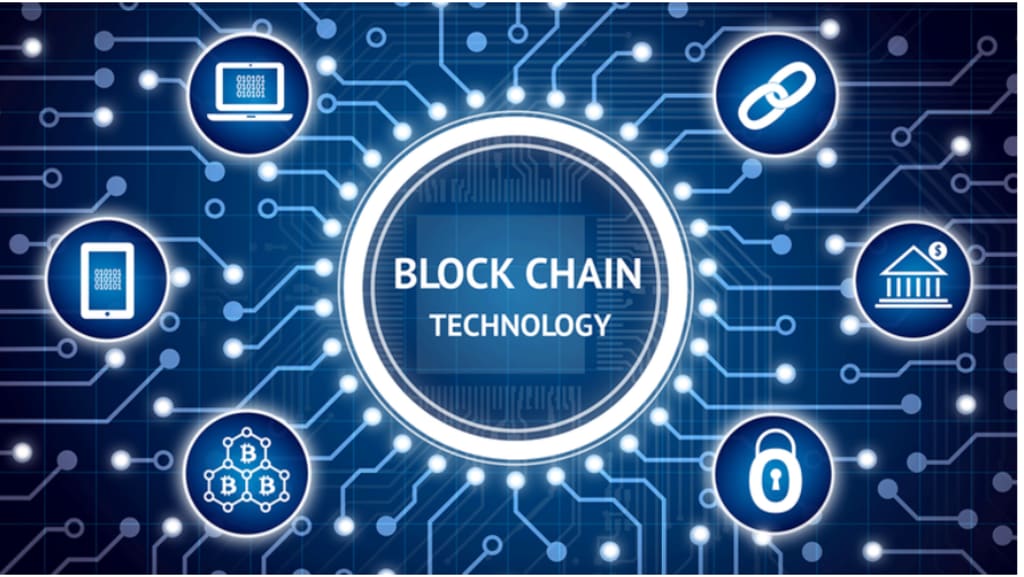
Blockchain technology has been making waves in various industries due to its ability to provide a secure and transparent platform for transactions. One of the industries that have been significantly impacted by blockchain is supply chain management. In this article, we will discuss how blockchain technology is revolutionizing supply chain management.
1. Introduction to Blockchain Technology
Blockchain technology is a decentralized digital ledger that records transactions in a secure and transparent way. Each block in the blockchain contains a record of transactions that are validated by a network of nodes. Once a block is added to the chain, it cannot be altered or deleted, making it an immutable record of transactions.
2. The Importance of Supply Chain Management
Supply chain management refers to the coordination and management of the flow of goods, services, and information from the supplier to the end consumer. Supply chain management plays a crucial role in the success of businesses as it can impact their competitiveness, profitability, and customer satisfaction.
3. Challenges in Supply Chain Management
Supply chain management can be challenging due to several factors such as lack of transparency, traceability, and accountability. This can result in issues such as counterfeiting, fraud, and theft. Additionally, the traditional supply chain management system involves several intermediaries, which can lead to delays, inefficiencies, and high costs.
4. How Blockchain Technology is Revolutionizing Supply Chain Management
4.1. Enhanced Transparency
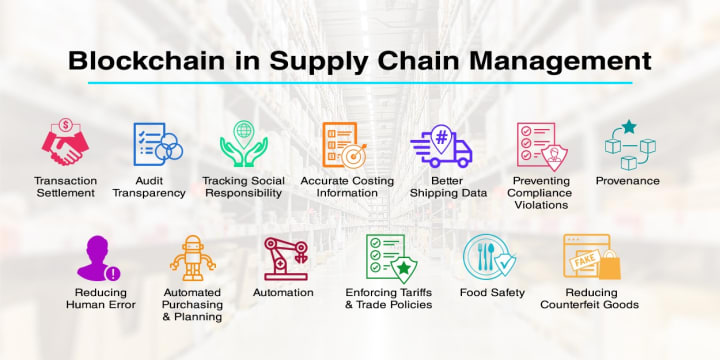
One of the significant benefits of blockchain technology in supply chain management is enhanced transparency. The blockchain platform provides a secure and transparent record of all transactions, which allows all parties involved to track the movement of goods and services. This increased transparency can help reduce the risk of fraud, counterfeiting, and theft, and provide better visibility and accountability across the supply chain.
Blockchain technology provides enhanced transparency to supply chain management by creating an immutable record of all transactions. This record is visible to all parties involved in the supply chain, which allows them to track the movement of goods and services in real-time. This increased transparency can help reduce the risk of fraud, counterfeiting, and theft by providing a more secure and accountable system. Additionally, blockchain can also provide a platform for businesses to share information and collaborate with each other more efficiently.
4.2. Improved Traceability
Blockchain technology can improve traceability in supply chain management by creating an immutable record of all transactions. This record can help identify the source of any issues or defects, which can lead to faster and more efficient recall procedures. Additionally, blockchain can provide consumers with more information about the origin and quality of the products they purchase, which can improve trust and customer satisfaction. Improved traceability can also help businesses to better manage their inventory, reduce waste, and improve efficiency.
4.3. Streamlined Processes
Blockchain technology can help streamline supply chain management processes by reducing the need for intermediaries and manual record-keeping. By using blockchain, businesses can automate various supply chain management tasks such as inventory management, order tracking, and payments, which can reduce costs, errors, and delays. Additionally, blockchain can provide businesses with real-time insights into their supply chain, which can help them make better decisions and respond more quickly to changes in demand.
4.4. Enhanced Security
Blockchain technology provides enhanced security to supply chain management systems by encrypting data and providing a decentralized platform. This makes it more difficult for hackers to compromise the system and provides better protection against cyber-attacks. Additionally, blockchain technology can provide businesses with better control over their data, which can help to ensure that sensitive information is only shared with authorized parties.

5. Real-world Applications of Blockchain in Supply Chain Management
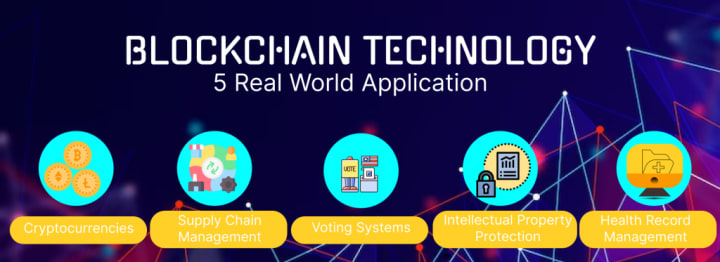
Several companies have already started using blockchain technology in their supply chain management systems. For example, in the food industry, Walmart has implemented a blockchain-based system to track the origin of their food products, which has reduced the time it takes to trace a product from weeks to seconds. Additionally, IBM has partnered with several companies to create a blockchain-based platform that provides end-to-end visibility and transparency in the supply chain. Other industries that are exploring the use of blockchain in supply chain management include healthcare, automotive, and fashion.
6. Conclusion
Blockchain technology has the potential to revolutionize supply chain management by providing enhanced transparency, traceability, security, and efficiency. While there are still challenges that need to be addressed, such as the high cost of implementation and the need for standardized protocols, the adoption of blockchain in supply chain management is expected to increase in the coming years. As more companies adopt blockchain technology, we can expect to see a more efficient, secure, and transparent supply chain management system that benefits businesses, consumers, and society as a whole.
About the Creator
Tokens: The Backbone of the Digital Economy
Introduction In the world of cryptocurrencies and blockchain technology, tokens have become a fundamental component of the digital economy. They represent a new way to transfer, store, and manage value in a decentralized and transparent manner. While many people associate tokens with cryptocurrencies like Bitcoin and Ethereum, their use goes far beyond simple digital currencies. Tokens can represent a wide range of assets, including physical goods, digital assets, services, and even voting rights in decentralized governance systems.
By saif ullah5 days ago in The Chain



Comments
There are no comments for this story
Be the first to respond and start the conversation.