
What Are The Best Wigs for Natural Look and Comfort?
The question isn’t “Is it real?” — it’s “How can you tell?”

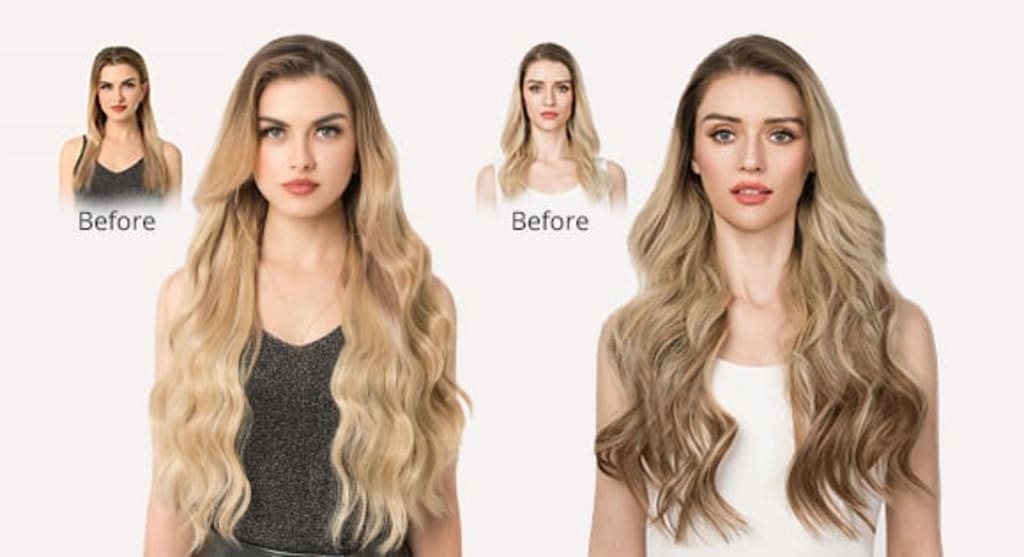
It’s 2026: Wigs Don’t Look Like Wigs Anymore
The question isn’t “Is it real?” — it’s “How can you tell?”
There was a time when wigs were obvious.
Too dense.
Too shiny.
Too perfectly still in a world where real hair moves.
But it’s 2026, and the technology has quietly outpaced the stereotype. The modern wig doesn’t announce itself. It blends. It adapts. It disappears.
So when people ask, what kind of wig looks most natural?
The answer isn’t one word.
It’s construction.
It’s material.
It’s detail.
Let’s break down what actually makes the difference between “that looks nice” and “I had no idea.”
The Foundation: What Makes a Wig Look Real?
Natural appearance isn’t luck.
It’s engineering.
1. Material: Human Hair vs. Synthetic
Human Hair Wigs
If realism is the priority, human hair is still the benchmark.
Why?
Because it is hair.
It moves organically. It reflects light the way biological strands do. It can be curled, straightened, blow-dried, even colored.
You’re not working around limitations — you’re styling it like your own.
High-Quality Synthetic Wigs
And yet — this is 2026.
Synthetic fibers have improved dramatically. Premium synthetics now mimic texture and bounce surprisingly well. They arrive pre-styled and hold their shape after washing, making them a low-maintenance option.
They’re practical. Predictable. Budget-friendly.
But in terms of absolute realism? Human hair still wins.
2. Cap Construction: Where the Illusion Happens
If material is the hair, the cap is the scalp illusion.
And that illusion is everything.
Lace Front Wigs
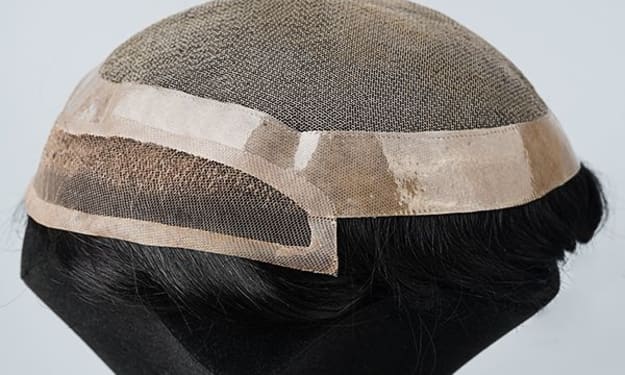
A sheer lace panel along the front creates a seamless hairline. When trimmed properly, the lace melts into skin, making it appear as though hair is growing directly from your scalp.
This is why lace fronts dominate the natural-wig conversation.
Full Lace Wigs
Full lace goes further. The entire cap is lace, allowing styling in any direction — ponytails, updos, off-the-face looks.
Versatility meets realism.
Monofilament Wigs
These use fine mesh at the top to mimic scalp appearance. Because each strand is individually tied, the part looks organic and moves naturally.
You can shift your part without exposing construction.
Hand-Tied Wigs
Every strand is individually tied to the cap. The result?
Natural movement.
Lightweight comfort.
Breathability.
When hair moves like it belongs to you, suspicion disappears.
The Fit: The Detail People Forget
Even the most premium wig fails if it doesn’t fit.
A natural-looking wig:
Sits securely
Doesn’t lift at the edges
Doesn’t look bulky
Matches your face shape
Complements your skin tone
The most common mistake? Choosing density that’s too heavy.
Natural hairlines are irregular. Slightly imperfect. Softer at the front. When density is too thick, the illusion breaks.
Realism lives in subtlety.
The Most Natural Wig Types (Ranked by Realism)
Let’s simplify.
Most Realistic Hairline
Lace Front Wigs
Nearly invisible when applied correctly.
Most Styling Freedom
Full Lace Wigs
Updos, ponytails, exposed hairlines — no restrictions.
Most Convincing Scalp Effect
Monofilament Wigs
Parts look like they’re growing directly from skin.
Most Authentic Overall Look
Human Hair Wigs
Nothing replicates real hair movement like real hair.
Best Budget Realism
High-Quality Synthetic Wigs
Impressive advancements — but still not identical to human hair.
How to Make Any Wig Look More Natural
Even premium wigs need personalization.
Here’s what transforms “good” into “undetectable”:
Trim the lace to match your hairline.
Secure with wig tape or adhesive for stability.
Pluck the hairline lightly if it’s too dense.
Choose color wisely — match undertones, not just shade.
Blend natural hair (if possible) at the front for seamless transition.
Small adjustments create dramatic realism.
Where Should You Buy?
Here’s the honest answer:
Online photos can’t show movement.
Screens don’t reveal density.
Filters distort shine.
Visiting a professional wig store allows you to:
Try on multiple cap constructions
Get measured properly
Receive styling advice
Customize for a natural finish
A trained specialist sees what you might miss.
Because sometimes the difference between “wig” and “wow” is a quarter inch of lace trimming.
So, What Kind of Wig Looks Most Natural?
The short answer?
A properly fitted, human-hair lace front or full lace wig with realistic density and customized hairline.
The longer answer?
The most natural wig is the one that:
Moves like real hair
Parts like real hair
Reflects light like real hair
Feels like it belongs to you
Technology has eliminated the obvious tells.
Now, realism depends on choices.
Final Word: Where Craftsmanship Begins
Behind many of today’s most natural-looking wigs are manufacturers that prioritize structural precision — from cuticle-aligned human hair to meticulously hand-tied lace bases.
Companies like Bono Hair have contributed to raising industry standards by focusing on premium human hair sourcing, advanced cap construction, and customizable density mapping. Their expertise in lace, monofilament, and hand-tied designs has helped modern wigs move far beyond the stereotypes of the past.
Because in 2026, a wig shouldn’t look like a disguise.
It should look like you.
And when craftsmanship meets customization,
no one asks if it’s real.
They just notice how good you look.
About the Creator
Alex Morgan
Written by Bono Hair’s content team — experts in professional hair replacement solutions and advocates for confidence, authenticity, and self-expression through modern hair systems.
Keep reading
More stories from Alex Morgan and writers in Styled and other communities.
The Day the Right Diamond Finally Sparkled
A Search That Seemed Simple The appointment had already been rescheduled twice. The process of selecting a diamond ring turned into a simple task which required customers to choose their desired carat weight and verify the diamond's color grade before making their ultimate purchase decision. The process started to develop into a more complex procedure.
By CEO A&S Developersa day ago in Styled



Comments
There are no comments for this story
Be the first to respond and start the conversation.