
How Are Mylar Bags Printed? A Deep Dive
Mylar Bags Printed?

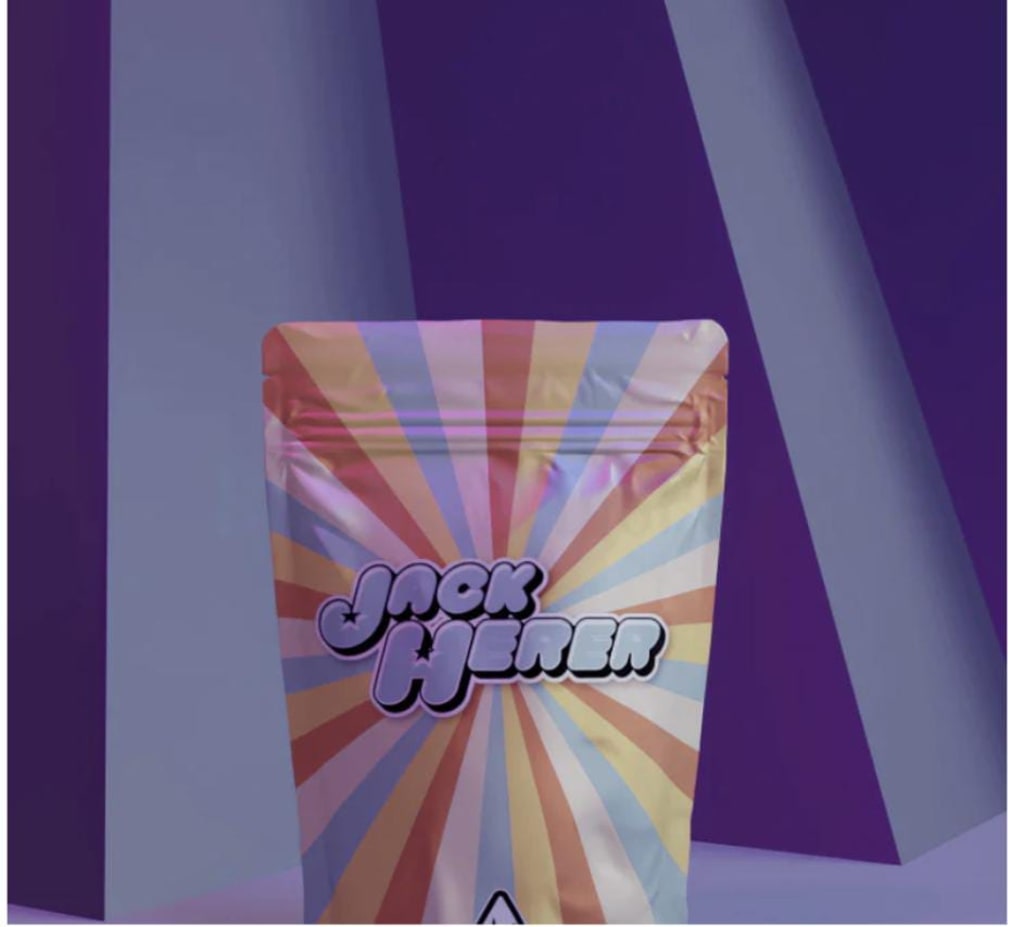
Though Mylar bags may appear plain while on store shelves, it is not so easy to print on them. The printing on Mylar is complex because of the variety of vibrant colors that can be used; also, many times metallic surfaces are printed with an airtight seal so you can be assured the bag will hold its contents securely for a long time to come. If you've ever wondered how these great-looking designs end up on glossy and/or matte finished packaging, you will be able to see how each of those steps has been accomplished in detail as you follow along with this article.
What Mylar Bags Are Made Of
Understanding the material that you will be printing on before you begin to print is very beneficial. Mylar bags are created from several layers of polyester films combined with foil(s) and food-safe plastic. The multiple layers create a surface that is smooth, strong, does not hold moisture, and is not porous.
Due to the slick surface of Mylar bags, they cannot be printed with standard inks; printing on the smooth surface will smear, crack, and peel away from the substrate, which is not what you want in the final printed product. Therefore, special types of ink and special printing processes must be used in order to create a permanent product.
The Most Common Mylar Bag Printing Methods
There are three primary methods of printing on Mylar bags; each method has a different function depending on order quantity, budget, and complexity of design.
Gravure Printing
Gravure printing is currently the most used method for printing Mylar bags at any scale. The engraving of the design is accomplished through the use of "engraved metallized rolls/substrates" and this process is utilized to transfer ink onto the surface of the mylar film.
The final product will exhibit extremely sharp images, vibrant colors and a durable surface finish. In addition, the investment associated with the printing of a given order quantity is higher due to the initial cost of the printing system; however, the per-item price is significantly reduced with higher order quantities.
Digital Printing
Digital printing is ideal for small quantities, test lots, and/or low minimum orders. In contrast to gravure printing, digital printing accomplishes the transfer of the design onto Mylar without the use of engraved rolls by utilizing high-quality digital printing equipment.
Digital printing allows for quicker turnaround times and allows for more rapid product development as there is no downtime to create or change engraved rolls (findings and dry names) related to the printing processes associated with gravure printing; however, digital printing may have greater limitations relative to the consistency of color output and available finish options than gravure printing. As such, digital printing is often associated with smaller packaging companies, seasonal items and/or limited edition items.
Flexographic Printing
Flexographic printing represents an option between gravure and digital printing in that it uses more flexible plates to produce printed products. As a result, flexographic printing is generally less costly than gravure printing but may not have the same consistency of high-quality images, colors, and/or durability as gravure printing. Flexographic printing also offers a lower-cost option for the production of packaging designs due to both low setup costs as well as low per-unit production costs.
How Ink Is Applied to Mylar
Specialized inks are used to print Mylar Bag's muslin material. These specialized inks usually bond well with the plastics used for films by being solvent based or UV cured, allowing them to instantly dry, protecting them from being scratched, moisture or heat.
The design on many bags is printed inside the layer. This is known as reverse printing or inside printing; by using lamination, the design is sealed in between the two layers of the bag thereby protecting it from being worn off, while keeping the food and product protected.
Color Matching and Design Setup
Most Mylar Bags typically use the four-colour process to print their designs and often combine this printing process with Pantone colours for metallic, white or custom brand colours. White ink provides a vital purpose to Mylar films; without white ink, colour distortion may occur because the film typically is either clear or reflective.
Prior to any printing taking place, the designs are converted into print-ready files, separated out by colour, and the exact alignment of the artwork across the seams, zippers and gussets of a bag are extremely precise.
Finishes Added After Printing
Once the printing is finished with the bags there are several extras you can add to upgrade their appearance and texture such as: Matte or Gloss Lamination, Soft Touch Coating, Metallic Coating, or Holographic Coating.
These finishes greatly impact the look, the feel, the appeal on the shelf, and the durability of the bag to the customer.
If you want to see how these printing methods translate into real packaging, you can explore examples of custom Mylar bags used across different industries.
Why Printing Mylar Bags Is So Specialized
When you print onto Mylar, it goes far beyond simply applying inks to plastic; it involves a coordinated effort between precision, chemistry & engineering. Inks used in printing onto Mylar, machine types, methods of drying, & process of applying laminated coat all need to be in sync to produce a durable bag that looks good & that meets the performance criteria for a bag that would stand up to real life.
This is why bags printed using professional methods & processes on Mylar make a statement; sharp colour; artwork stays true forever; protects contents while making them appealing to customers.
Final Thoughts
The advanced printing processes involved in producing Mylar bags for flexible packaging will determine the final appearance of those bags. Each printing method used in the production of Mylar bags, such as gravure, digital printing, reverse ink, and lamination all play an important role in creating the finished product.
Learning how Mylar bags are printed may help you better understand why high quality packaging has been used to create those bags and why it is important to select the correct printing method to help you promote your brand, products or customers.
About the Creator
Abbasi Publisher
Khurram Abbasi is a professional content strategist and writer, founder of Abbasi Publisher, specializing in guest posting, high-authority backlinks, and media placements to elevate brands and digital presence.
Keep reading
More stories from Abbasi Publisher and writers in Styled and other communities.
VisualGPT Magic Eraser: AI Object Removal for Clean and Usable Images
Understanding Image Cleanup and Optimization Using Magic Eraser and ImageEditor Digital images are frequently reused across platforms, formats, and contexts. During this process, images often accumulate unwanted elements such as watermarks, translated text remnants, interface overlays, or background distractions. These elements may not seem critical at first but can reduce clarity and usability when images are repurposed for documentation, education, or publishing.
By Abbasi Publisher2 days ago in Styled
Smart Shopping Guide: How to Find Hidden Discounts, Coupons, and Cashback Deals
With rising prices and shrinking budgets, smart shopping has become less about impulse buys and more about strategy, a shift frequently highlighted in stories today about changing consumer habits. Many shoppers don’t realize that discounts aren’t always advertised upfront. In fact, some of the best savings are hidden and available only to those who know where to look.
By Stories Todayabout 9 hours ago in Styled
📢 Raise Your Voice Thread: 02/05/2026
Our “Raise Your Voice Threads” are hosted most alternating Thursdays at 12PM ET to offer creators more avenues to uncover exceptional stories on Vocal. As we are continuously searching for fresh creators and inspiring stories, this thread provides an opportunity to exchange and discuss the stories that have moved and motivated us on Vocal.
By Raise Your Voice by Vocal40 minutes ago in Resources

Comments
There are no comments for this story
Be the first to respond and start the conversation.