
“We Heard the Call, We Came Running”: Trump’s NATO Troop Remarks Have Shaken Allied Veterans
Former soldiers across Europe and beyond say doubts over collective defense cut deeper than politics

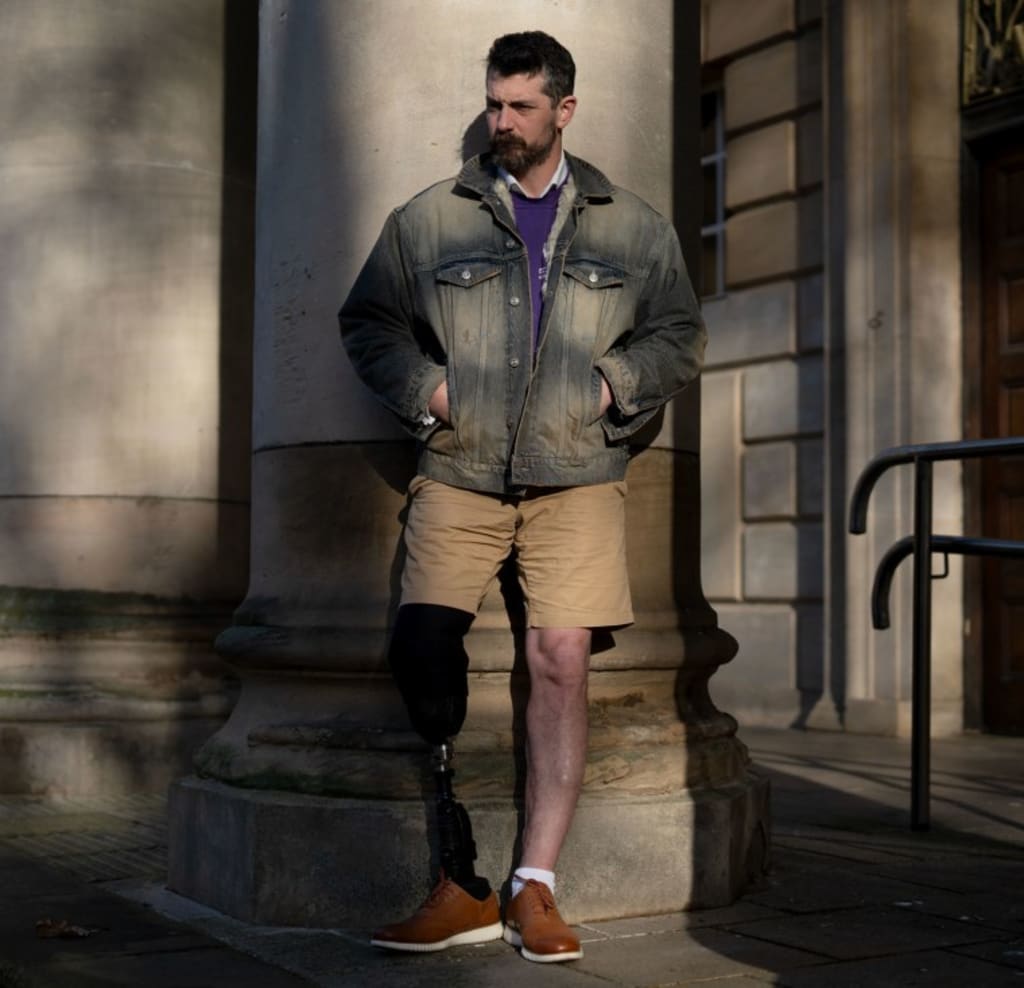
When former U.S. President Donald Trump questioned America’s commitment to defending NATO allies who fail to meet defense spending targets, the remarks reverberated far beyond diplomatic circles. For many allied veterans—men and women who once answered the call to fight alongside U.S. forces in Afghanistan, Iraq, and other missions—the comments landed as a personal blow. “We heard the call, we came running,” said one European veteran. “Now it feels like our sacrifice is being weighed against a spreadsheet.”
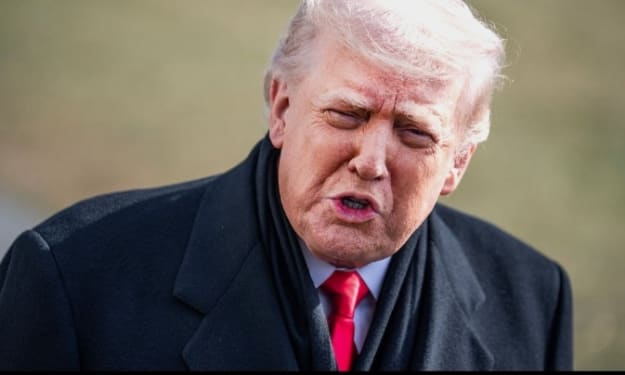
Trump’s statements, delivered on the campaign trail, suggested the United States might not come to the defense of NATO members that do not meet the alliance’s 2% of GDP defense spending guideline. While Trump has long argued that allies should shoulder more of the burden, the blunt framing unsettled veterans who built their service identities on the premise of mutual defense—NATO’s foundational Article 5.
A Questioning of the Alliance’s Core Promise
NATO’s credibility rests on a simple but powerful idea: an attack on one member is an attack on all. For decades, this principle shaped military planning, political trust, and the personal decisions of soldiers who deployed under a shared flag. Trump’s remarks reopened fears that this promise might be conditional.
Veterans from countries such as the United Kingdom, Canada, Poland, Germany, and the Baltic states say the rhetoric undermines the moral contract between allies. Many recall serving in U.S.-led missions after the September 11 attacks, when NATO invoked Article 5 for the first time in its history in defense of the United States.
“We didn’t ask whether America was paying enough into something,” said a former British infantry officer. “We just went.”
Shared Sacrifice, Lingering Scars
For allied veterans, the issue is not abstract geopolitics. It is rooted in shared combat experiences, lost comrades, and lifelong injuries. Thousands of non-U.S. troops died or were wounded in conflicts alongside American forces, particularly in Afghanistan.
Canadian, British, and European veterans note that their countries committed forces for years, often at great political and financial cost, because alliance solidarity demanded it. To hear that future U.S. support might depend on budget targets feels, to them, like a retroactive questioning of their loyalty.
Some veterans emphasize that while defense spending matters, it does not fully capture contributions such as intelligence sharing, special forces deployments, peacekeeping roles, and logistical support. “We brought capabilities, not just cash,” said a Polish veteran who served with U.S. units in Afghanistan.
Anxiety in Frontline States
The reaction has been especially intense in Eastern Europe, where NATO membership is seen as a critical deterrent against Russian aggression. Veterans from Poland, Estonia, Latvia, and Lithuania say Trump’s remarks revive old fears about being left exposed.
For those who grew up under Soviet domination, NATO represented a hard-won security guarantee. “We trained and served believing the alliance was ironclad,” said an Estonian former officer. “Any hint that it’s negotiable creates real fear.”
This anxiety is not limited to veterans. Defense analysts warn that adversaries closely monitor political rhetoric for signs of wavering resolve. Even hypothetical doubts about U.S. commitment could embolden hostile actors or increase pressure on vulnerable NATO members.
Political Debate vs. Military Trust
Supporters of Trump argue that his comments are a negotiating tactic designed to push allies toward fairer burden-sharing, not a literal abandonment of NATO. They note that several countries increased defense spending during his presidency and that pressure works.
However, veterans counter that the language used matters. Military alliances rely on trust, clarity, and predictability—qualities that cannot be easily switched on and off. For those who served, public statements questioning mutual defense strike at the emotional core of soldiering: the belief that no ally fights alone.
“There’s a difference between private pressure and public doubt,” said a German veteran. “One strengthens the alliance. The other weakens it.”
American Veterans Also Concerned
The unease is not confined to non-U.S. veterans. Many American veterans who served alongside NATO partners say the remarks misrepresent how wars were actually fought. They recall relying on allied medics, air support, intelligence units, and patrols.
U.S. veterans’ groups have voiced concern that dismissing allied contributions erases the reality of coalition warfare. “Those troops saved American lives,” said one former U.S. Marine. “That’s not something you put a price tag on.”
The Human Cost of Strategic Ambiguity
Beyond politics, veterans worry about the message sent to active-duty troops. Young soldiers currently serving under NATO structures may question whether their sacrifices will be reciprocated in the future. That doubt, veterans say, can affect morale and cohesion.
For many, the pain comes from a sense of betrayal—not necessarily by a single leader, but by a growing trend of viewing alliances purely through transactional lenses. “We didn’t serve transactionally,” said a Danish veteran. “We served because we believed in standing together.”
Looking Ahead: Repairing Confidence
As the U.S. election cycle intensifies, NATO’s future has become a recurring theme. Allied leaders are reaffirming commitments, and several governments continue to raise defense spending to meet agreed targets. But veterans say reassurance must go beyond budgets.
They argue that leaders should speak clearly about shared values, shared risks, and shared history. Rebuilding confidence, they say, requires acknowledging past sacrifices and reaffirming that alliance commitments are not conditional footnotes.
Conclusion
Trump’s NATO troop remarks have shaken allied veterans because they touch something deeply personal: the belief that solidarity in war is absolute. For those who “heard the call and came running,” the fear is not just about policy shifts—it is about whether the bond forged in combat still holds. As debates over defense spending continue, veterans across the alliance are reminding political leaders of a simple truth: alliances are built not only on money and treaties, but on trust, memory, and shared sacrifice.
About the Creator
Keep reading
More stories from Salaar Jamali and writers in Serve and other communities.
The Most Effective Treatment for Osteoarthritis Isn’t a Pill or Surgery
Osteoarthritis (OA) is one of the most common chronic conditions worldwide, affecting millions of people over the age of 50. Characterized by the gradual breakdown of cartilage in joints, OA causes pain, stiffness, and reduced mobility, often leading patients to seek relief through medications, injections, or even surgery.
By Salaar Jamali6 days ago in Serve
Middle East on Edge
Escalation on Multiple Fronts The United States and Iran find themselves in a high-stakes standoff that is drawing global concern. In response to mounting tensions with Tehran, Washington has significantly increased its military footprint in the Middle East. This buildup, which includes naval units, air assets, and joint exercises, comes amid heated rhetoric and conflicting strategic aims that could shape the region’s security environment for months — or years — to come.
By USA daily update 5 days ago in Serve
Until Dawn
Asim carefully drove his car off the paved road onto the dusty terrain. The journey was long, and no signs of habitation were visible nearby. Alongside him was his assistant, Sarfaraz, a well-educated young man who managed Asim’s family business. Sarfaraz noticed a group of nomadic girls struggling with thirst near the road. Offering to buy water for them, he stepped out to help. One girl insisted she would provide water without any payment. When Asim arrived, he insisted on paying, respecting her effort. He gave them 300 rupees in appreciation.
By Sudais Zakwan6 days ago in Serve
Off the Book
It ended like every other stupid idea. Badly, and alone. I’m researching digital confession ethics, he said. A tech ethicist. He gestured at floating data I couldn’t see then pulled out a physical notebook. Actual paper, fountain pen. He held it up like he was showing me scripture.
By Nicky Frankly3 days ago in Fiction



Comments
There are no comments for this story
Be the first to respond and start the conversation.