
The difference between circuit breakers and overload relays
Circuit breakers handle sudden faults like short circuits, while overload relays protect motors from prolonged overcurrent. Learn their key differences here.

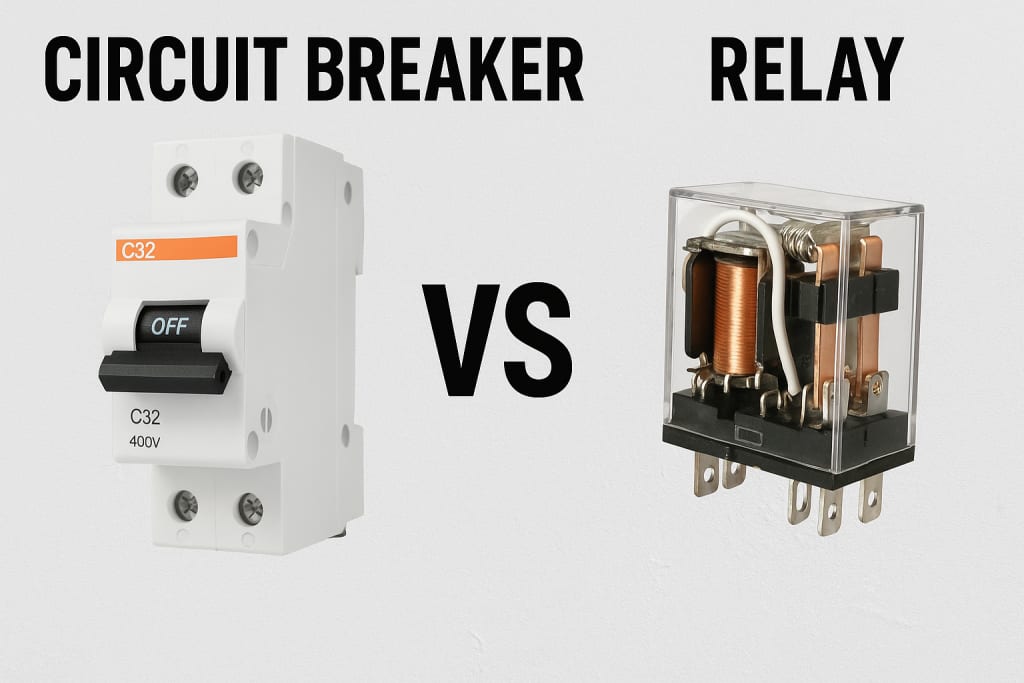
Electrical systems use circuit breakers and overload relays for safety.
Circuit breakers stop big problems like short circuits.
Overload relays protect motors from too much current over time.
For example, rules like IEC 60898-1 say a circuit breaker must trip in 3600 seconds if the current is 1.13 times its limit but less than 1.45 times.
This shows how these devices work differently to stop overheating and damage. Knowing their jobs helps you choose wisely when fixing or building electrical systems.
Key Takeaways
Circuit breakers stop electricity during big problems like short circuits. They work fast to avoid damage.
Overload relays protect motors from too much electricity over time. They shut off when electricity stays high too long, stopping overheating.
Use circuit breakers for whole system safety and overload relays for motor safety. Pick the right device for your system's needs.
Check circuit breakers and overload relays often to keep them working. Testing lowers risks and keeps things safe.
Using both devices together makes things safer. Circuit breakers fix sudden problems, and overload relays protect motors, keeping everything running well.
Circuit Breakers: Purpose and Functionality
What Are Circuit Breakers?
Circuit breakers keep electrical systems safe by stopping electricity flow during problems. They work like automatic switches, cutting off power when it gets too high. This helps protect devices and prevents fires. Circuit breakers are important for homes and industries to keep systems safe.
How Circuit Breakers Work
Circuit breakers fin problems like short circuits or too much current. They stop the flow of electricity to prevent damage. They use heat or magnets to trip. Heat tripping happens when too much current makes parts hot. Magnetic tripping works when there is a sudden power surge.
Important features include:
- Rated voltage (Ue): The normal working voltage.
- Rated current (In): The highest current it can handle safely.
- Short-circuit trip current (Im): The level where it trips during big faults.
- Breaking capacity (Icu/Icn): The largest fault current it can stop safely.
High-voltage circuit breakers (HVCBs) are key in power systems. They handle large currents to keep systems stable and safe. But wear and rust can cause problems, so regular checks are needed.
Uses of Circuit Breakers in Electrical Systems
Circuit breakers are used in many places to protect systems. For example:
- In factories, special breakers stop equipment failures, saving time and money.
- In telecoms, breakers handle changing currents, making systems work better.
At home, they stop fires caused by overloaded circuits. Advanced breakers can find current problems and trip to keep people safe.
Circuit breakers are crucial for keeping electrical systems safe and reliable. They are a must-have in today’s world.
Overload Relays: Purpose and Functionality
What Are Overload Relays?
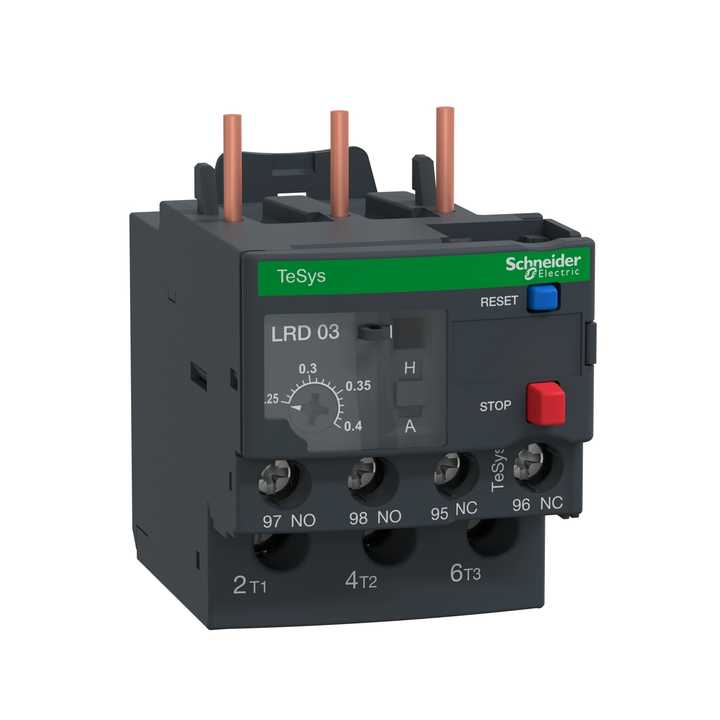
Overload relays keep motors safe from too much current over time. They stop motors from overheating or getting damaged by high current. Unlike circuit breakers, which handle big problems, overload relays focus on slow overcurrent issues. These are very useful in places where motors run all the time.
Main features of overload relays include:
- Current rating that matches the motor's normal current.
- Adjustable settings to change when it trips.
- Trip class, showing how fast it trips at 600% current.
- Phase loss detection to find single-phase problems.
- Temperature adjustment for changing room temperatures.
These features make them dependable for protecting different motors.
How Overload Relays Work
Overload relays check the current going to a motor. If the current stays too high for too long, they trip and cut power. This stops the motor from overheating or breaking.
Thermal overload relays use a strip that bends when it gets hot. When it bends enough, it trips the relay. Electronic overload relays use sensors to find high current and trip the relay.
Modern overload relays often have extra features. These include manual or automatic resets, working with contactors, and handling tough environments. These updates make them easier to use and more effective.
The Main Differences Between Circuit Breaker and Relay
Functional Differences
Circuit breakers and overload relays do different jobs. Circuit breakers protect the whole system by stopping electricity during big problems like short circuits or power surges. They act fast to stop damage to wires and devices.
Overload relays, however, protect motors from too much current over time. They watch the current going to a motor and trip if it stays too high for too long. This stops motors from overheating or breaking due to heavy loads.
The key difference is their focus. Circuit breakers handle sudden, big problems, while overload relays deal with slow, ongoing current issues.
Design and Mechanism
Their designs match their jobs. Circuit breakers use heat or magnets to trip. Heat tripping happens when too much current makes parts hot. Magnetic tripping works when there’s a sudden power spike. These methods make circuit breakers fast and reliable.
Overload relays use heat or sensors to find overcurrent. Thermal relays have a strip that bends when hot, causing a trip. Electronic relays use sensors to measure current and trip when needed.
Circuit breakers are bigger and stronger to handle large faults. Overload relays are smaller and work with contactors in motor systems.
Use Cases and Applications
Circuit breakers are used in homes and factories. They protect wires, panels, and devices from big problems. For example, in factories, they stop machines from getting damaged during short circuits.
Overload relays are used with motors. They protect conveyor belts, pumps, and compressors from too much current. In HVAC systems, they keep motors safe from overheating.
Circuit breakers protect the whole system, while overload relays focus on motors. Knowing this helps you pick the right one for your needs.
About the Creator
William
I am William, an electrical engineering writer. I am dedicated to writing technical articles on various types of circuit breakers and other electrical equipment. With 7 years of experience in electrical solutions
Keep reading
More stories from writers in Serve and other communities.
Iran's plan to hit $20 billion asset of USA
U.S. Military Deployment Toward Iran Explained Recently, U.S. President Donald Trump confirmed that a large American naval force — including the aircraft carrier USS Abraham Lincoln and several warships — has been sent toward the Middle East amid rising tensions with Iran. Trump described this as a “big armada” heading in that direction, though he also said he hopes conflict can be avoided.
By USA daily update 7 days ago in Serve
Middle East on Edge
Escalation on Multiple Fronts The United States and Iran find themselves in a high-stakes standoff that is drawing global concern. In response to mounting tensions with Tehran, Washington has significantly increased its military footprint in the Middle East. This buildup, which includes naval units, air assets, and joint exercises, comes amid heated rhetoric and conflicting strategic aims that could shape the region’s security environment for months — or years — to come.
By USA daily update 6 days ago in Serve




Comments
There are no comments for this story
Be the first to respond and start the conversation.