
What Happens to Your Body During a Panic Attack
Discover what a Panic Attack feels like and how it affects your body. Learn the signs, symptoms, and ways to manage Panic Attack episodes.

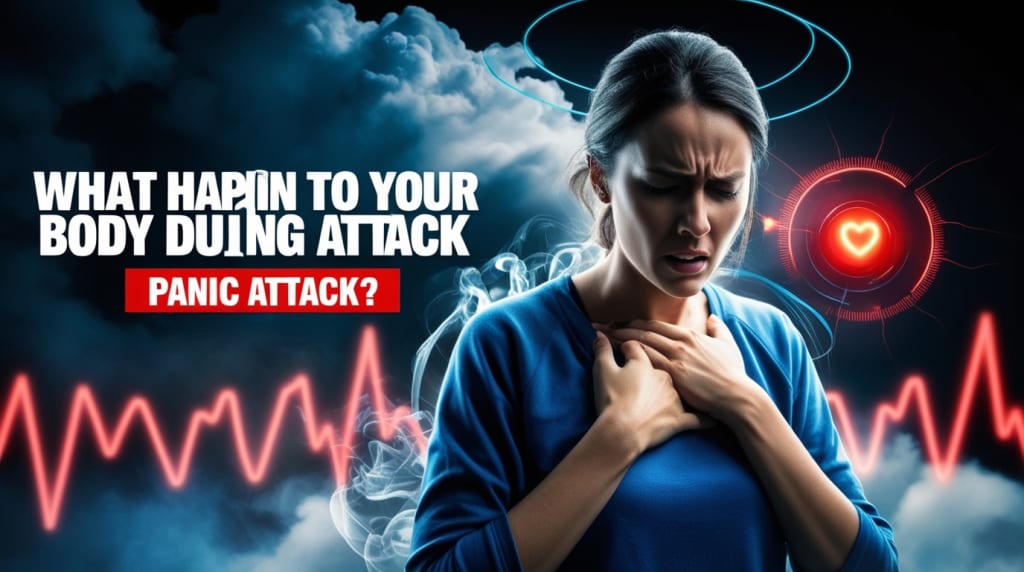
Ever felt like your heart is going to burst out of your chest for no reason at all? Or that you're suddenly gasping for air, trembling, or even convinced you're having a heart attack? If you've experienced anything like this, chances are, you may have gone through a Panic Attack.
It can be terrifying, confusing, and overwhelming, especially when you don’t know what’s happening to your body. In this article, we’ll break down what goes on inside you during a panic attack using simple, relatable language — like a friend talking to a friend.
1. What Is a Panic Attack?
A panic attack is a sudden, intense wave of fear or discomfort that seems to come out of nowhere. It typically peaks within 10 minutes and can last for up to 30 minutes, though the aftereffects might linger longer.
It’s not “just anxiety.” It’s like your brain slams the emergency alarm, even though there’s no real danger around.
2. The Science Behind Panic Attacks
Your body is wired to protect you. When it senses danger, real or imagined, it floods your system with stress hormones — mainly adrenaline. This surge is meant to help you run or fight. But during a Panic Attack, this response is misfired, triggering a full-body reaction without any actual threat.
3. Fight or Flight: The Alarm System in Action
Imagine your brain as a smoke detector. It’s there to keep you safe. But sometimes, it’s too sensitive — like going off when you burn toast. That’s what happens during a Panic Attack. The brain's alarm system gets triggered unnecessarily, setting off a chain reaction in the body:
Heart races
Breathing speeds up
Muscles tense
Blood rushes away from your core
All to prepare you to either fight or flee — even though there’s nothing to fight or flee from.
4. Physical Symptoms of a Panic Attack
Here’s what people often feel during a panic attack:
Pounding or racing heart
Shortness of breath or hyperventilation
Chest pain or tightness
Dizziness or lightheadedness
Sweating or chills
Numbness or tingling
Nausea
Shaking or trembling
Feeling detached from reality
These symptoms mimic those of serious medical conditions, which is why panic attacks often send people to the ER.
5. Emotional Impact of a Panic Attack
Physically, it’s terrifying — but emotionally, it can feel like the world is closing in.
Overwhelming fear of dying or going crazy
Sense of doom
Feeling out of control
Fear of being alone
Many people describe it as the most frightening experience of their lives.
6. What Triggers a Panic Attack?
Panic attacks can be unexpected or situational. Triggers might include:
Stress (work, relationships, finances)
Phobias (heights, flying, crowds)
Health concerns
Trauma or PTSD
Stimulants (caffeine, certain drugs)
Genetics or brain chemistry
Sometimes, there’s no clear trigger — which makes them even more confusing.
7. Brain and Body: A Miscommunication
Think of it like a false fire alarm. The brain believes there’s danger and tells the body to respond, even when there’s none. The brain's amygdala, your emotional processing center, becomes hyperactive — reacting to imagined threats. This miscommunication fuels the body’s overreaction.
8. Short-Term vs Long-Term Effects
Short-term, a panic attack can leave you exhausted, confused, and shaken.
Long-term, repeated attacks can cause:
- Avoidance behaviors
- Social withdrawal
- Panic disorder
- Chronic stress and anxiety
- It can feel like you’re always bracing for the next one.
9. How Panic Attacks Differ from Anxiety
People often confuse panic attacks with anxiety, but they’re not the same.
Anxiety Panic Attack
Gradual build-up Sudden, without warning
Related to specific thoughts/situations Can happen out of the blue
Less intense Intense physical and emotional reaction
Long-lasting Peaks quickly, usually within minutes
Anxiety is like a slow burn. A panic attack is like an explosion.
10. The Fear of the Next Attack
After experiencing one panic attack, many people start fearing the next. This is called anticipatory anxiety, and it can be just as debilitating as the attack itself. You might start avoiding certain places or situations, just to stay “safe.”
11. Coping Mechanisms That Actually Work
There is hope. Here are some real tools that help:
- Grounding techniques (e.g., 5-4-3-2-1 method)
- Mindfulness meditation
- Progressive muscle relaxation
- Cognitive Behavioral Therapy (CBT)
- Talk therapy
- Medication (if prescribed by a doctor)
12. The Role of Breathing in Panic Control
During a panic attack, you might breathe too fast (hyperventilate), which makes things worse. Slowing your breath can calm your system. Try this:
- Box Breathing
- Inhale for 4 seconds
- Hold for 4 seconds
- Exhale for 4 seconds
- Hold again for 4 seconds
- Repeat for a few minutes.
- This tells your body, “It’s okay. You’re safe.”
13. When to Seek Professional Help
If panic attacks are interfering with your daily life, it’s time to get help. You’re not weak or broken. You’re human — and therapy, support groups, and medication have helped millions.
14. Can You Prevent Panic Attacks?
You can reduce the chances:
Get enough sleep
Limit caffeine and alcohol
Exercise regularly
Practice stress management
Stick to a routine
Build a support network
You may not prevent every attack, but you can build resilience.
15. Real-Life Stories and Hope
Meet Sara. She used to have panic attacks in grocery stores. She thought she was losing her mind. But after therapy and self-care, she learned to manage her triggers and now shops without fear.
You’re not alone. Millions go through this — and come out stronger.
Conclusion
A panic attack can feel like your body and mind are betraying you. But now you know: it’s a biological overreaction, not a personal weakness. With the right knowledge, support, and tools, you can take back control and live without fear.
It’s not about stopping the waves, but learning how to surf them.
FAQs
1. Can a panic attack cause a heart attack?
No, although the symptoms feel similar, panic attacks don’t damage the heart. But it’s always good to rule out medical causes.
2. Are panic attacks dangerous?
They’re not life-threatening but can be incredibly distressing. The danger lies in how they affect daily functioning if left untreated.
3. Can I stop a panic attack once it starts?
Yes, with practice. Breathing techniques, grounding, and self-reassurance can often reduce the intensity.
4. What’s the difference between a panic attack and panic disorder?
Panic disorder is when you have frequent, unexpected panic attacks and live in fear of the next one.
5. Do children get panic attacks?
Yes, children can experience panic attacks. They may describe them differently, so watch for signs like sudden fear, crying, or physical complaints.
About the Creator
olxia10
Discover the power of financial success with The Wealth Signal Downloads! Get it now and enjoy a more prosperous


Comments (1)
Very informative, thank you for sharing!