
Generalized Anxiety Disorder vs PTSD
Understanding the Differences

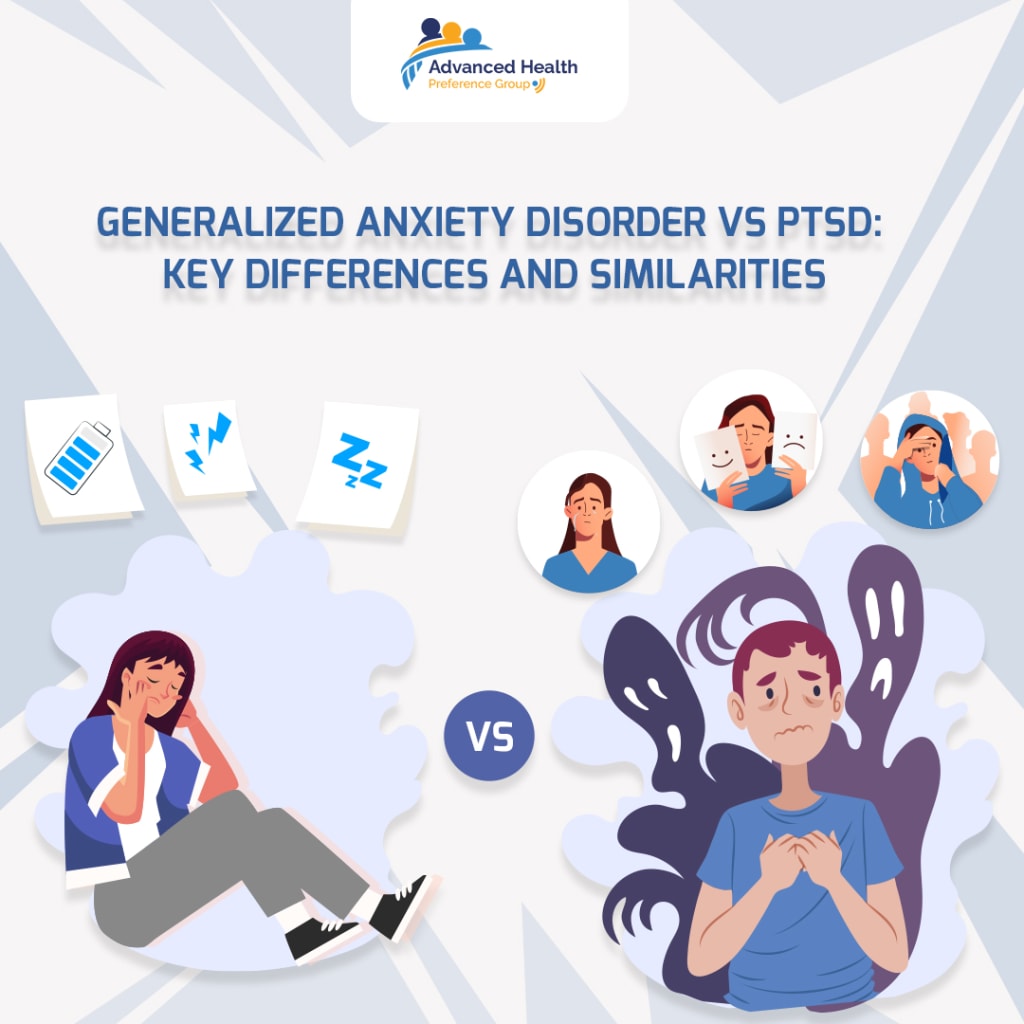
Anxiety is something everyone experiences at some point, but for some, it becomes overwhelming and constant. Two common conditions that cause significant distress are Generalized Anxiety Disorder (GAD) and Post-Traumatic Stress Disorder (PTSD). While both disorders involve anxiety, they differ greatly in their causes, symptoms, and treatment approaches. Understanding these differences is essential for recognizing these conditions and seeking the right help.
What is Generalized Anxiety Disorder?
Generalized Anxiety Disorder is a mental health condition characterized by excessive and uncontrollable worry. People with GAD often find themselves anxious about a variety of everyday situations, such as work, family matters, or even trivial events. This worry is persistent and disproportionate to the actual situation at hand.
For example, someone with GAD might feel anxious about an upcoming meeting, even if they are well-prepared and have had no previous issues in similar situations. The constant worrying can lead to physical symptoms like fatigue, headaches, difficulty concentrating, and muscle tension.
The exact cause of GAD isn't fully understood, but a combination of genetic, environmental, and psychological factors are believed to contribute. It's also more common in women than men, and often develops in childhood or adolescence.
What is Post-Traumatic Stress Disorder?
Post-Traumatic Stress Disorder, or PTSD, is a condition that develops after a person has experienced or witnessed a traumatic event. This can include events such as natural disasters, car accidents, physical or sexual assault, military combat, or the sudden death of a loved one. Unlike GAD, PTSD is a direct response to trauma and involves recurring, vivid memories of the traumatic event, nightmares, and intense emotional distress when reminded of it.
People with PTSD may experience a constant feeling of being on edge, avoid places or situations that remind them of the trauma, and struggle with flashbacks or intrusive thoughts. These symptoms can severely impact daily functioning and relationships. PTSD can develop immediately after the traumatic event or years later, and without treatment, it may worsen over time.
Key Differences Between GAD and PTSD
While Generalized Anxiety Disorder and PTSD both involve feelings of anxiety, the sources of these anxieties differ significantly.
Cause of Anxiety:
GAD involves persistent and excessive worry about general, everyday situations. It is not linked to any specific trauma or event.
PTSD, on the other hand, is caused by experiencing or witnessing a traumatic event. The anxiety experienced in PTSD is a direct response to that trauma.
Nature of the Anxiety:
People with GAD worry about a range of things, often irrationally. They feel anxious about daily life and can find it difficult to relax.
In PTSD, the anxiety is often more intense and linked to flashbacks or reminders of the trauma. People may have panic attacks, nightmares, or intrusive thoughts about the traumatic experience.
Symptoms:
The symptoms of GAD include chronic worry, irritability, restlessness, difficulty concentrating, and physical issues like muscle tension.
PTSD symptoms are more severe and include flashbacks, nightmares, emotional numbness, and avoidance behaviors. People with PTSD may also feel disconnected from others and have difficulty trusting people.
Duration:
GAD can last for months or years and is often a long-term condition that may fluctuate in intensity.
PTSD symptoms are often triggered by a traumatic event and can last for months or even years if untreated. Some people may experience periodic periods of intense symptoms and then improve.
Treatment Approaches
Both Generalized Anxiety Disorder and PTSD are treatable with the right interventions. However, the treatment for each condition may differ due to the nature of the disorder.
For GAD, treatment often involves therapy, medication, or a combination of both. Cognitive Behavioral Therapy (CBT) is one of the most effective therapies for GAD, helping individuals identify and challenge negative thought patterns that fuel their anxiety. Medications such as antidepressants or anti-anxiety medications may also be prescribed.
For PTSD, trauma-focused therapies like CBT or Eye Movement Desensitization and Reprocessing (EMDR) are often used to help individuals process the trauma and reduce its emotional impact. Medications, such as antidepressants, may be prescribed to manage symptoms like depression and anxiety. Support from family and friends also plays a crucial role in recovery from PTSD.
Conclusion
While both Generalized Anxiety Disorder and PTSD involve significant anxiety, the underlying causes, symptoms, and treatment approaches are quite different. GAD is a condition of persistent worry about everyday life, while PTSD is a response to traumatic events. If you or someone you know is struggling with anxiety, it’s important to seek professional help to receive an accurate diagnosis and the appropriate treatment. With the right support, both conditions can be managed, and individuals can lead fulfilling lives.
If you suspect you might have GAD or PTSD, or if you're unsure, seeking help from a healthcare professional can help clarify your condition and provide a path forward for managing your mental health.
About the Creator
Olivia :)
A dedicated writer with a focus on mental health, wellness, and personal growth. Creates engaging content to educate, inspire, and connect with readers on meaningful topics.
I Don't Need My Phone... Wait, Is That Actually True?
My parents gave me my first cell phone when I was twelve years old. It wasn't a fancy iPhone or anything, not even close. Just a simple black flip phone for when I needed to call or text them after school.
By Madison "Maddy" Newtonabout 22 hours ago in Humans


Comments
There are no comments for this story
Be the first to respond and start the conversation.