
What is femboy hooters
Unveiling the Internet Phenomenon: What is “Femboy Hooters”?

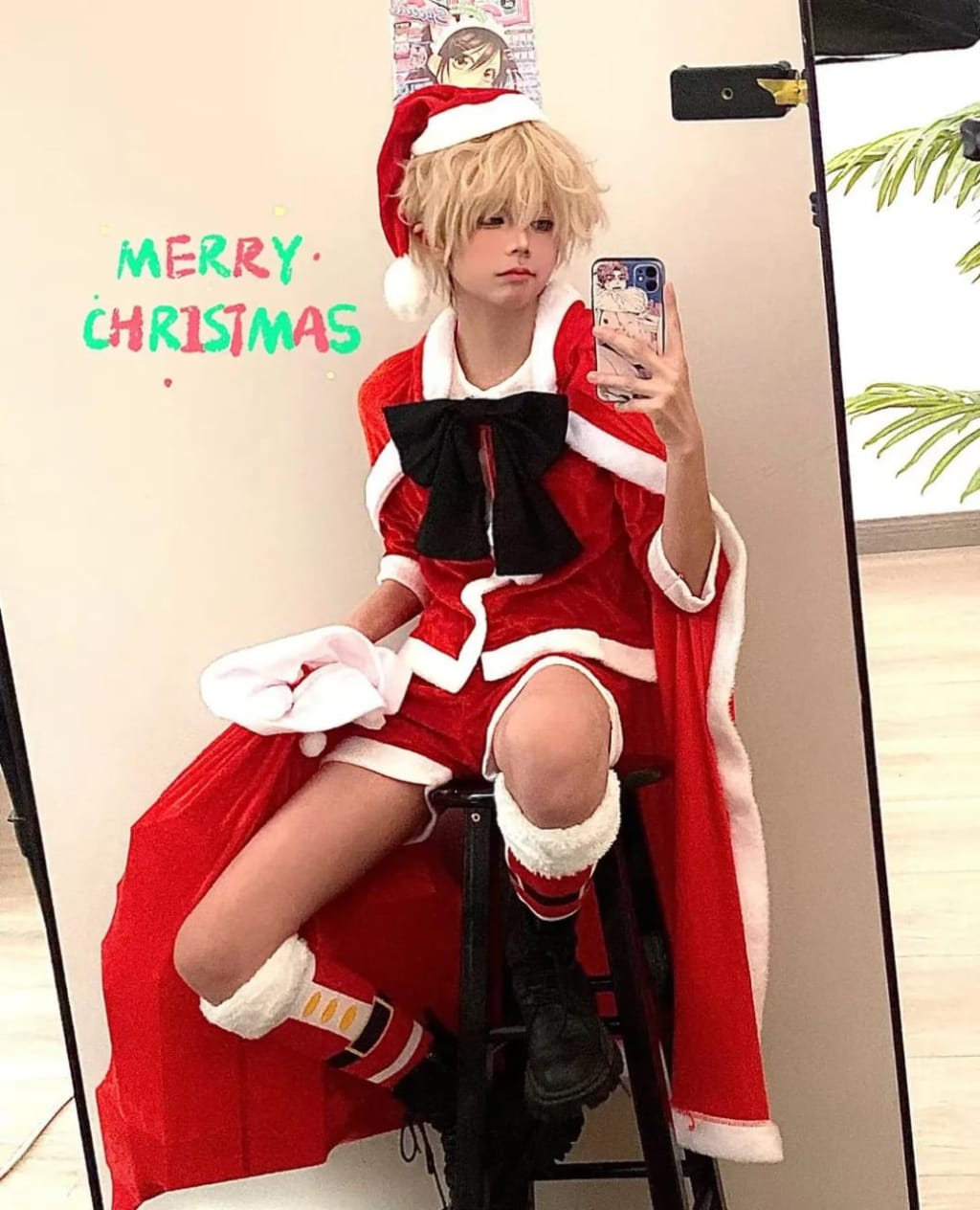
In the ever-evolving landscape of internet culture, memes and viral concepts can spring from the most unexpected places, capturing collective imagination and sparking endless conversation. One such concept that erupted across social media platforms like Twitter, TikTok, and Reddit is “Femboy Hooters.” More than just a joke, it became a cultural touchstone, blending humor, social commentary, and a unique form of wish-fulfillment. But what exactly is Femboy Hooters, and why did it resonate so deeply?
Let’s peel back the layers of this viral phenomenon.
The Core Concept: A Playful Reimagining
At its simplest, Femboy Hooters is a fictional and satirical reimagining of the well-known American restaurant chain, Hooters. The original Hooters brand is famously built around a specific theme: sports, casual dining, and servers (primarily women) in signature orange shorts and tank tops.
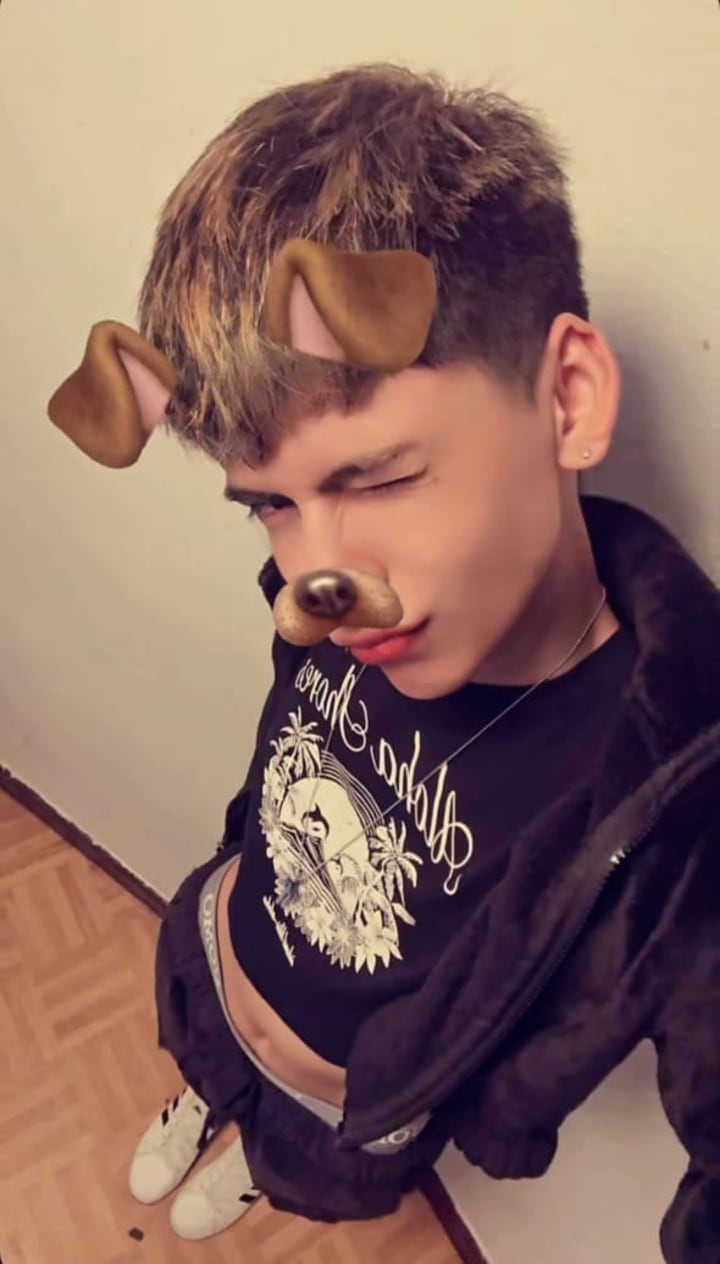
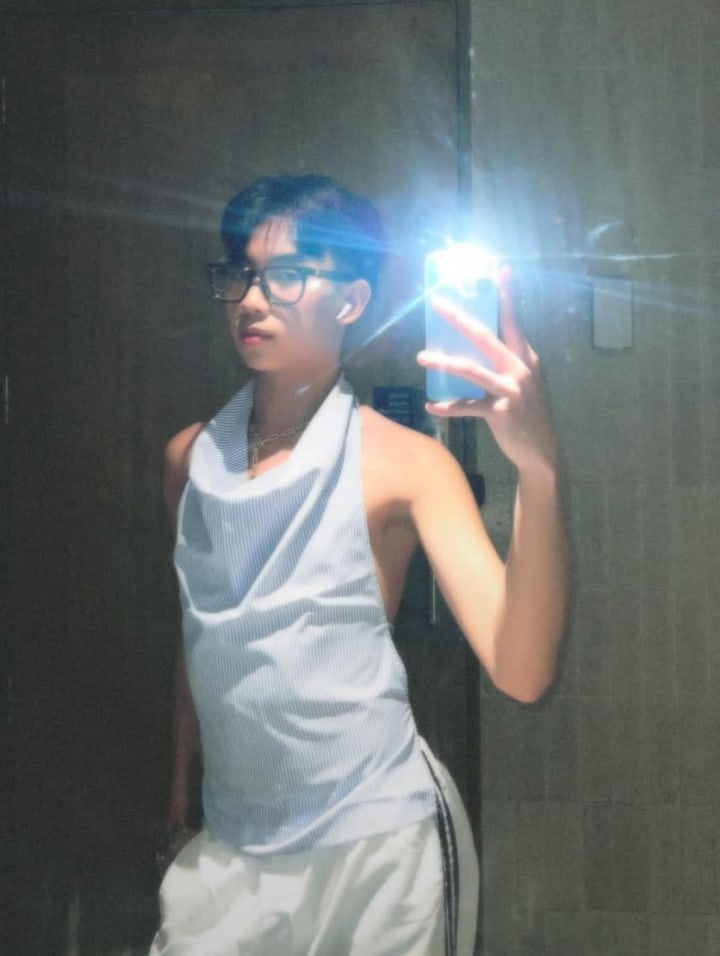
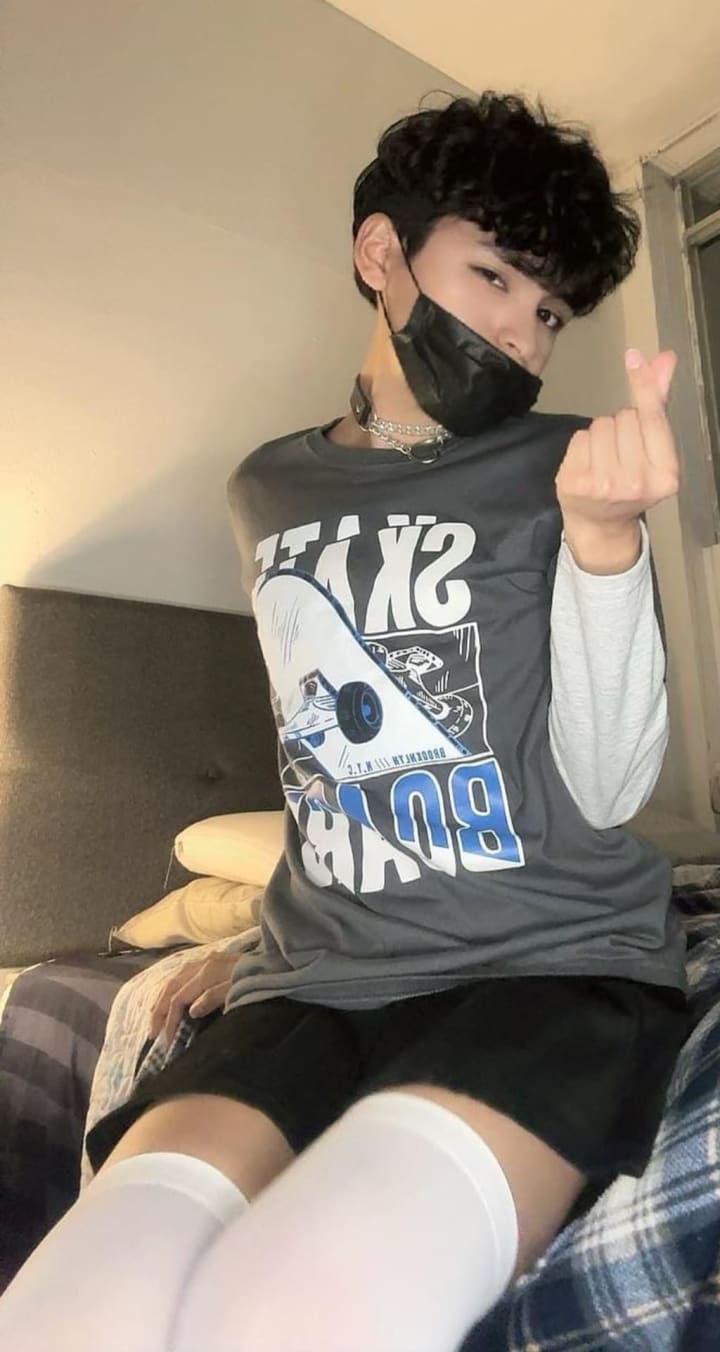
The “Femboy” version flips this script. The hypothetical restaurant would feature servers who are “femboys” a term popular in online LGBTQ+ and subculture spaces to describe individuals, typically male or male-presenting, who embrace a traditionally feminine style of dress, appearance, and/or expression. Think of it as a blend of gender non-conformity and aesthetic presentation.
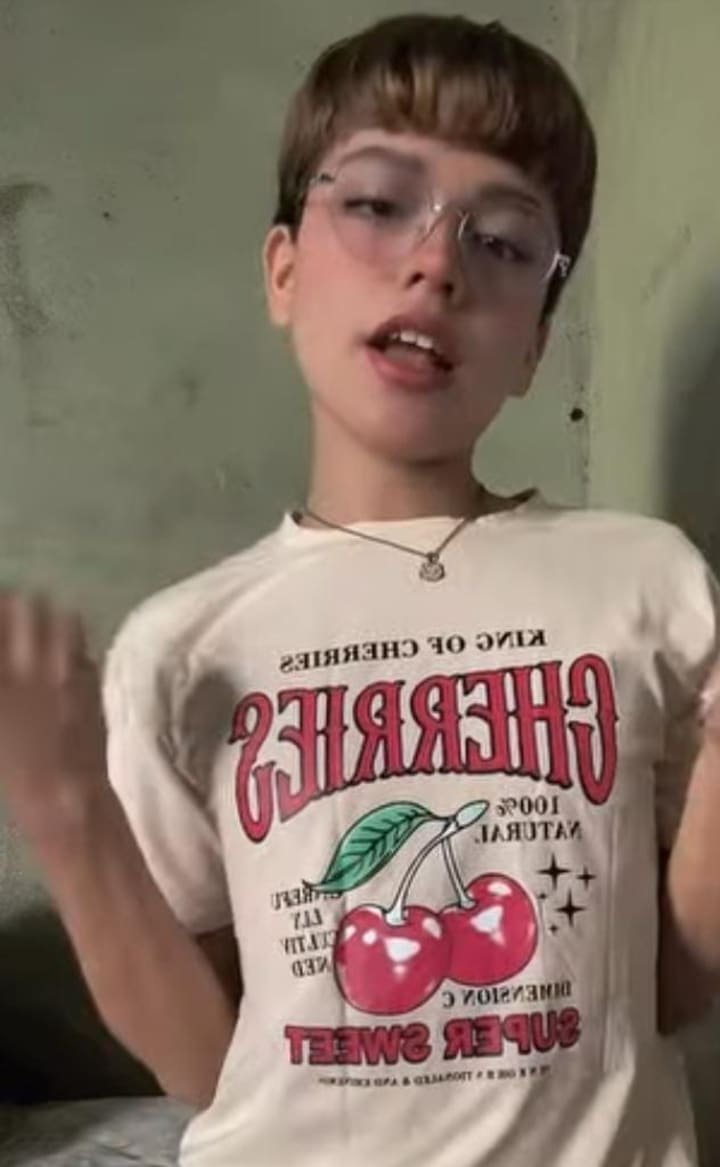
The visual meme that launched it often depicted servers in modified, equally iconic outfits: the classic Hooters orange shorts paired with thigh-high striped socks, sometimes with added elements like cat ears or chokers. The humor is inherently absurdist taking a mainstream, sometimes controversially gendered brand and subverting it with a specific, niche internet aesthetic.
The Origins: How a Meme Took Flight
Like many digital sensations, pinning down a single origin point is tricky, but the concept gained critical mass in mid-2020. Isolated jokes and artwork existed in corners of the internet prior, but a wave of coordinated fan art, parody promotional materials, and hashtag campaigns on Twitter propelled it into the mainstream.
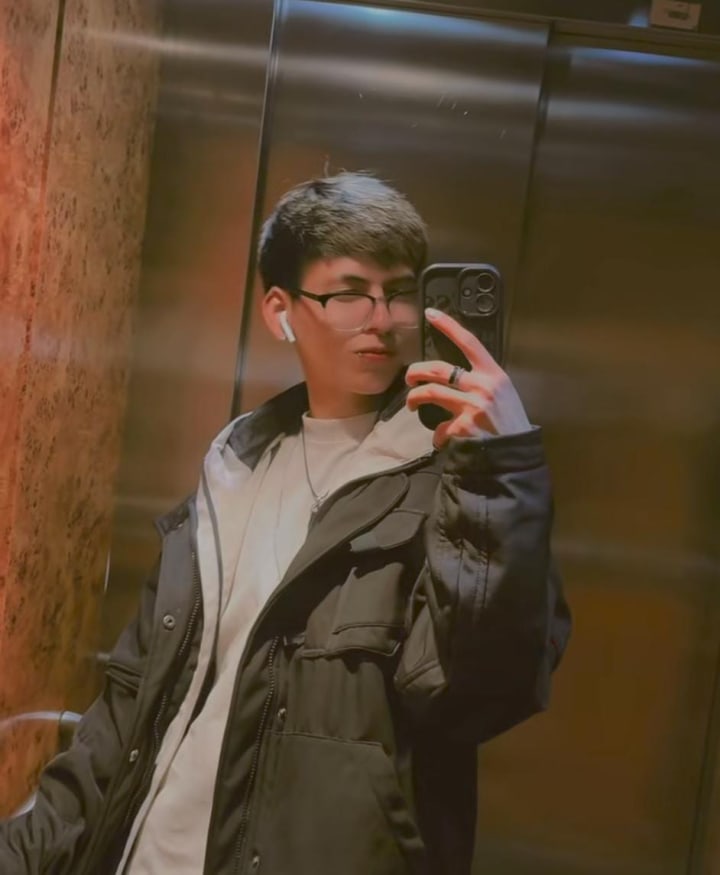
The timing was significant. During global lockdowns, internet culture accelerated. People were bored, creative, and seeking connection through shared humor. The idea was catchy, visually distinct, and perfectly tailored for the meme economy. It wasn’t just a text joke; it was a vibe that inspired endless creative iterations.
Why It Struck a Chord: More Than Just a Joke
The explosive popularity of Femboy Hooters wasn’t random. It succeeded because it operated on multiple levels:
Absurdist Humor & Nostalgia: At face value, it’s hilarious to imagine a massive chain restaurant adopting such a specific, subcultural theme. It taps into the same energy as other meme restaurants like “Taco Bell but for accountants” or “Sizzler for goths.” It’s a playful mashup of the familiar and the fantastical.
Subversion of Gendered Branding: Hooters has long been a subject of debate regarding its marketing and employment practices. Femboy Hooters, by its very premise, cleverly subverts these gendered norms. It challenges the “who” can be in that role and what “type” of attractiveness is commodified, offering a queer, gender-bending alternative that felt refreshing and rebellious to many.
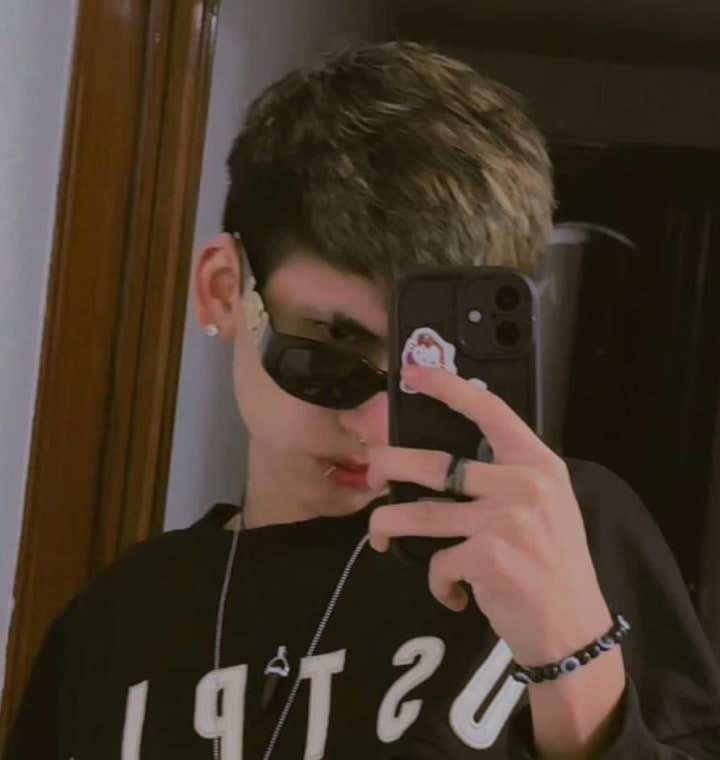
Community Wish-Fulfillment & Representation: For many in the LGBTQ+ community, especially gender non-conforming individuals, the meme represented a form of idealized, safe space. It wasn’t just about the servers; the joke implied a clientele and a world where this expression was not just accepted but celebrated and mainstreamed. It became a symbol of inclusive, joyous queer culture.
Aesthetic Synergy: The “femboy” aesthetic with its blend of cute, soft, and alt-fashion was already hugely popular on platforms like TikTok and Instagram. The meme provided a perfect, recognizable framework (the Hooters brand) to showcase this aesthetic in a new, funny context.
The Vocal Media Discourse: Analysis and Impact
As the meme saturated social media, it naturally spurred deeper analysis. On platforms like Vocal Media, writers and commentators explored its broader implications:
The Commercialization of Identity: Some discussions questioned whether the meme was a positive form of visibility or a step toward the co-opting and flattening of a subcultural identity for laughs and likes.
The Power of Collective Fiction: Femboy Hooters became a case study in world-building. It showed how online communities can collaboratively create detailed, shared fictional universes, complete with lore, menus (“chicken tendies and lemonade”), and even rival fictional chains (see: “Tomboy Outback” or “Goth IHop”).
A Barometer for Social Change: The meme’s widespread acceptance, even by many straight, cisgender internet users, signaled a shift. It indicated a growing familiarity with and openness to gender non-conformity in mainstream (online) culture, albeit in a packaged, memeified form.
The Legacy of a Digital Mirage
So, is there a real Femboy Hooters? No. The Hooters corporation never adopted the concept (unsurprisingly). It remains, and likely will remain, a purely digital creation.
However, its legacy is very real:
It inspired real-world events: Some LGBTQ+ bars and cafes hosted one-night “Femboy Hooters” themed parties, bringing the digital joke into IRL spaces for fun and community.
It cemented a meme genre: It paved the way for a whole ecosystem of similar fictional restaurant concepts, each catering to a different subculture.
It demonstrated cultural power: The meme proved that niche online communities can craft ideas captivating enough to command global attention, if only for a season.
Conclusion: A Mirror to Digital Culture
Femboy Hooters is more than a silly internet joke. It is a reflection of how modern culture gets made: fast, collaborative, layered with meaning, and born from the intersection of identity, humor, and social commentary. It represents a moment where a marginalized form of expression playfully claimed a spot in the center of the internet’s stage, wrapped in the unmistakable orange hue of an American restaurant chain.
It reminds us that in the digital age, our shared myths aren’t just about ancient heroes they’re about fictional restaurants where the servers wear thigh-highs and challenge norms, one imagined chicken wing at a time. The concept may never serve a real meal, but it certainly fed the imagination of millions, proving that sometimes, the most impactful spaces are the ones we build together in the collective daydream of the internet.
About the Creator
David Femboy
David here. Sharing my authentic femboy journey the outfits, the lessons, the life. For anyone exploring gender expression. Let’s redefine masculinity together. 💖
Keep reading
More stories from David Femboy and writers in Pride and other communities.
What is a fem boy
In today’s evolving conversations around gender and identity, the term "femboy" has gained visibility, sparking both curiosity and misunderstanding. Whether you’ve encountered the term online, in social media communities, or in pop culture, you might wonder: what exactly is a femboy? This article explores the meaning, origins, and cultural significance of the femboy identity, emphasizing respect, nuance, and the celebration of diverse self-expression.
By David Femboy2 months ago in Pride
Everybody is talking about Jamie
everybody’s talking about Jamie is a wonderful movie. It’s a boy who had his true sexuality and decides to dress and drag when he went to the prom. It’s a really great musical comedy as well. It also run on London’s West End, but I don’t know that much about if it had a run on Broadway myself.Jamie is a British school boy who dresses and drag and he wants to dress and dragged for the first time at prom. It’s a fun and lighthearted movie too and in the end, Jamie does succeed and gets to defy all the odds and dressing at prom.
By Revista Miko3 days ago in Pride


Comments
There are no comments for this story
Be the first to respond and start the conversation.