
What is a feminine man called
Embracing Authenticity: What Is a Feminine Man Called?

In today’s evolving cultural landscape, gender expression is more fluid and diverse than ever before. One question that often arises is: what is a feminine man called? The answer isn’t as simple as a single label, but exploring this topic opens a meaningful conversation about identity, language, and breaking free from restrictive stereotypes.
Understanding Feminine Men
A feminine man is someone who identifies as male but expresses himself in ways traditionally associated with femininity. This can include his style, mannerisms, interests, communication style, or emotional expression. It’s crucial to separate this from sexual orientation or gender identity a feminine man may be straight, gay, bisexual, or any other orientation, and he still identifies as a man.
Common Terms and Their Meanings
Language around gender expression is personal and constantly evolving. Here are some terms often associated with or used to describe feminine men:
1. Femboy
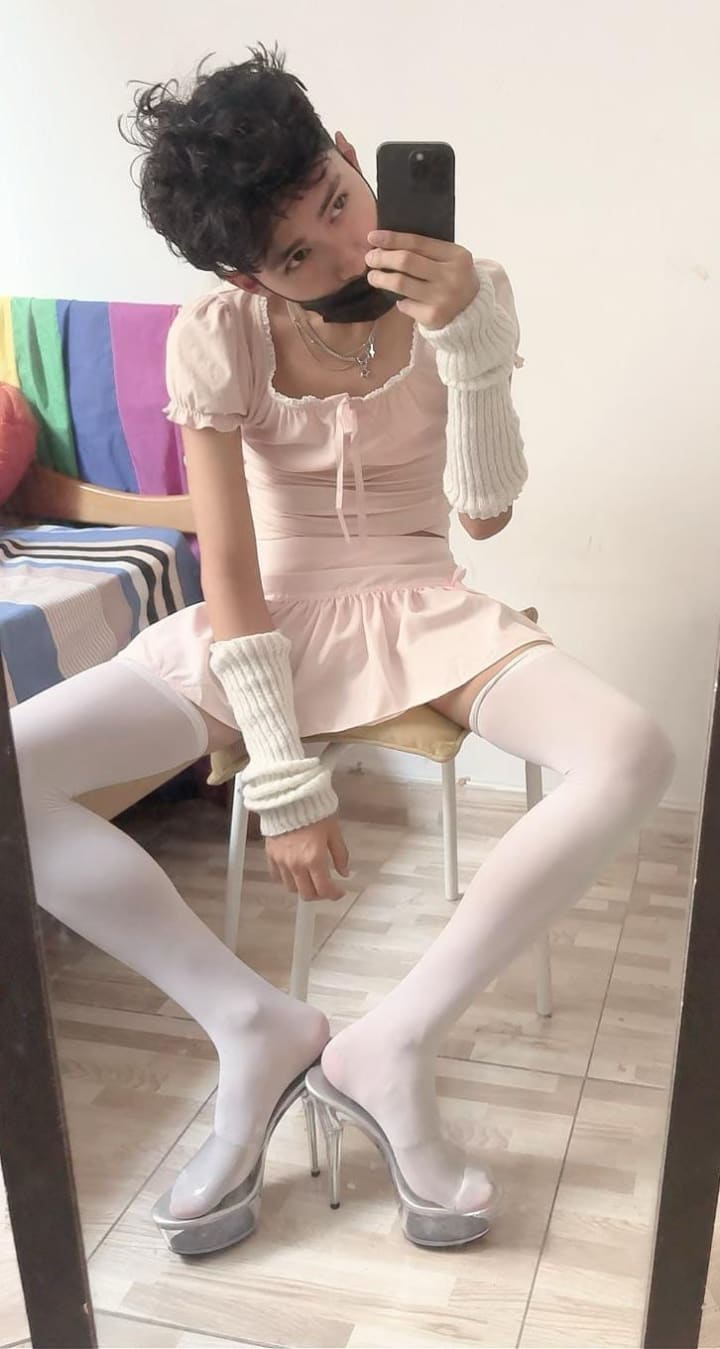
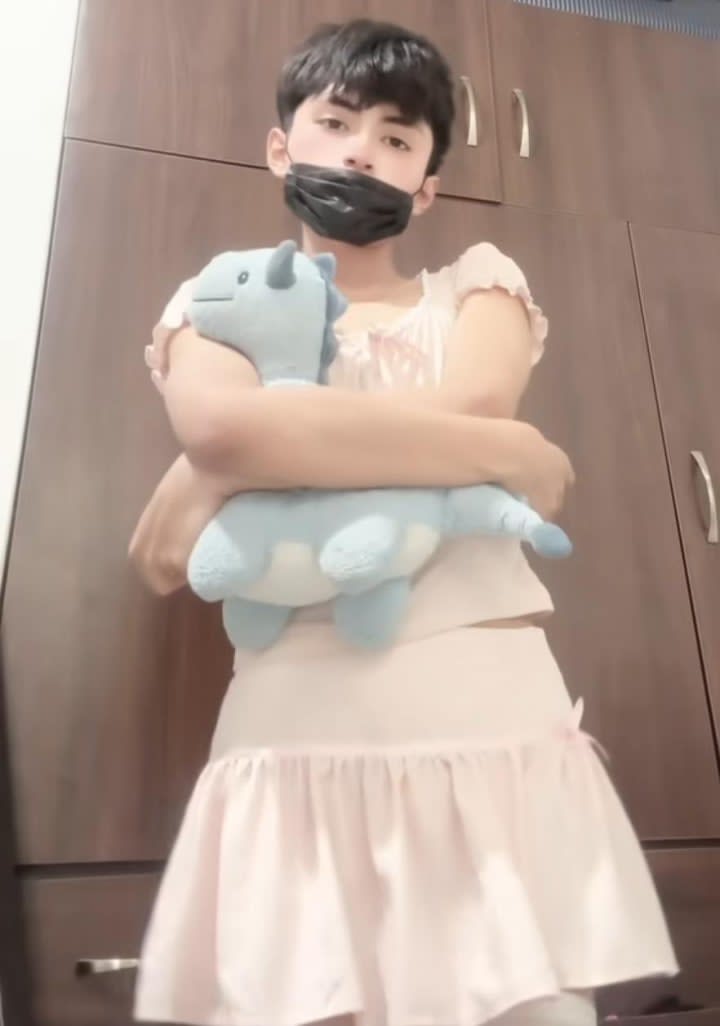
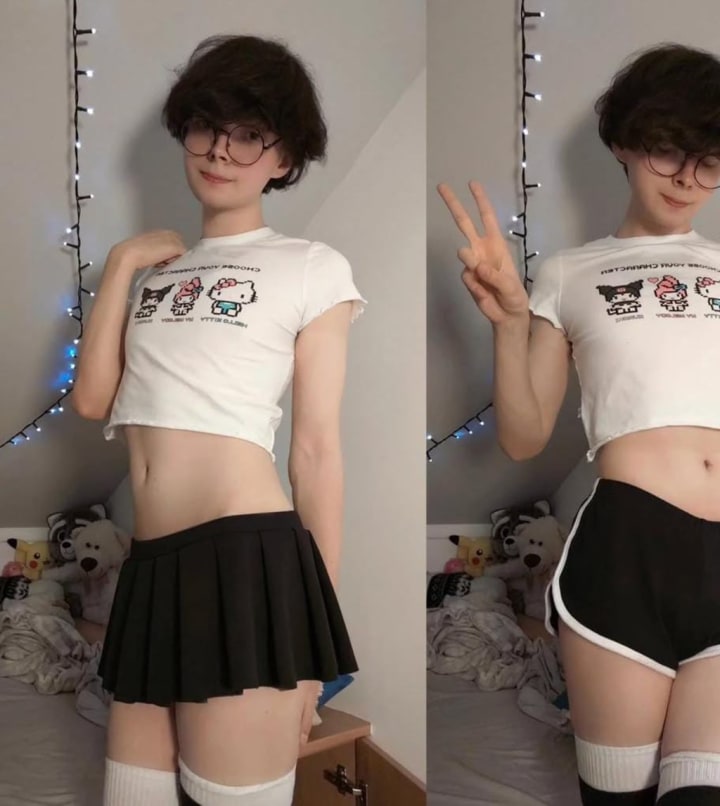
Perhaps the most recognized modern term, femboy (a portmanteau of "feminine boy") describes a male who presents with traditionally feminine traits, often in appearance and style. It’s a popular, self-chosen identity in many online and LGBTQ+ communities, signaling a deliberate blending of gender expressions.
2. Gender Non-Conforming (GNC)
This is a broader, more inclusive term. A gender non-conforming person doesn’t adhere to the societal expectations of their assigned gender. A feminine man falls under this umbrella, as he is non-conforming to traditional masculine norms.
3. Metrosexual
An older term from the early 2000s, metrosexual referred to a heterosexual man with a strong interest in grooming, fashion, and aesthetics traits often unfairly gendered as feminine. While somewhat dated, it highlighted the expansion of acceptable male self-care.
4. Androgynous
While androgyny refers to a blend of both masculine and feminine characteristics that makes one's gender ambiguous, some feminine men may also identify with or be described as having an androgynous presentation.
5. Simply: A Man
The most important label of all. A man who is feminine is, at his core, a man. His expression doesn’t invalidate his identity. Sometimes, the most powerful statement is rejecting the need for a special label altogether.
The Cultural and Historical Context
Feminine men are not a new phenomenon. History and culture are rich with examples:
Two-Spirit people in many Indigenous North American cultures held sacred, non-binary gender roles.
Figures like Oscar Wilde in the 19th century challenged Victorian masculinity with his wit and aestheticism.
David Bowie and Prince shattered musical and gender norms in the 20th century, embracing flamboyance and fluidity.
What’s changed is not their existence, but the vocabulary and social space to discuss it openly.
Why Labels Matter (And When They Don’t)
Labels can be empowering. They provide community, visibility, and a shorthand for self-understanding. For someone struggling with their expression, finding a term like femboy or GNC can be validating it tells them they are not alone.
However, labels can also become boxes. The pressure to find the "perfect" term or to police others' use of language can be exhausting. The ultimate goal is self-definition. The best term is the one an individual chooses for themselves, if they choose any at all.
Navigating Social Perception and Challenges
Feminine men often face unique challenges, including:
Toxic Pushback: They may encounter homophobia (regardless of their orientation) or be told they are "not real men."
Stereotyping: Being presumed to be gay or weak.
Fetishization: Especially in online spaces, terms like "femboy" can be sexualized, stripping away individual humanity.
Despite this, there is a growing wave of acceptance. Public figures like Jonathan Van Ness, Billy Porter, and Harry Styles have used their platforms to showcase feminine expression proudly, sparking mainstream conversation and inspiring countless others.
How to Be an Ally
Listen and Mirror Language: Use the terms someone uses for themselves. If you don’t know, respectful questions or using neutral language is key.
Challenge Stereotypes: Speak up against jokes or comments that enforce rigid gender roles.

Normalize Diversity: Celebrate and consume media that shows diverse masculinities.
Focus on Character: Value a person’s kindness, integrity, and talents over their conformity to gender norms.
The Heart of the Matter: Redefining Strength
The question "what is a feminine man called?" leads us to a deeper truth: our vocabulary for manhood is expanding. Traits like empathy, vulnerability, artistic sensitivity, and nurturing often coded as feminine are human strengths. A man who embodies these isn’t less of a man; he is a more complete human being.
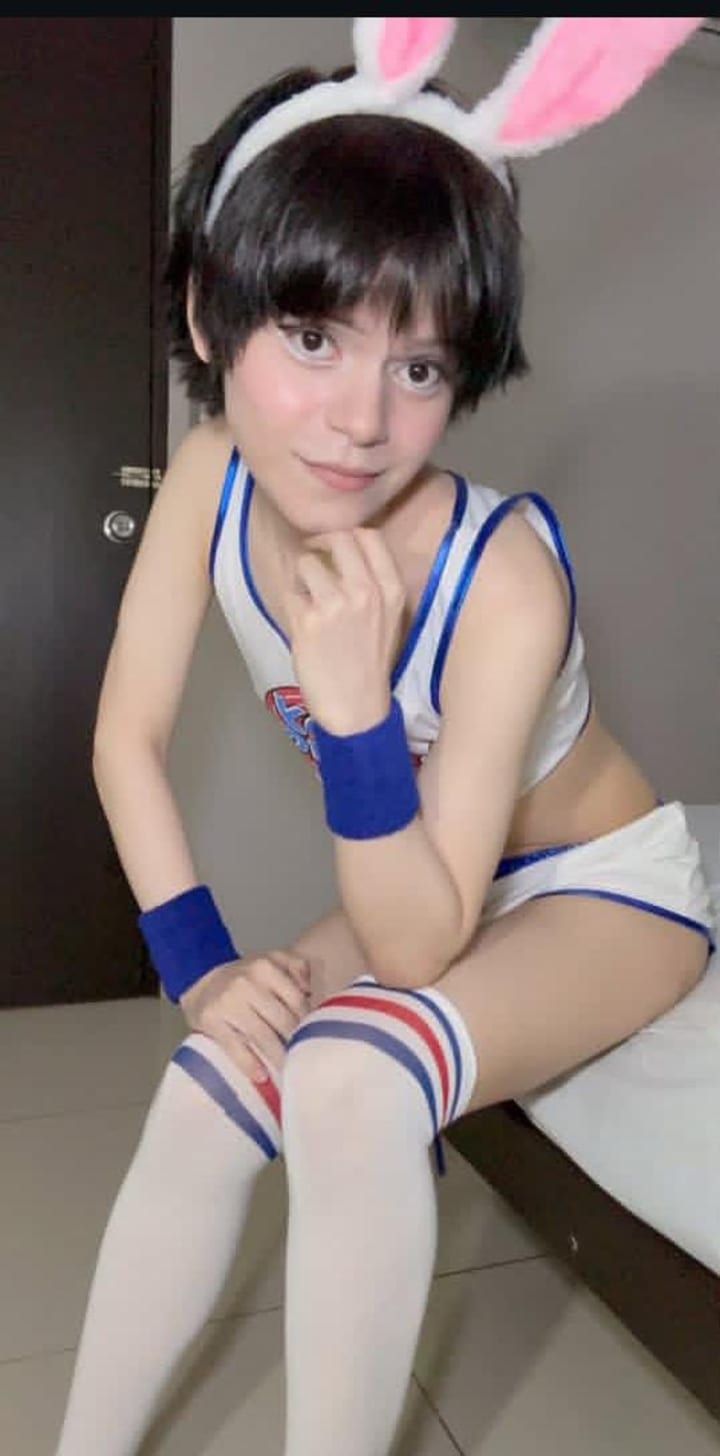
The future of gender is not about erasing masculinity or femininity, but about decoupling them from biological sex and allowing every person to craft an authentic identity from the full spectrum of human expression.
Conclusion: Beyond the Label
So, what is a feminine man called? He might call himself a femboy, gender non-conforming, or just a man who likes nail polish and poetry. The label is his to choose.
The real shift happening in our society is moving from a place of classification to one of celebration. It’s about appreciating the courage it takes to live authentically in a world still clinging to binaries. The most important thing we can call a feminine man or any person is respected, valued, and free.
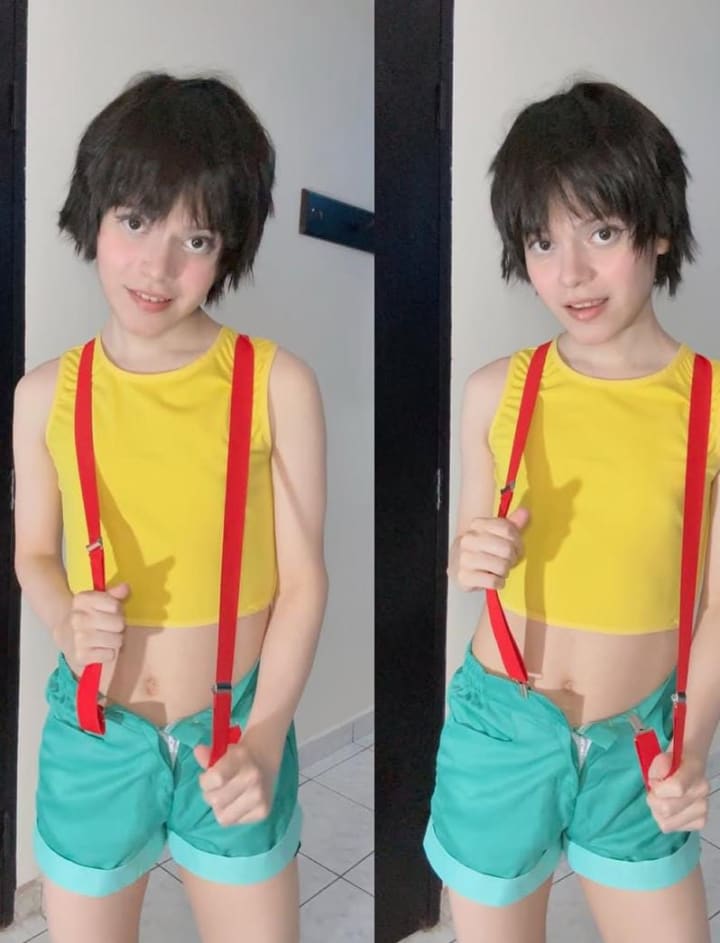
Let’s keep the conversation going. Have you experienced or witnessed the evolving landscape of gender expression? Share your thoughts in the comments below let’s build a more understanding world, one conversation at a time.
About the Creator
David Femboy
David here. Sharing my authentic femboy journey the outfits, the lessons, the life. For anyone exploring gender expression. Let’s redefine masculinity together. 💖
Keep reading
More stories from David Femboy and writers in Pride and other communities.
Is kashimo a femboy
In the rich, battle-driven world of Jujutsu Kaisen, few characters have sparked as much intrigue and debate as Hajime Kashimo. The legendary sorcerer from the Heian era, introduced during the brutal Culling Game arc, is a whirlwind of power, aggression, and... unexpected aesthetics. This has led to a burning question within the anime community: Is Kashimo a femboy?
By David Femboy2 months ago in Pride
Bobby Trendy
Bobby Trendy is a fabulously gay interior designer to the homes of the stars. He was an interior designer who had designed the home of Anna Nicole Smith and reached fame by being on her reality Tv show. Anna and Bobby became true friends and when she had died Bobby had spoken highly of her. I love his fashion and style which is basically the same thing. Bobby Trendy is truly one of a kind. He's flash and he's so out and loud and gay and a symbol of gay pride for being proud to be who you are and not giving a damn about what others think.
By Revista Miko3 days ago in Pride


Comments
There are no comments for this story
Be the first to respond and start the conversation.